

_20260709125507_theedgemalaysia_1.jpg&w=1920&q=75)
KUALA LUMPUR (Oct 15): The government plans to introduce a “user-pays” electricity pricing system for large consumers, including data centres and energy-intensive industries, to shield households from rising electricity costs.
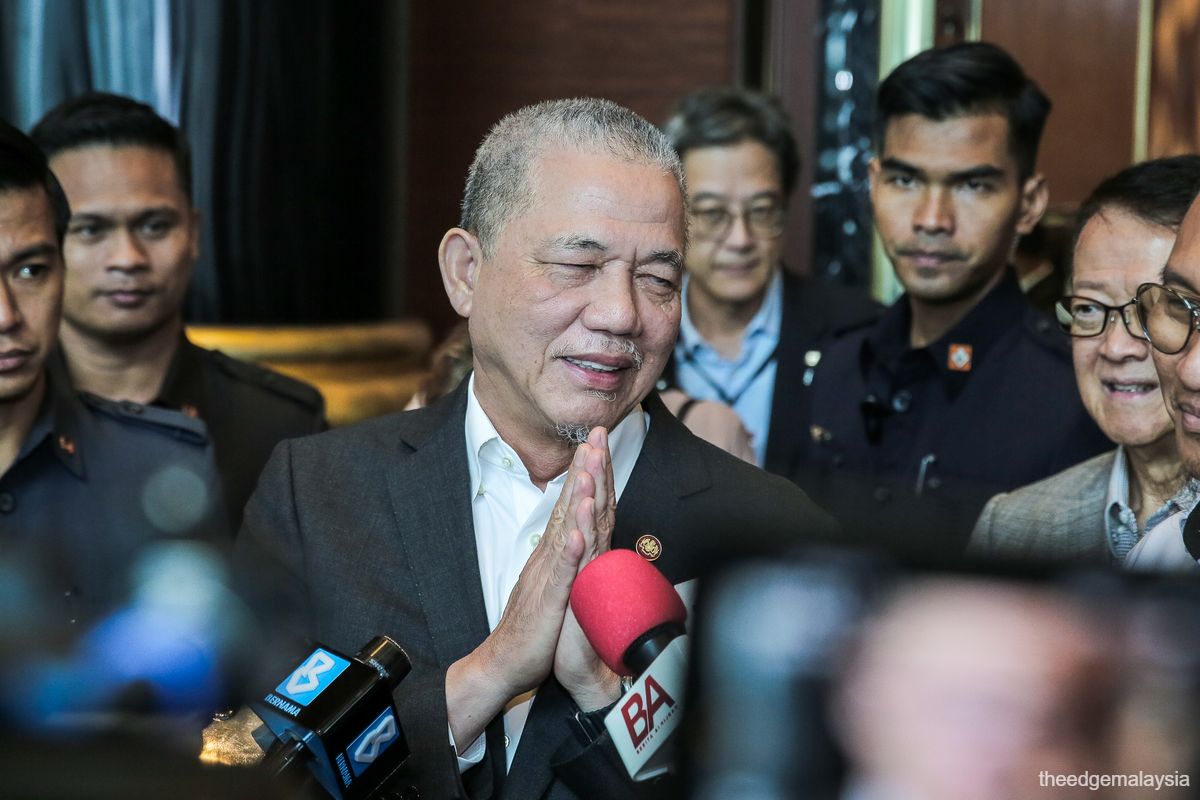
Deputy Prime Minister and Energy Transition and Water Transformation Minister Datuk Seri Fadillah Yusof told the Dewan Rakyat, during ministerial question time on Thursday, that the move aims to ensure businesses with high electricity consumption bear a fairer share of supply costs. However, details on rates, consumption thresholds and implementation timelines have yet to be announced.
Fadillah was responding to Shah Alam Member of Parliament Azli Yusof (Pakatan Harapan-Amanah), who asked about rising household electricity bills and measures to keep tariffs affordable while ensuring the sustainability of the energy industry.
His remarks come as the government assesses how growing data-centre demand for electricity affects power infrastructure and other consumers.
Domestic and non-domestic users of electricity already fall under different tariff categories, with non-domestic classifications differentiated by supply voltage, according to the existing energy framework by the Energy Commission of Malaysia. The framework also separates energy, capacity, network and retail charges. Fadillah did not explain how the proposed approach would alter these existing arrangements.
Azli asked whether electricity bill relief for households using up to 800 kWh monthly would be extended beyond Dec 31. Fadillah reaffirmed the government’s commitment to affordable and reliable electricity but did not confirm an extension.
The measure, effective for consumption from September through December 2026, exempts eligible households from the automatic fuel adjustment (AFA) surcharge, retail charges and service tax.
Explaining the increase in some household bills, Fadillah pointed to higher global fuel prices, prolonged hot weather that had increased air-conditioning use, and reduced output from some power plants. Lower hydropower generation and scheduled shutdowns at coal-fired plants had also increased reliance on imported liquefied natural gas, raising generation costs, he said.
Under the AFA mechanism, fluctuations in generation costs are passed through via monthly tariff adjustments. Consumers receive rebates when actual fuel and generation costs fall below the baseline tariff assumptions, whereas higher expenditures trigger surcharges, subject to applicable regulatory exemptions.
Fadillah said the government is also encouraging consumers to manage electricity demand more efficiently. He urged the utilisation of a “time-of-use tariff” mechanism where participating consumers pay different energy rates during peak and off-peak periods.
Peak hours run from 2pm to 10pm on weekdays, while the remaining weekday hours and weekends are off-peak. He encouraged eligible households to shift activities such as electric-vehicle charging to cheaper periods.
For more Parliament stories, click here.