

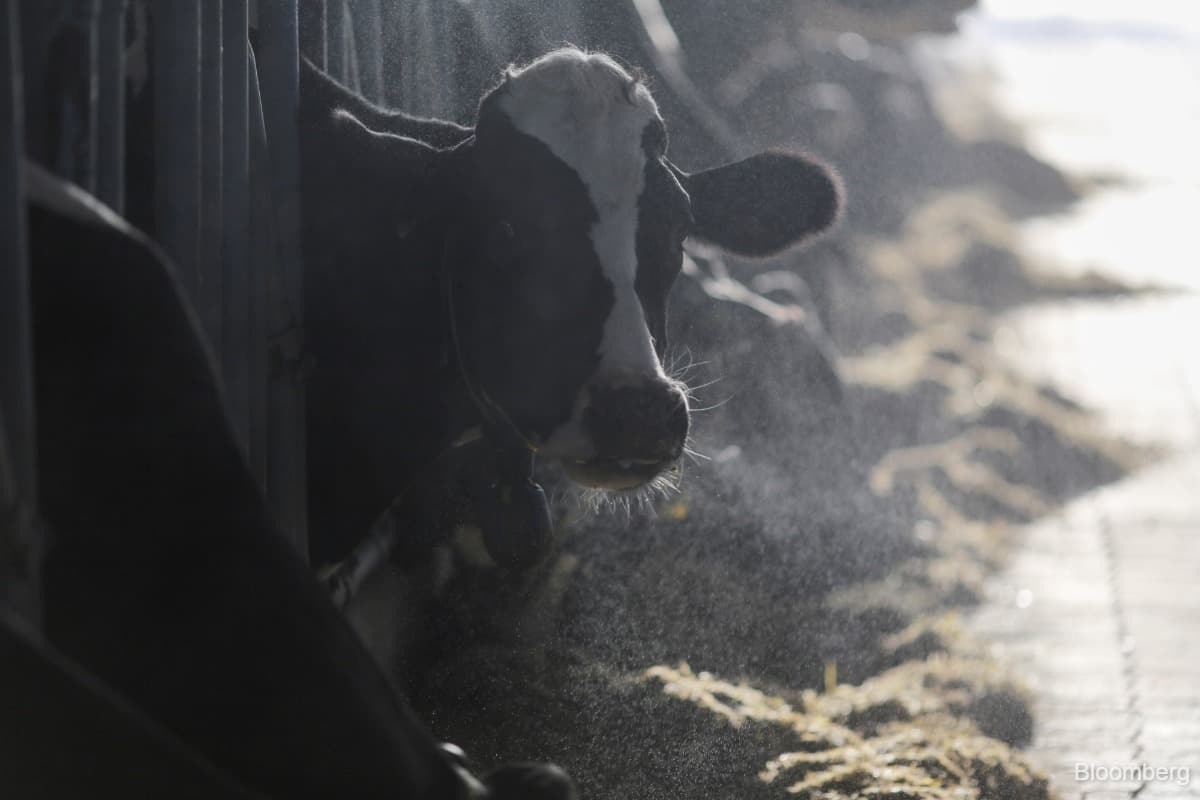
(Oct 13): Intercontinental Exchange Inc (ICE), owner of the New York Stock Exchange, is planning to offer contracts for betting on future cattle and hog prices, competing with longtime incumbent CME Group Inc as it moves its systems to the cloud.
The first cattle and hogs futures contracts will be listed before the end of the year, targeting a Dec 7 launch, according to ICE executives. The exchange operator will offer physically settled cattle futures, as well as three cash-settled contracts for cattle and hog prices, all pending regulatory review.
CME, the largest US futures exchange, is moving its matching engine for certain instruments to a new Google Cloud data centre. In response, ICE is looking to shake up the industry by providing another option to hedge.
“We received significant inbound customer demand from those seeking credible alternatives to what has historically been a singular choice for cattle,” Trabue Bland, ICE’s senior vice president of futures markets, said in a statement.
The debate over CME’s move to the cloud has intensified among trading firms and the agriculture community since the exchange announced its plans for the new system, which was slated to be located in Dallas, according to people familiar with the matter who asked not to be identified discussing a private matter. Some firms have expressed concern that the shift might increase costs and slow trading speeds, two of the people said.
Chicago-based CME, which has offered cattle and hog trading since the 1960s, has previously said that moving its tech infrastructure to the cloud can help it control costs, create real-time analytical capabilities and increase efficiencies. Outgoing chief executive officer Terry Duffy has said he would not put products in the cloud unless they are “better than what I have today.”
CME said on Monday in a statement that a previously disclosed move of its livestock markets to Dallas won’t have to go along as planned, since a newly built data centre in Aurora, Illinois, is coming online faster than expected.
Dallas will still have a disaster recovery facility, but the interim move of the primary market will no longer be required, a company representative said.
Beef prices
CME has contracts for both younger feeder animals and mature live cattle that are ready for processing. Those futures prices have skyrocketed in recent years as the US’s herd shrank to its smallest size in over half a century, pressuring margins for meat processors and some ranchers.
A measure of volatility for the most-active live cattle contract peaked in late 2025 and has remained elevated since, prompting some traders to exit the market. Aggregate open interest, meanwhile, dropped in August to its lowest levels in over two years, and has only modestly recovered since.
Managing beef prices has been a key focus for restaurants and retailers, as the protein remains an outsize driver of food inflation. Stores have trimmed serving sizes, turned to cheaper cuts or promoted other proteins, while the Trump administration has been trying to boost foreign supplies in an effort to tamp down prices.
Exchanges in the US and abroad are racing to list products that give investors new ways to hedge risks. CME has listed new instruments for protecting against price movements on livestock items such as beef. ICE is sending out a notice to members this week to announce its new, alternative contracts, which will be listed under the codes COW, MOO and SOW.
“There are moments in time in the evolution of markets where choice becomes a compelling motivation, and we believe this is an inflection point for the industry as we work to launch a cattle futures market,” Bland said.
Uploaded by Felyx Teoh