

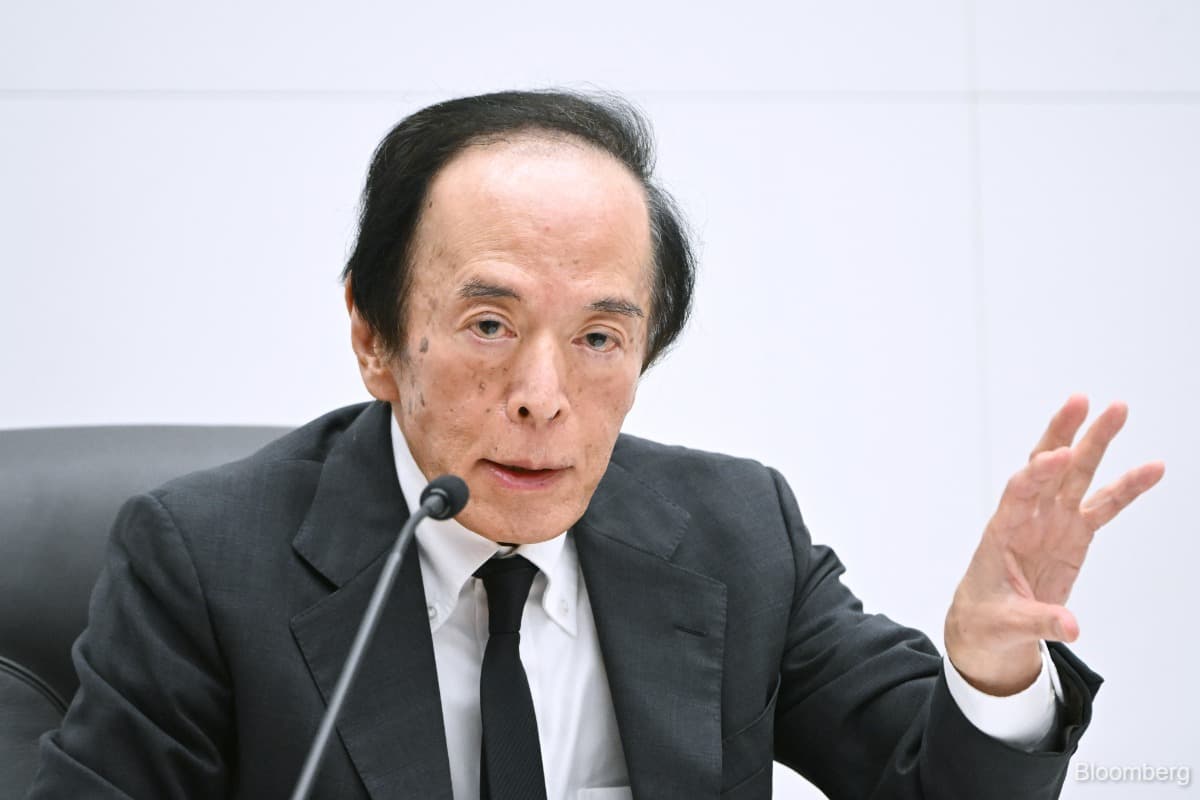
(Oct 13): Bank of Japan (BOJ) officials are leaning against a rare back-to-back interest rate increase this month while still eyeing the possibility of another move as soon as December, according to people familiar with the matter.
The BOJ officials see little need for consecutive rate hikes in the absence of signs that upside inflation risks will increase abruptly, the people said. The central bank will instead carefully examine economic data to see if another hike is warranted as early as the December gathering, the people said.
The final policy decision at the Oct 30 meeting could still change until the last minute, the people said.
Governor Kazuo Ueda’s board lifted borrowing costs to 1.25% last month as it looked to keep on top of upside inflation risks. The move also came amid a wave of pressure from Treasury Secretary Scott Bessent to keep normalising policy and help strengthen the yen.
The yen initially weakened after this report before regaining ground to trade around 157.08 per dollar early Tuesday evening in Tokyo.
The September rate increase was the second in three months, the fastest pace of hikes since 1990. Ueda said that move was warranted as the BOJ shifted to a new policy phase with more focus on upside price risks. Still, the BOJ hasn’t pushed up rates in consecutive months since 1980, an indication of a deeply held preference for monitoring the impact of policy moves before acting again.
Pricing in the overnight swaps market shows that traders are pricing in a roughly 10% probability of a hike this month, with the chances rising to 88% for a move by December. About a third of economists polled last month forecast a move in December, with more than half predicting the BOJ would wait until January.
Japan’s economy and inflation have been developing in line with the BOJ’s outlook more or less, the people said. The price trend is expected to be consistent with the 2% target sometime in the next 18 months.
While underlying inflation can finally be assessed as being around 2%, more than a decade after the target was set in 2013, that doesn’t mean the bank’s mission is accomplished. The goal is not merely to hit 2%, but to make inflation stabilise around that level, the people said.
Ueda touched on that point Tuesday, saying it was vital to stabilise the price trend around 2%, during comments he made in parliament.
With underlying inflation around the bank’s target, the BOJ will keep looking for the right timing for another rate increase while assessing the impact of its hikes so far, the people said.
The bank will release a new quarterly economic outlook along with its policy statement. Officials will weigh the impact of elevated oil prices and whether the bank needs to factor in a pending temporary cut in sales tax on food into their forecasts, according to the people.
For the time being, inflationary pressure from input costs has cooled a touch, according to producer price data for September released earlier in the day. The slowing of gains suggests no urgent need to stop prices accelerating out of control. Still, at 6.8% they support the BOJ pushing up rates in due course.
The BOJ has pledged to closely monitor the development in the Middle East, AI-related demand and foreign exchange rates to decide the timing of a rate hike.
Market bets for a BOJ October rate hike reached around 40% at one point late last month. But with investors no longer expecting a rate hike by the Federal Reserve (Fed) this month after clear signals from Fed officials, those expectations weakened. Still, US CPI data this week will be a key focus among traders.
Oil prices have risen about 15% since the BOJ compiled the latest quarterly economic projection late July, fanning inflationary pressures for the nation heavily reliant on imports of natural resources.
Japan’s currency is still weaker compared with the 155.87 level it marked hours before the BOJ raised borrowing costs by a quarter-point on Sept 18. Japan’s Finance Ministry and US Treasury Department conducted a highly unusual joint intervention to prop up the yen at the end of July. Bessent has become even more vocal about BOJ policy since then.
Uploaded by Chng Shear Lane