

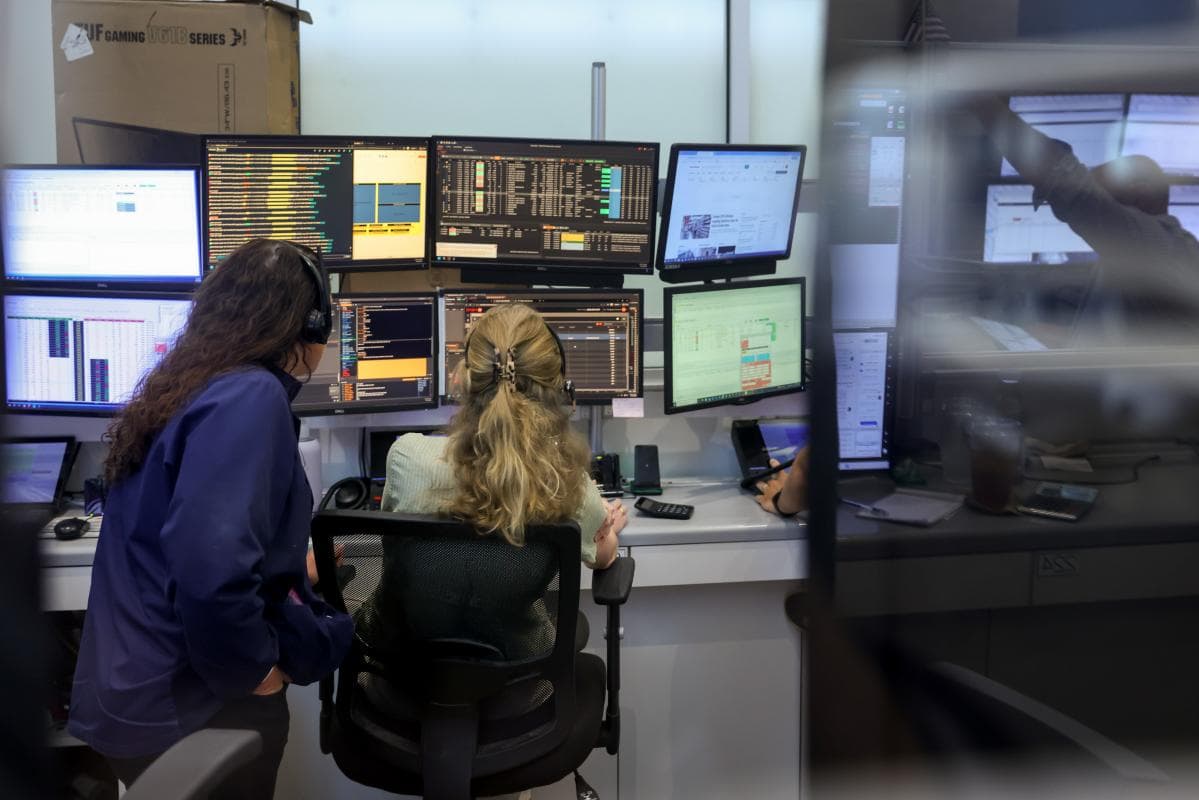
(Oct 13) : Big US bank stocks are teetering in correction territory as the group kicks off earnings Tuesday, heightening the focus on executives’ outlook for the American consumer with long-term borrowing costs the highest in decades.
Wall Street’s largest banks are expected to unveil a quarterly stock-trading haul of nearly US$19 billion, according to analyst estimates compiled by Bloomberg. Meanwhile, lending is seen increasing year-over-year and credit quality is likely to hold steady, analysts expect.
Even so, the benchmark KBW Bank Index has dropped around 12% since a mid-August peak, exceeding the 10% threshold for a technical correction. The slump has coincided with a surge in Treasury yields and the Federal Reserve’s first interest-rate hike in three years. The bank gauge is coming off its worst quarter since early 2023, when a prior episode of rising yields helped trigger a regional bank crisis that hit shares.
Banks, which need to balance how much they pay out for deposits with what they earn on loans, have been stung by the bond volatility, and they’re also under pressure as rates on credit-card, auto and home loans are climbing, says Matt Miskin at Manulife John Hancock Investments.
Lenders can benefit as “higher yields can lead to better revenues, but they can also lead to a tipping point where consumers just can’t pay these kinds of loans,” said Miskin, a strategist.
Reports from the banking giants start rolling in before the market opens on Tuesday, with announcements from Citigroup Inc., Goldman Sachs Group Inc., JPMorgan Chase & Co. and Wells Fargo & Co. On Wednesday, Bank of America Corp. and Morgan Stanley report.
Last month, early reporter Jefferies Financial Group Inc. said its investment bank and equity-trading desk had a record quarter, though other metrics were mixed.
Options traders were leaning bullish on JPMorgan, the largest US bank, before the results, trading at the end of last week showed. Demand for upside calls that pay out on a 10% move outweighed the appetite for insurance against a 10% drop. Plus, there were more calls outstanding than puts, a potentially bullish signal.
So far, the economy is proving resilient in the face of higher borrowing costs and elevated energy prices, which have fanned inflation concerns. Investors in bank shares have other worries, such as risks posed by artificial-intelligence agents and the potential fallout from the November midterm elections, with polls showing Republicans losing ground amid voter anger over the economy and the war in Iran.
Republicans tend to favor lighter oversight of the financial sector, leading JPMorgan analysts to predict that a surprise sweep by the party could favor lenders such as Bank of America, Citigroup and Wells Fargo.
Cheerier Take
Wells Fargo’s Mike Mayo is among the analysts with a more bullish take on bank shares. He said last month that the elections can “put a dent in de-regulation but should not derail it.” He was also optimistic the AI “scare trade” would reverse when banks release results as “trust at banks is a moat for deposits.”
And at Morgan Stanley, analyst Manan Gosalia called the selloff lately “an attractive entry point,” and recommended investors use it to position for a stronger 2027.
The analyst pointed to AI-related investing and an overall sturdy economy as supporting bank shares. As for rising interest rates, while that does raise banks’ cost of funding, “at the same time revenue should also move higher,” Gosalia said.
As for the coming days, CIBC Capital Markets strategist Christopher Harvey anticipates executives will express more caution about consumer health and the economy than they did a few months ago.
Nonetheless, the sector may be headed for a “relief rally,” he wrote in a Monday note. Banks have typically bounced after earnings when they’ve been lagging going into the announcements, he said.
And if that does happen, “we would use the pop as an opportunity to reduce exposure” given the macro headwinds the firms are facing. He prefers communication services and utilities sectors over financial stocks.
uploaded by Isabelle Francis