

KUALA LUMPUR (Oct 9): Malaysia's top bankers say Budget 2027 is taking the right steps to strengthen economic growth and the investment ecosystem while balancing the needs of local businesses and people’s livelihoods.
Here are their key reactions after Prime Minister Datuk Seri Anwar Ibrahim tabled the government's proposed spending bill for next year in Parliament on Friday:
Datuk Seri Khairussaleh Ramli
President and group CEO, Malayan Banking Bhd
Chairman of the Association of Banks in Malaysia

Budget 2027 reflects Malaysia’s commitment towards inclusive growth balanced with continued fiscal discipline amid geopolitical uncertainty, evolving trade dynamics and cost pressures. It aptly captures the nation’s ambition to pursue higher economic aspirations while ensuring that progress remains grounded in the needs of the rakyat.
The emphasis on equitable state development, targeted tax rationalisation for fairer wealth distribution, affordable homeownership, and empowering SMEs, entrepreneurs and underserved communities will help broaden economic participation. Investments in productivity, technical and vocational education and training (TVET), youth development, skills and innovation will further equip Malaysians to benefit from emerging opportunities.
The banking industry plays a pivotal role in advancing these priorities by strengthening investor confidence, mobilising capital and facilitating economic activities. Greater access to financing, including microfinancing for SMEs and entrepreneurs, will help businesses grow and contribute more meaningfully to the economy.
The industry must also continue embracing digital innovation, enhancing financial literacy and safeguarding consumers against financial fraud through initiatives such as the National Anti-Scam Campaign. These collective efforts will contribute towards Malaysia’s economic transformation and its ambition to become a leading regional investment hub.
Tan Sri Tay Ah Lek
Managing director and CEO, Public Bank Bhd
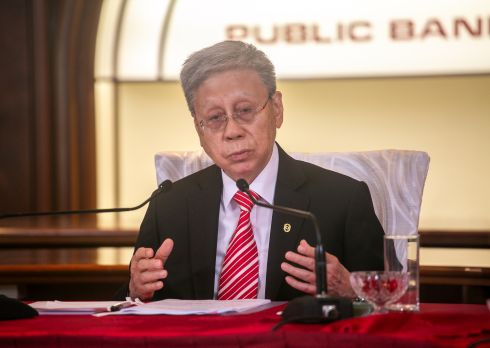
Budget 2027 is to be lauded for its balanced approach and deeper impact on society and the economy. This inclusive, forward-looking and fiscally responsible annual plan solidifies the government’s focus on sustaining the growth momentum of the country, while uplifting the living standards of the rakyat.
A higher allocation of RM16 billion towards cost-of-living relief and targeted cash aid through Sumbangan Tunai Rahmah and Sumbangan Asas Rahmah reflects a strong resolve to ease pressures on lower- and middle-income households. Continued emphasis on home ownership, job creation and income growth supports domestic demand and is a long-term positive for the broader economy and banking industry.
On supporting businesses today and strengthening for tomorrow, workforce upskilling and reskilling continues to be prioritised, in addition to a focused drive on automation and digitalisation. RM6.6 billion in micro-financing assistance and RM32 billion in government-backed financing guarantees for small and medium enterprises, amongst others, will widen access to credit for viable businesses.
The Public Bank Group stands ready to facilitate the administration and channelling of these funds through our nationwide network, where needed.
Novan Amirudin
Group CEO, CIMB Group Holdings Bhd

Malaysia’s Madani journey reflects a deliberate shift towards balancing short-term support with long-term sustainability, anchored on the principle that fiscal responsibility and common prosperity must go hand in hand. The reform agenda seeks both to raise the ceiling and raise the floor: raising the ceiling by strengthening Malaysia’s competitiveness, attracting quality investments, fostering innovation and accelerating economic upgrading; and raising the floor by ensuring that growth translates into better opportunities, stronger social protection and improved living standards for all Malaysians.
Fiscal consolidation has been achieved through targeted subsidy rationalisation, a broader and more progressive revenue base, better governance and reduced leakages, while cushioning vulnerable households through strengthened social assistance. At the same time, reforms increasingly focus on retirement adequacy, social protection, skills development, productivity enhancement and economic upgrading, reflecting a broader ambition to build an economy that delivers not just growth, but a living wage, greater economic mobility and a dignified standard of living for every rakyat.
For the banking sector, these reforms create a more stable macroeconomic environment, strengthen investor confidence and support Malaysia’s attractiveness as an investment destination.
They also create opportunities to mobilise capital towards priority areas such as industrial upgrading, infrastructure, energy transition, innovation and financial inclusion. In this way, banks become not only beneficiaries of reform, but active partners in advancing sustainable growth, economic resilience and common prosperity.
Datuk Ng Wei Wei
CEO, UOB (Malaysia) Bhd

Budget 2027 reflects a pragmatic balance between supporting growth, competitiveness and sustainability with fiscal responsibility. We are encouraged by the government's continued commitment to strengthening Malaysia's investment ecosystem like in infrastructure, digitalisation, high-value industries and energy transition, which will enhance the country's long-term competitiveness and attractiveness to investors.
The Budget also provides timely support for the business community through targeted tax measures, investment facilitation, improved access to financing, SME development and the expansion of strategic cross-border economic corridors.
The measures aimed at easing cost-of-living pressures, strengthening human capital development and enhancing social protection are positive steps towards supporting households and reinforcing the economy's long-term resilience.
As One Bank For Asean, we look forward to supporting these initiatives by connecting businesses to regional opportunities, facilitating cross-border investments and helping attract quality foreign direct investment into Malaysia.
Tan Chor Sen
CEO, OCBC Bank (Malaysia) Bhd
_Bhd_20261009214030_f0h0x7.jpg)
Budget 2027 reflects the government’s commitment to its medium-term economic objectives, while promoting inclusive growth and ensuring that the benefits of development are shared broadly across businesses, communities and households. We are encouraged by the budget’s focus on attracting quality investments and accelerating the growth of higher-value industries. Prioritising sectors such as semiconductors, advanced manufacturing, the digital economy and new energy will strengthen Malaysia’s economic position and support the country’s next phase of growth.
From the semiconductor and advanced manufacturing ecosystems in Penang and Kulim, to Tanjong Malim’s emergence as a regional automotive hub, these developments can also help local companies integrate into more sophisticated supply chains and move up the value chain. The RM25 billion in domestic investment being mobilised by GLICs under GEAR-uP further supports this direction.
Additionally, enhancements to the Global Services Hub incentive will reinforce Malaysia’s attractiveness as an investment destination. In today’s disruptive global economy, Malaysia is well placed to capture a greater share of foreign direct investment, and we commend the government for moving decisively to capitalise on this opportunity.
Datuk Omar Siddiq
CEO, HSBC Bank Malaysia Bhd
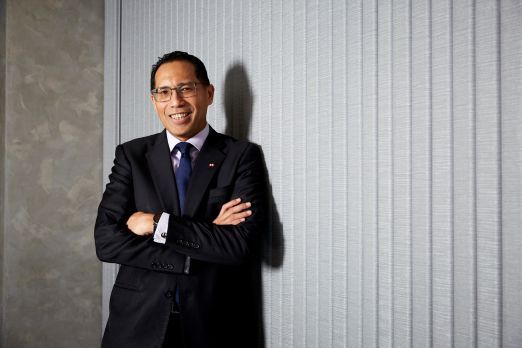
We welcome Budget 2027 and its balanced approach in providing near-term cost-of-living support while maintaining Malaysia’s fiscal consolidation commitments. In an uncertain environment shaped by geopolitical tensions, elevated energy costs and ongoing supply-chain disruption, measures to ease cost pressures should support stability and confidence.
Expanded cash assistance, continued energy subsidies, tax relief for middle-income households and higher minimum wages should provide additional support to consumers. The projected reduction in the fiscal deficit from 3.6% of GDP in 2026 to 3.3% in 2027, alongside expected GDP growth of 4.2%–5.2%, broadly consistent with HSBC’s 5% forecast, provides a solid foundation for continued economic stability and confidence.
We recognise and support the focus on strengthening Malaysia’s competitiveness through improved infrastructure and connectivity, more efficient business processes, reliable and affordable energy, and higher-value investment.
With approved investments reaching RM218.5 billion in the first half of 2026, Malaysia is well placed to benefit as companies diversify supply chains and regional operating footprints. The focus now is to build on this momentum by translating investment commitments into reinvestment, technology transfer, stronger domestic capabilities, higher productivity and quality employment.
Mushahid Syed
Interim CEO, head of coverage and chief financial officer, Standard Chartered Malaysia
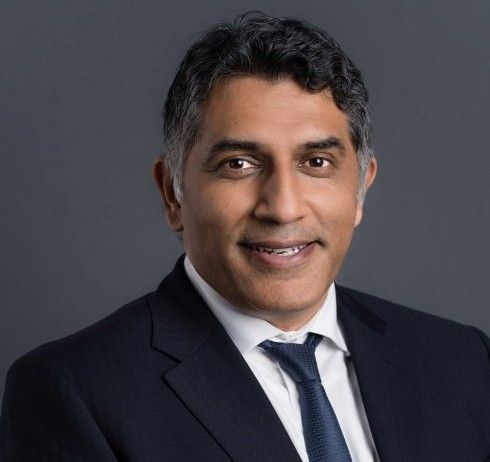
Budget 2027 strikes a constructive balance between sustaining growth today and building Malaysia’s longer-term economic competitiveness, and reinforcing Malaysia’s position as an attractive destination for high-value corporate investment.
At RM510 billion, it is the largest budget to date, but importantly, it remains anchored on fiscal discipline. The commitment to narrow the fiscal deficit to 3.3% of GDP, with federal revenue projected to rise to RM380.8 billion, sends a strong signal of stability to investors, rating agencies and financial markets.
The continued thrust on the New Industrial Master Plan 2030, New Energy Transition Roadmap, the National Semiconductor Strategy, digital and artificial intelligence, and supply chain diversification gives businesses confidence. This creates opportunities for banks to support SMEs, mid-tier corporates and the green economy through working capital, transition financing and digitalisation.
The measures to strengthen the investment ecosystem will enhance Malaysia's competitiveness as a regional hub for trade, sustainable finance and high-value investment. We look forward to playing our part in connecting capital, capability and markets to deliver on this ambition.
Jamie Ling
Group CEO, AmBank Group

This is a budget of disciplined continuity. It supports growth without losing sight of fiscal responsibility. It also gives households and businesses greater confidence to plan, spend and invest.
The budget projects economic growth of 4.2% to 5.2% in 2027. It also aims to reduce the fiscal deficit to 3.3% of gross domestic product, from 3.6% in 2026.
Support for households remains important. Higher cash aid, tax relief and wage-related measures should help protect purchasing power and support private consumption.
For SMEs, financing guarantees through Syarikat Jaminan Pembiayaan Perniagaan Bhd and Credit Guarantee Corporation Malaysia Bhd have been increased by RM2 billion to RM32 billion, improving access to liquidity and supporting business expansion.
Measures for automation, digitalisation and AI can also help companies lower costs and raise productivity. Higher wages and higher productivity must move together. Businesses need finance, technology and skills so that better pay is sustainable.
The investment measures cover strategic sectors, venture and mid-tier funds, digital infrastructure, energy transition and the Johor-Singapore Special Economic Zone. These initiatives can deepen Malaysia’s role in regional supply chains and attract higher-value investment. The quality of investment matters as much as the amount. The real gain comes when projects create skilled jobs, stronger local suppliers and new capability in Malaysia.
AmBank is ready to play its part. We will work with customers, industry partners and public institutions to turn the Budget’s priorities into investment, stronger businesses and wider financial inclusion.
Kevin Lam
Group managing director and CEO, Hong Leong Bank Bhd

Hong Leong Bank welcomes the government’s emphasis on strengthening local enterprises, accelerating AI adoption, advancing the energy transition and supporting halal enterprise development, alongside measures to ease living costs and maintain fiscal discipline.
The government’s projected real GDP growth of 4.2% to 5.2% for 2027 is broadly aligned with the 13th Malaysia Plan’s target of 4.5% to 5.5% and encompasses HLB’s forecast of 5%. We expect growth to be supported by resilient domestic demand, continued policy support and investment in high-value digital services and AI. Tourism activity associated with Visit Malaysia Year 2026–2027, SEA Games 2027 and Lima 2027 is expected to provide further momentum.
Maintaining fiscal discipline alongside these growth ambitions will be essential to sustaining confidence and preserving Malaysia’s capacity to respond to future challenges. The projected narrowing of the fiscal deficit in 2027 to 3.3% of GDP, or RM77.5 billion, together with the 6% increase in the revised revenue estimate for 2026, provides a firmer fiscal foundation amid persistent global uncertainty. Over time, the quality of investment and effectiveness of implementation will be as important as the pace of growth.
Datuk Mohd Rashid Mohamad
Group managing director and group CEO, RHB Banking Group

Budget 2027 strikes a balance between supporting inclusive growth and maintaining fiscal discipline under the Ekonomi Madani framework. It provides important support for households and businesses, while keeping Malaysia focused on competitiveness and longer-term growth. The priority now is to ensure these measures are implemented effectively and translate into meaningful outcomes for the economy, businesses and Malaysians.
We welcome measures to improve access to financing, provide tax relief and facilitate business expansion. These measures will give businesses greater room to invest, grow and compete.
Expanded financing facilities and support for start-ups should also help encourage entrepreneurship and innovation. Just as importantly, businesses must use this support to strengthen their capabilities, adopt technology and move into higher-value areas of growth.
Measures to support household incomes and ease cost-of-living pressures are equally important. Higher minimum wages, enhanced tax relief and expanded targeted assistance should provide some relief to households.
Raja Datin Paduka Teh Maimunah Raja Abdul Aziz
Group CEO, Bank Islam Malaysia Bhd

Budget 2027 reinforces Malaysia's aspiration to build a more productive, competitive and future-ready economy.
Malaysia's next phase of development will depend not only on access to funding, but on how effectively resources, innovation and talent are mobilised to improve productivity, strengthen competitiveness and create higher-value economic activity. As the economy becomes more complex and interconnected, execution will be critical to translating policy intent into meaningful outcomes.
The financial sector has an important role to play by channelling funds towards activities that support national development and economic advancement. At Bank Islam, we see our role as helping businesses innovate, scale and strengthen their long-term sustainability, while ensuring economic opportunities remain accessible and inclusive. Guided by Maqasid Al-Shariah, we are committed to supporting initiatives that create lasting value for businesses, communities and the nation.
Bank Islam supports the government's priorities by enabling business expansion, advancing financial inclusion and facilitating investment into emerging sectors. We will continue supporting MSMEs, halal businesses and entrepreneurs through financing, trade and supply chain solutions, as well as advisory support that helps businesses scale and enhance their competitiveness.
At the same time, we remain committed to facilitating investment into renewable energy, green infrastructure and transition-related sectors through shariah-compliant financing, sustainable finance solutions and sukuk offerings.
Datuk Wan Razly Abdullah
President & group CEO, Affin Group

We are encouraged by the Government's commitment to fiscal consolidation. Efforts to enhance revenue collection and manage public expenditure prudently remain important, alongside the flexibility to pursue development projects and strategic investments that support sustainable, long-term economic growth.
Budget 2027 comes at a pivotal juncture as Malaysia navigates shifting geopolitical dynamics, evolving global trade patterns and continued cost pressures. With the economy projected to grow between 4.2% and 5.2% in 2027, we believe the country's transition towards higher-value industries, technological innovation and deeper regional integration presents opportunities to enhance productivity and competitiveness.
The continued focus on Sabah and Sarawak, with Federal allocations of RM18.7 billion and RM16.2 billion, respectively, in 2027, is particularly encouraging. The sustained investment in infrastructure, connectivity and regional development is expected to unlock new economic opportunities while supporting more balanced growth across the country.
For Affin, this aligns well with our strong franchise in East Malaysia, where projects such as the Pan Borneo Highway Sabah, the Sarawak-Sabah Link Road and new gas developments are expected to generate financing opportunities across the infrastructure value chain.