


KUALA LUMPUR (Oct 9): Lestari Cooling Energy Sdn Bhd, a joint venture between KJTS Group Bhd (KL) and infrastructure-focused investment firm Stonepeak Partners, aims to use its capital expenditure (capex) model to adopt new energy-efficient technologies as they become commercially viable.
The company draws on KJTS’ experience in cooling energy management and Stonepeak’s apital to fund cooling infrastructure and deliver energy savings of 20% to 30% at a reasonable ost to clients.
“We, with Lestari, have now integrated EPCC (engineering, procurement, construction and ommissioning), operations and maintenance, and asset ownership into one concession-based odel. So it looks a bit more like a master-lease or an as-a-service contract, versus having that isalignment between different parties,” explained Zach Ennis, managing director of Stonepeak Partners’ investment team.
The company also aims to set itself apart by continuously collecting data through its cooling ystems’ command centre to improve perational and energy efficiency.
“Technologies are not static. There are new technologies and we are also very price-sensitive ecause we are also doing EPCC. So if there's any new technology that we did not embark on ecause it was not economically viable previously but is now, we will continue to upgrade the xisting plant,” said Lee Kok Choon, managing director at KJTS.
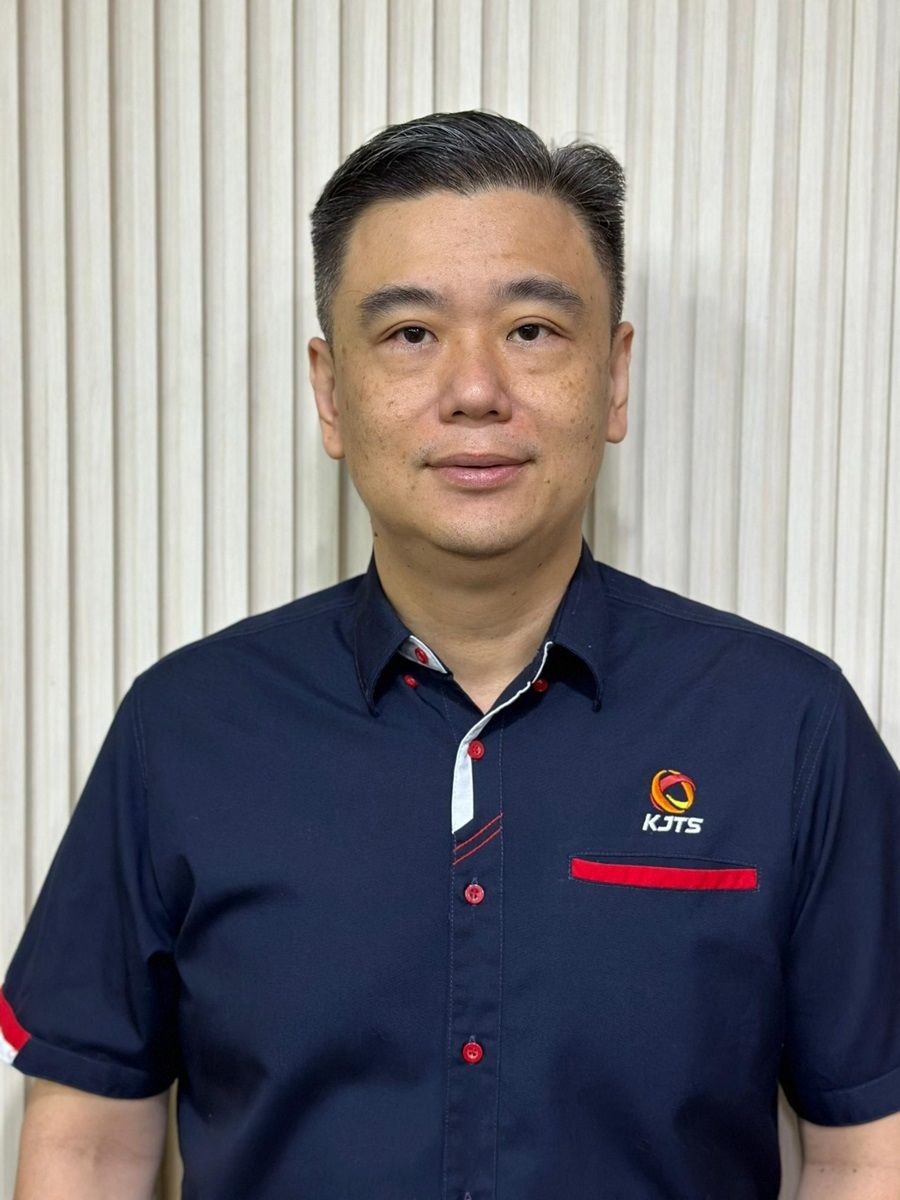
Lee cited a shopping mall project under a 15-year concession agreement as an example. As newer technologies became cheaper, they were installed to improve profitability, increase energy savings and make the system more reliable.
“The payback is within the period that we think is bankable, so we had no hesitation to come up with additional capex to improve the system, because if you have a 15-year contract and we have a five-year payback, for example, there’s no reason not to upgrade it,” explained Lee.
He added that Lestari Cooling can carry out such upgrades because it has plant designers and contractors in-house.
The company focuses on improving energy efficiency rather than entering the renewable energy business. It currently purchases electricity from Tenaga Nasional Bhd (TNB) (KL:TENAGA), said Lee.
However, it could consider new programmes from TNB or other renewable energy providers to reduce costs.
“What I think we need to highlight is that we are open [to having renewable energy], but it's not our nature of business, at least not yet. Having said that, if there's a cheaper source or if there's a requirement to use green energy, we can easily tap into solar, hydro or wind,” Lee said.
Established a little over a year ago, Lestari Cooling cannot disclose specific clients because of confidentiality obligations, said Ennis, although projects in the pipeline will be announced.
“We target large-scale industrial facilities, commercial facilities and mixed-use developments. Increasingly, we are seeing an appetite for, as data centres draw more power from the grid, a push by regulators in different markets to co-locate cooling or find more energy-efficient solutions,” said Ennis.
Ennis added that the environmental benefits and cash flow generation are more pronounced in brownfield developments, where existing infrastructure can be retrofitted and upgraded.
Greenfield developments, by comparison, require planning and design from scratch, resulting in higher costs.
The company is also expected to receive an investment commitment of about RM190 million through Retirement Fund Incorporated’s (KWAP) climate-focused Dana Iklim+ initiative.
“This is clearly a business that will have a positive impact on the carbon footprint with 70,000 tonnes of CO2 emissions saved per year. That particular aspect, I think, was attractive to us.
And we think that, given the fact that climate is something very important to KWAP, this is a worthy investment to embark upon,” said Premraj Janardanan, director of infrastructure investment at KWAP.
Lestari Cooling will focus primarily on Malaysia while exploring opportunities elsewhere in Asean.