

The Kuala Lumpur International Airport (KLIA) has long connected Selangor and Malaysia to the world. Its next chapter will involve extending the value of that connectivity beyond passenger and cargo movements by creating the conditions for aviation-linked industries to establish operations, invest and grow in and around the airport.
For Malaysia Airports Holdings Bhd, this is an aviation-led economic strategy that will bring together airport infrastructure, industrial land and private-sector investment. Located in Malaysia’s most industrialised state and connected to the wider Klang Valley, KLIA offers a strong base for maintenance, repair and overhaul (MRO), aerospace, air cargo, logistics and advanced manufacturing activities.
Spanning about 8,537 acres designated for development around KLIA, the projects Malaysia Airports is advancing will respond to specific industry needs: greater logistics capacity, stronger domestic aerospace capabilities, cleaner energy infrastructure and better amenities for the airport community.
“KLIA is one of Southeast Asia’s most strategically positioned airports. Our ambition is to translate that connectivity into wider economic value by attracting investment, strengthening industry capabilities and creating opportunities that benefit Selangor and Malaysia,” says Datuk Mohd Izani Ghani, managing director of Malaysia Airports.

Managing Director of Malaysia Airports.
An ecosystem already taking shape
The development strategy builds on an established base of aviation and commercial activities at KLIA.
The Cainiao Aeropolis eHub, a joint venture with Alibaba, occupies 60 acres and supports e-commerce logistics operations. DHL Express Gateway, operational since 2024, is Malaysia’s first fully automated sorting facility, while Asia Digital Engineering’s 14-bay hangar strengthens aircraft maintenance capability at the airport.
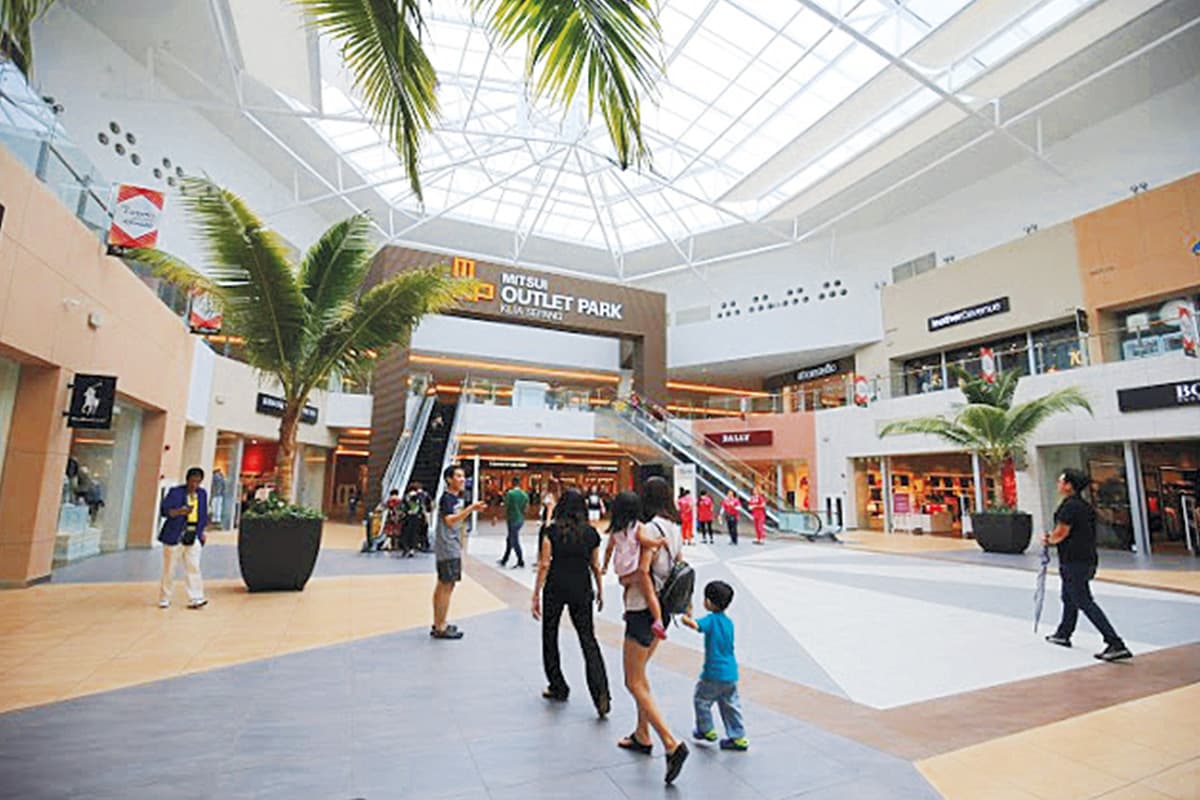
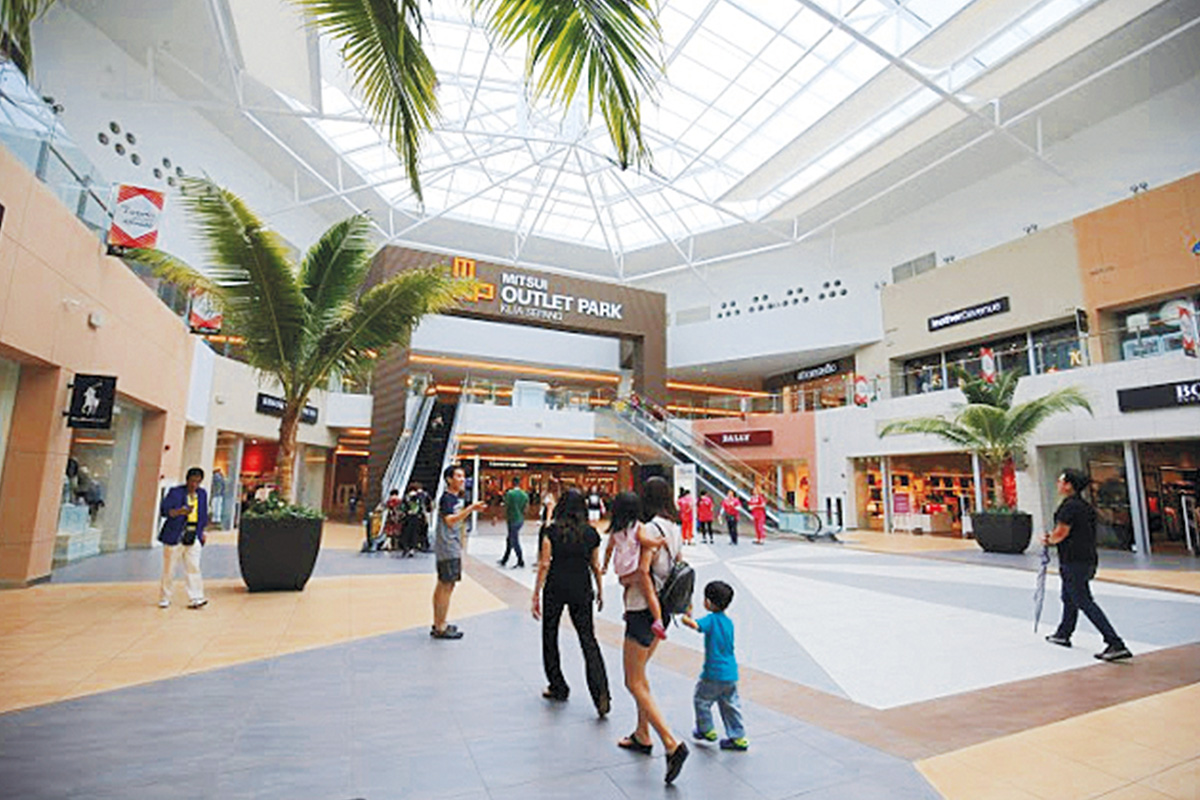
Mitsui Outlet Park KLIA, developed in partnership with Mitsui Fudosan, demonstrates how complementary commercial activities can serve travellers, employees and the surrounding communities while broadening the economic activity generated around the airport.
Malaysia Airports is now building on this foundation through a development pipeline that places aviation and its supporting industries at the centre. While its wider real estate portfolio spans several airports, the projects at KLIA will be particularly significant to Selangor because of their scale, location and ability to complement the state’s existing industrial ecosystem.
Strengthening Selangor’s aerospace proposition
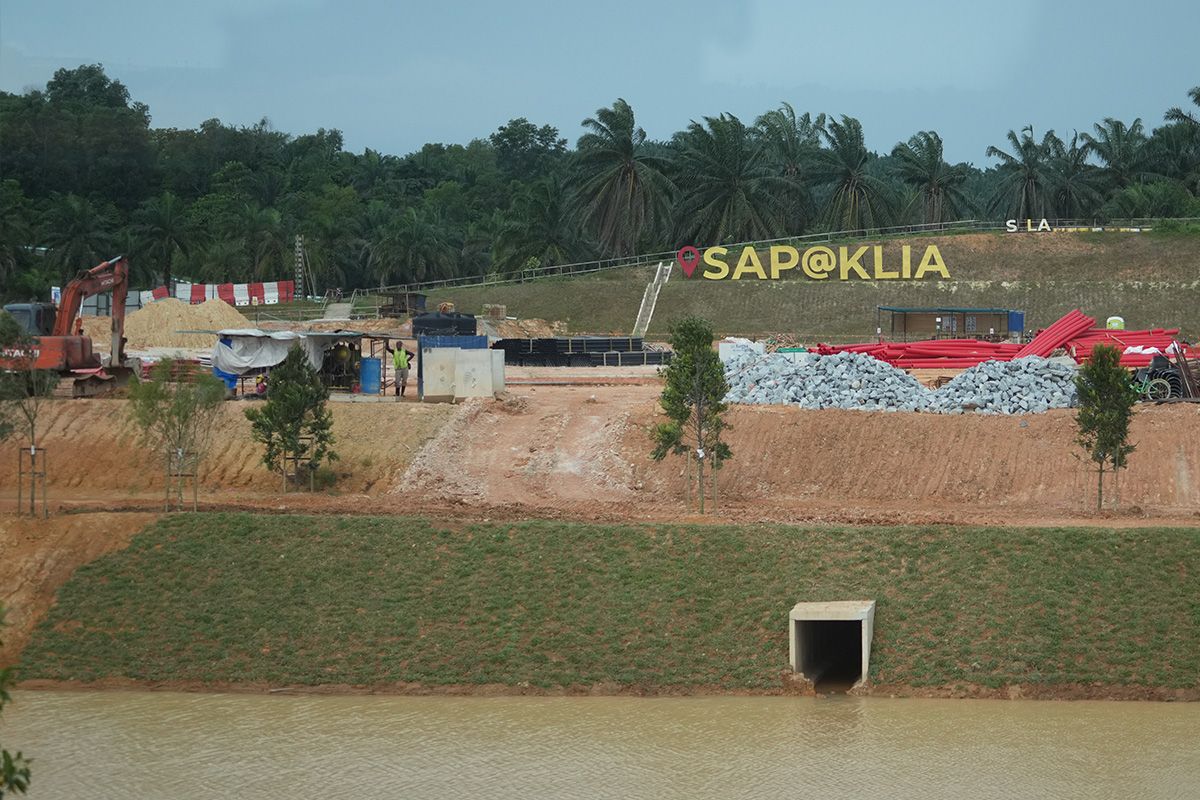
Selangor Aero Park will be a major component of the next phase. Developed by Malaysia Airports in partnership with Permodalan Negeri Selangor Bhd, a subsidiary of the MBI Selangor group, the 545-acre industrial park is designed for aerospace and aviation activities, including MRO services, air cargo logistics, advanced manufacturing and supporting supply chains.
Phase 1 covers 200 acres, with GE Aerospace secured as the anchor tenant for a development of up to 100 acres comprising a test cell centre, MRO facility and supply chain network. Infrastructure works are being undertaken in stages, with completion targeted for the first quarter of 2027.
The presence of a global aerospace company provides an important foundation for attracting other industry participants. Over time, the park is aimed at supporting a broader cluster that includes logistics, electrical and electronics, life sciences, healthcare technology, and food and perishables businesses that can benefit from the proximity to KLIA.
“Selangor Aero Park will strengthen the proposition for aviation and advanced manufacturing investment at KLIA. With GE Aerospace as the anchor tenant, the priority is to build a credible industry cluster supported by the airport’s connectivity, suitable infrastructure and Selangor’s wider industrial capabilities,” says Mohd Izani.
Enabling more efficient cargo growth
Air cargo and logistics are another priority. At KLIA Cargo Village, Malaysia Airports is advancing a multi-tenant facility to provide additional space for logistics operators, increase throughput and support faster cargo turnaround. The facility is intended to respond to the expansion needs of industry players while reinforcing KLIA’s role in regional supply chains.
This approach recognises that connectivity alone does not create a successful logistics hub. Airlines, cargo terminal operators, freight forwarders, integrators and distribution businesses also require suitable facilities and an operating environment that allows cargo to move efficiently.
Building sustainability into growth
As the KLIA ecosystem expands, Malaysia Airports is also investing in the infrastructure required to support that growth more sustainably. Aeropolis Solar Park will comprise a 36MWp solar installation and 45MWh of usable battery energy storage system capacity for KLIA’s own consumption.
The 102-acre project is being developed with UEM Lestra via Cenergi SEA Bhd and is scheduled to commence commercial operations in the second quarter of 2027. It is projected to avoid 35,502 tonnes of carbon dioxide equivalent annually, corresponding with a 30% reduction against KLIA’s 2019 emissions baseline.
A Renewable Energy Centre of Excellence is being planned as an interactive learning space for the public, educational institutions and researchers. The project will support Malaysia Airports’ target of achieving a 20% renewable energy mix by 2030 and net zero carbon emissions by 2050.
Extending KLIA’s economic value
Malaysia Airports’ aviation real estate strategy in Selangor extends to bothKLIA and the Sultan Abdul Aziz Shah Airport (Subang Airport). While KLIA anchors the state’s international passenger and cargo connectivity, Subang Airport plays a complementary role as a hub for business aviation and MRO activities. Recent developments, including the ExecuJet MRO facility, Collins Aerospace MRO facility and Subang MRO Logistics Complex in partnership with Mitsui Fudosan, are strengthening these specialised capabilities.
The opportunity for Selangor lies in enabling both airports to advance in tandem. KLIA’s scale, global connectivity and surrounding development potential provide a strong foundation for aviation-linked industries, while Subang Airport supports specialised aerospace and business aviation activities. Together, their complementary roles create stronger linkages across the aviation value chain and a broader platform for investment, industry development and employment.
By developing KLIA and Subang Airport around their respective strengths, Malaysia Airports is advancing a more integrated aviation ecosystem that will support Selangor’s economic ambitions while strengthening Malaysia’s position in the regional aviation landscape.