

This article first appeared in City & Country, The Edge Malaysia Weekly on October 5, 2026 - October 11, 2026
For Johor-based BCB Bhd (KL:BCB), Johor’s next phase of growth is not about chasing the latest property cycle, but positioning its developments in the state’s evolving economic landscape.
According to executive director Lindy Tan, the developer sees opportunities emerging across different parts of Johor as connectivity improves, industrial activity expands and economic ties with Singapore deepen. Its plans span commercial and residential projects in Iskandar Puteri and Batu Pahat, as well as potential industrial development in Kluang.
The combination of the Johor-Singapore Special Economic Zone (JS-SEZ), the upcoming Johor Bahru–Singapore Rapid Transit System (RTS) Link and improving rail connectivity, she adds, is changing the way people and businesses move around the state.
She notes that the current growth phase differs from the earlier development cycle under Iskandar Malaysia, as Johor now has stronger integration with Singapore alongside the more tangible improvements in connectivity.
“Johor is entering a structural growth phase, not just another property cycle. The catalysts are reshaping the state’s long-term trajectory,” she explains. “It’s not just about a plan or a policy. It’s about real transportation, connecting and bringing in the population.”
For BCB, these changes are creating opportunities beyond the immediate impact on property prices. Increased movement of people and businesses is supporting activity in sectors such as hotels, F&B and commercial services, while businesses are showing greater willingness to buy their own premises.
Tan also points to the rail connection between Johor and Kuala Lumpur, which she says is increasingly being used by business travellers. “All these are bringing value and confidence to the property market.”

Building on presence in the southern corridor
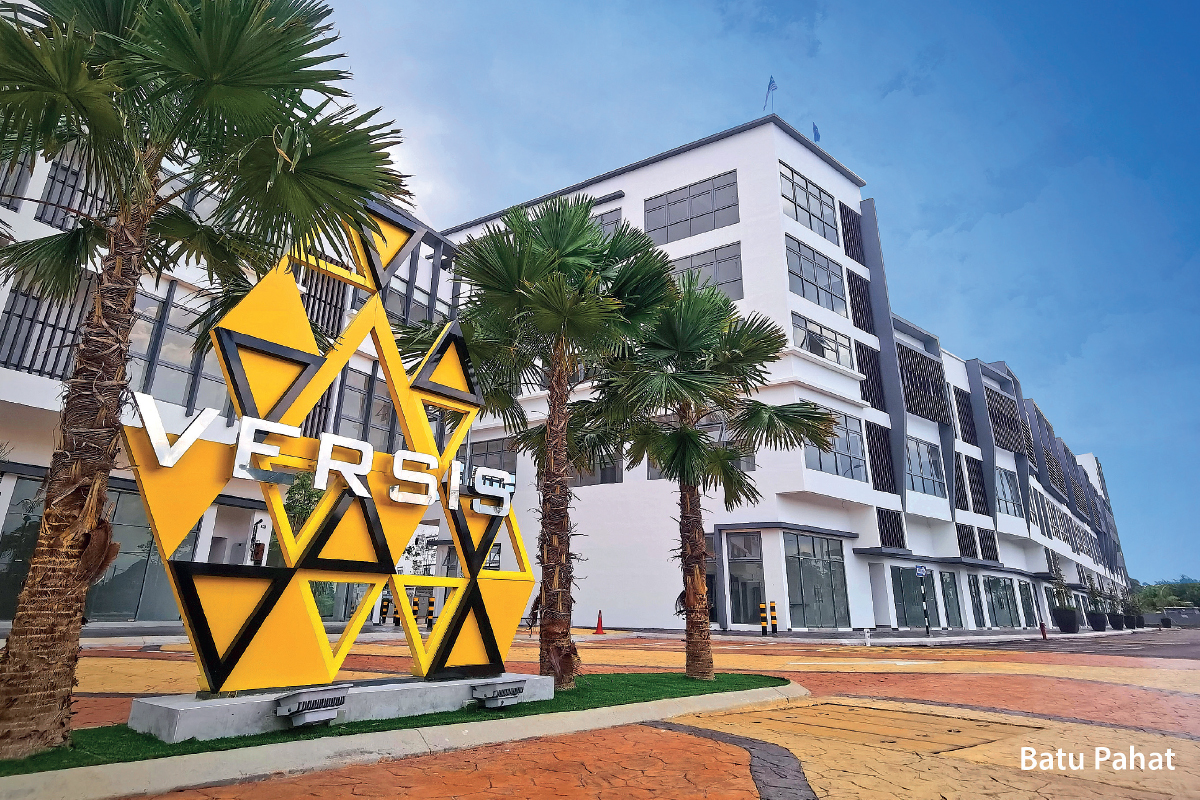
One of BCB’s key focus areas remains Iskandar Puteri, where it has several commercial and residential projects in the pipeline. Among them is Lumina Commercial Park, a 35-acre development. BCB is now preparing to launch its second phase, which has an estimated gross development value (GDV) of RM200.23 million.
Tan says demand for the earlier phase was strong, with the international units fully taken up within three months. “A lot of people ask whether the buyers are Singaporeans, but I would say the percentage is very low … Many of them are business owners,” she explains. “This is not a trend that we saw five or six years ago.”
The demand, she says, reflects a broader shift among F&B operators and other businesses that are choosing to buy their premises rather than be tenants. For BCB, the change is significant because it points to demand arising from actual business activity rather than purely investment purposes.
The developer is also working on another commercial development called Versis 2 in Iskandar Puteri, which has an estimated GDV of RM225.53 million.
The developments are being positioned in the southern Johor market, which Tan expects to continue benefiting from connectivity to Singapore, industrial expansion and infrastructure investment.
At the same time, BCB is keeping its residential strategy focused on practical demand.
While buyers have become more selective about residential products on the market, Tan says the company’s residential developments continue to receive support from owner-occupiers and local upgraders.
She explains that buyers are more mindful about practicality, liveability, maintenance costs, sustainability features and long-term value retention, rather than focusing solely on short-term capital appreciation.
This means balancing product quality with affordability as construction and compliance costs rise. She also highlights that the group is responding by optimising planning and design efficiencies while maintaining the quality of its products.
Examining Batu Pahat’s industrial potential
While Iskandar Puteri remains an important part of BCB’s pipeline, the developer is also preparing for opportunities arising from industrial spillover into other parts of the state.
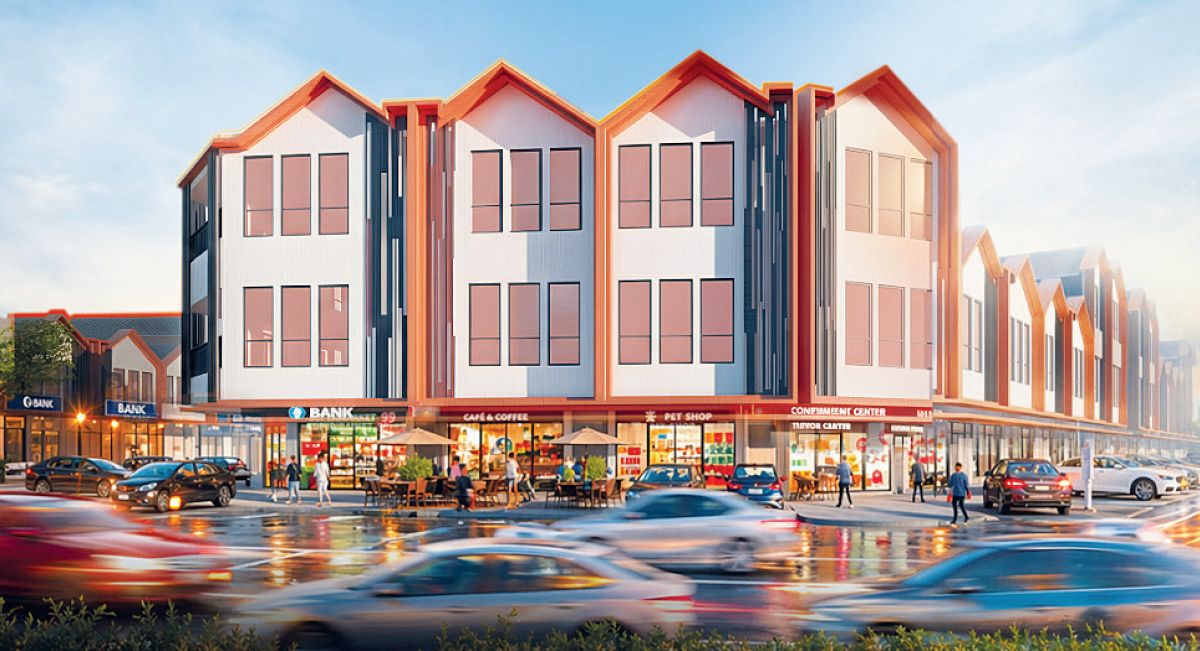
Batu Pahat is a key example. BCB has had a presence in the town for decades, with its developments there traditionally centred on landed township projects and largely supported by owner-occupiers.
Now, the group is looking at a different segment. It has acquired over 280 acres of agricultural land and Tan says the group is in the process of converting them for industrial development. The project remains at the planning and submission stage, but she says the group has already received interest from potential investors.
“We do expect a spillover effect [from JS-SEZ], especially in manufacturing and industrial activity, into other parts of Johor,” says Tan.
She expects the rising cost of industrial land and property in Johor Bahru to encourage companies to consider locations farther afield. This could create opportunities for towns with existing populations, business communities and improving connectivity.
Tan says connectivity will be particularly important for the success of such locations. She explains that Batu Pahat could benefit from improved regional accessibility, particularly if the West Coast Expressway connection progresses, while the proposed industrial development could provide BCB with a new avenue for growth beyond its traditional township business.
Keeping an eye on Kluang
Kluang is another location that BCB is watching as the state’s growth pattern evolves. Tan says the group acquired two small parcels of commercial land there last year as it assesses the town’s medium-term potential.
She says improving rail connectivity and growing tourism activity are among the factors supporting Kluang’s longer-term prospects.
For BCB, the strategy is not to assume that every location will follow the same growth trajectory as Johor Bahru. Instead, it is assessing each market based on its economic drivers, infrastructure and underlying demand.
“We believe Johor’s growth story is becoming increasingly multi-nodal rather than concentrated solely within Johor Bahru city centre,” says Tan.
While Johor Bahru will remain the state’s main gateway because of its proximity and connectivity to Singapore, BCB expects population growth, infrastructure improvements and industrial activity to create opportunities in other centres.
This multi-nodal approach is reflected in the company’s development strategy, which combines its established presence in southern Johor with longer-term opportunities in places such as Batu Pahat and Kluang.
Pipeline remains calibrated to demand
BCB’s Johor plans are part of a wider business development pipeline, which also includes projects in the Klang Valley. Its total undeveloped land bank currently stands at 811 acres across the nation.
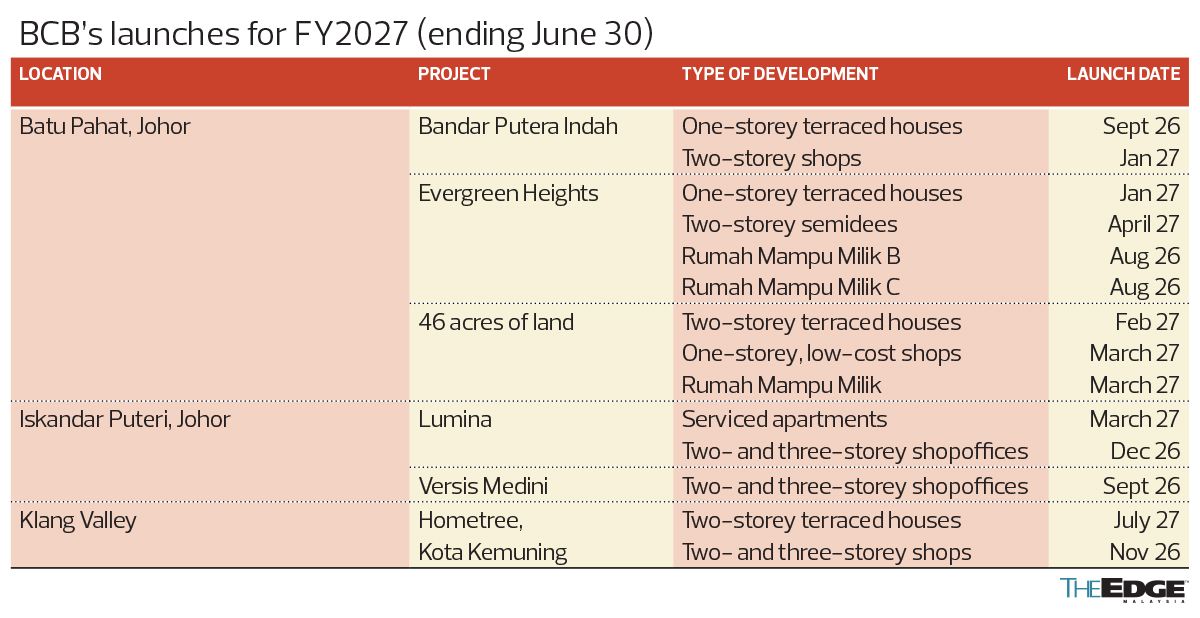
In Batu Pahat, the group also has plans to launch township developments with a total GDV of RM185.39 million this year.
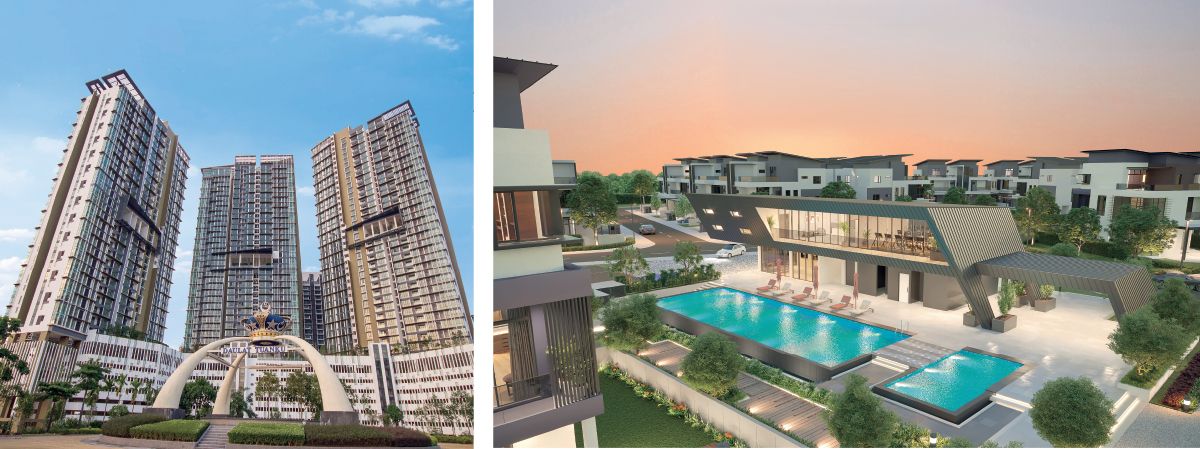
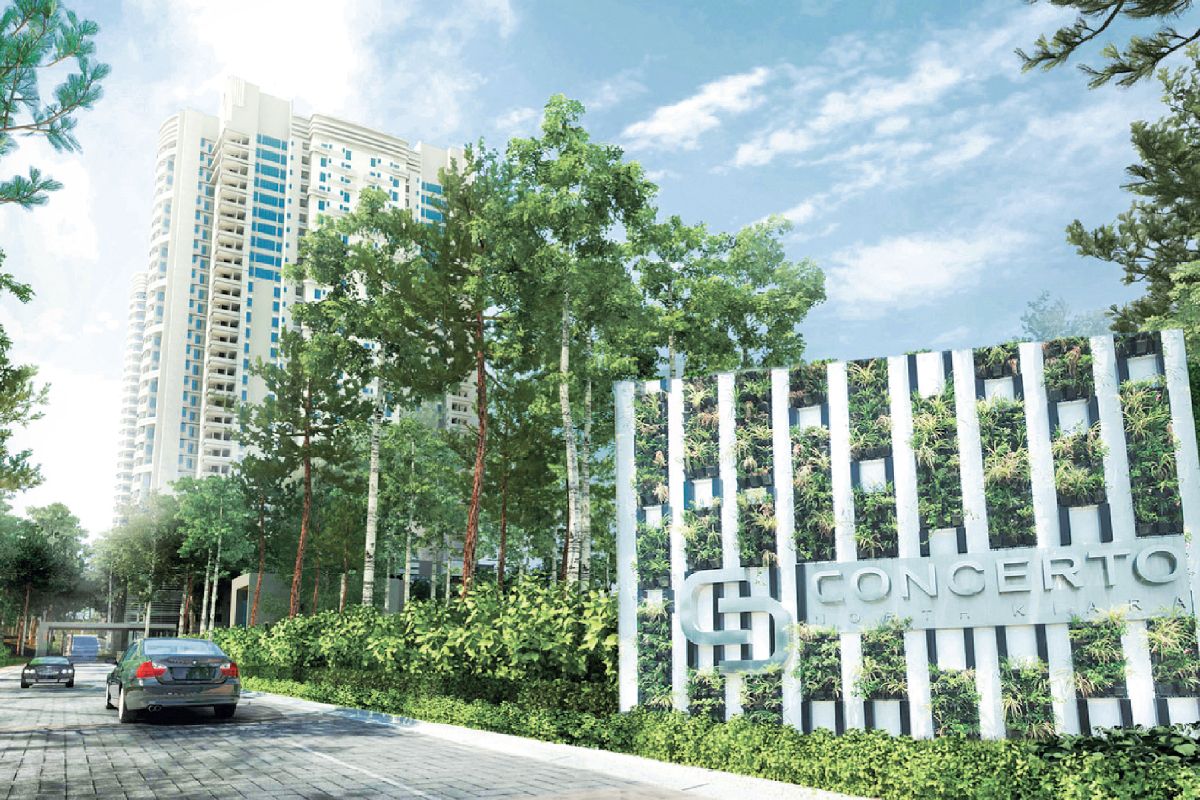
In the Klang Valley, BCB continues to develop Hometree in Kota Kemuning. The final phase of the landed strata link homes and semi-detached homes with a clubhouse has an estimated GDV of RM302.3 million.
BCB also plans to launch Phases 4 and 5 of Hometree’s commercial components that have a combined GDV of RM385.27 million soon, subject to obtaining planning and government approvals.
Moving forward, Tan says the group remains selective about when and where it launches projects. “Our launches continue to be calibrated according to market demand.”
This approach means BCB does not apply the same development strategy across all of its markets.
In Johor, the group is responding to a combination of industrial expansion, Singapore connectivity and large-scale infrastructure transformation. However, in the Klang Valley, the market is more mature and competitive, requiring greater emphasis on lifestyle, quality and differentiation.
For example, Hometree focuses on family-oriented landed living, greenery, architecture and lifestyle experiences. “One size does not fit all. Every market requires a tailored response,” Tan says.
Beyond the property cycle
While connectivity and infrastructure in Johor are creating new opportunities for BCB, Tan says the group is looking beyond their immediate effect on property values.
She expects the JS-SEZ and RTS Link to support deeper economic integration, job creation and increased business activity, which could in turn create demand across a wider range of sectors.
Meanwhile, as more industries are established in Johor, Tan expects the benefits to extend to logistics, professional services, retail, education and healthcare.
She points out that this broader economic activity is important because it provides the underlying demand needed to support developments over the longer term.
The developer is therefore looking to position its projects around genuine economic activity rather than speculative expectations. That also means maintaining a disciplined approach to its pipeline while adapting its product offerings to the characteristics of individual markets.
“We want BCB to be known as a responsible developer that creates long-term value, not just through buildings, but by staying true to what we stand for: building communities and beyond,” says Tan.
With projects ranging from commercial developments in Iskandar Puteri to townships and a proposed industrial development in Batu Pahat, BCB is ready to participate in a state whose growth map is becoming increasingly diverse.
Save by subscribing to us for your print and/or digital copy.
P/S: The Edge is also available on Apple's App Store and Android's Google Play.