

This article first appeared in The Edge Malaysia Weekly on October 5, 2026 - October 11, 2026
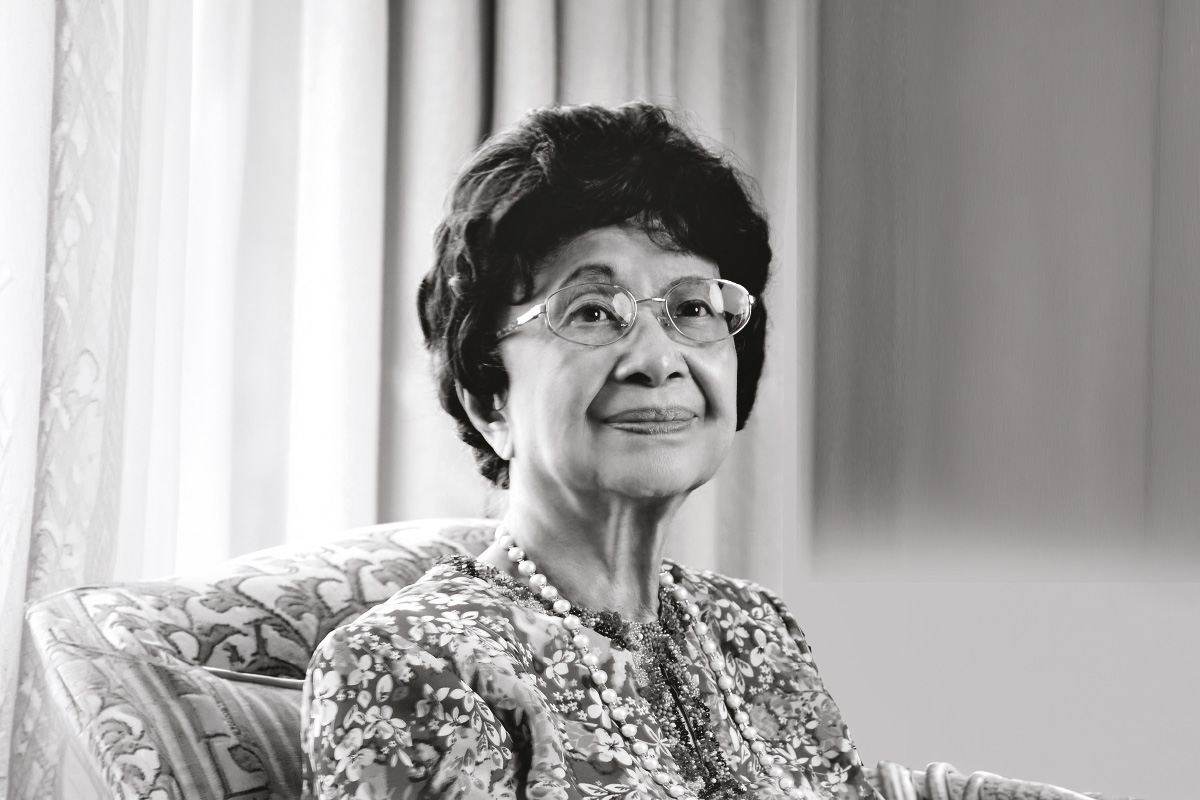
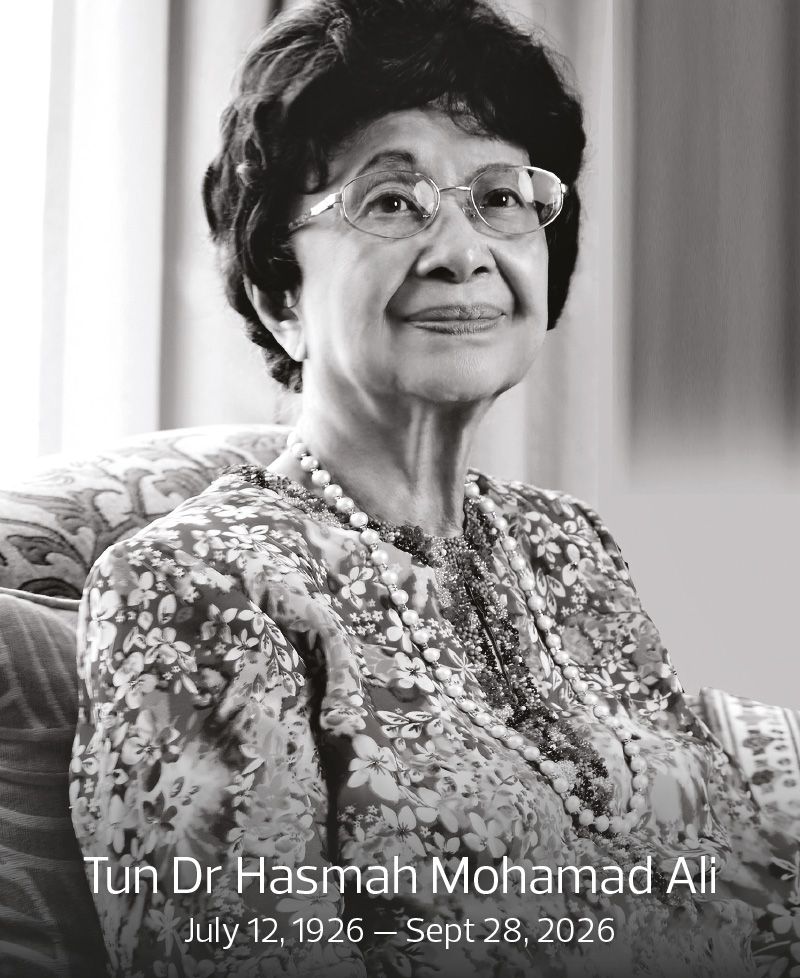
TUN Dr Hasmah Mohd Ali, one of Malaya’s earliest Malay women doctors and a pioneering public health physician who would spend decades at the centre of Malaysian public life, died on Sept 28 at the age of 100.
Malaysians knew her as Siti Hasmah, though she said in a 2024 podcast interview that she was born plain Hasmah. She joked that some “smart people” had added Siti when the family returned to Kuala Lumpur from Alor Setar, Kedah, and asked that it be dropped.
Hasmah was born on July 12, 1926, in Kampung Jawa, Klang, Selangor, the sixth of 10 children of Mohd Ali Taib and Siti Khadijah Ahmad. As she recalled to Esquire Malaysia in 2016, their family moved to Kuala Lumpur when she was three, and her parents, her father a government officer, did not discriminate between their three daughters and seven sons: all were educated equally.
Her parents’ conviction would shape a remarkable life. She was 15 in 1941 when the Japanese invaded. In the same interview, she said she refused to attend the Japanese schools that sprang up, and although her younger brothers went, she and her sisters stayed home, where their mother told them it was time to learn housekeeping.
While many remember Hasmah for her contributions to the nation’s public healthcare, it was not her first ambition. She had wanted to be a journalist in her youth, as she was a fan of reading and writing. Her mother’s illness during the occupation would eventually steer her towards medicine instead.
In 1947, two years after the war ended, she won a scholarship to the King Edward VII College of Medicine in Singapore, the only Malay woman in her batch. She graduated in 1955 and later described herself as “the third Malay woman” to become a doctor in the country. It was also at medical school that she met a fellow student from Kedah. His name was Mahathir Mohamad, and he would shape the nation for decades to come.
They married in 1956, moved to Alor Setar and began a partnership that would last some 70 years, eventually placing Hasmah beside one of the most consequential figures in Malaysian political history. But long before Mahathir became prime minister, she had already begun building a public service record of her own.
Kedah became the defining chapter of her career. She travelled into rural communities promoting immunisation, hygiene and healthier living, while working to improve maternal and child healthcare. Traditional practices and a lack of access to hospitals could make childbirth especially dangerous. Hasmah and other health workers worked with traditional midwives, including by teaching safer delivery practices and giving them sterilised UNICEF birth kits.
In 1965, she became the first woman to be appointed a medical officer in the Maternal and Child Health Department, and subsequently in 1974, Kedah’s first woman state maternal and child health officer. Kedah’s infant mortality rate fell from 75 per 1,000 births to seven per 1,000 during her tenure, according to the Perdana Leadership Foundation, though such a decline cannot be credited to one person alone.
The work was not easy. Hasmah was a Selangor-born doctor who did not speak the local dialect and needed an interpreter. She was initially met with suspicion by the villagers.
Years later, in 2016, as she prepared to launch her memoir My Name Is Hasmah, she cited being accepted by Kedahans as one of her proudest achievements. The “Selangor girl”, as she called herself, had been taken in as one of their own.
Hasmah left government service in 1979, and lectured at Universiti Malaya’s dental faculty until 1981, the year her husband became prime minister. She was the prime minister’s spouse from 1981 to 2003 and again from 2018 to 2020 when Mahathir assumed office for a second term.
She used the platform for maternal health, family planning, drug abuse prevention and literacy, led the Malaysian Girl Guides Association, and served for more than two decades as patron of the Badminton Association of Malaysia, including through Malaysia’s 1992 Thomas Cup victory. She described herself as having stayed out of politics, telling The Edge’s Options in 2018 that she had kept to a civil servant’s rule of never taking part.
Her advocacy was not constrained domestically. She attended the First Ladies’ Conference on Drug Abuse in Washington, DC, at the invitation of US First Lady Nancy Reagan in 1985, and represented Malaysia at an international conference on drug abuse in Vienna in 1987. In 1992, she attended the First Ladies Summit for the Economic Advancement of Rural Women in Geneva, Switzerland, where she was selected as one of six Asia-Pacific core group initiators.
In 2003, she was conferred the title Tun.
Age could not slow her. She played competitive badminton till 75, learned French in her seventies, took up the erhu in 2015 and returned to the violin in her eighties after decades away.
Her wit also remained: greeting the press at a pre-launch conference for her memoir, she called them her interrogators. Words attributed to her in the book Suri Hati Mahathir, The Other Half, say she had nothing to leave the people but her “love and advice”. And that she did.
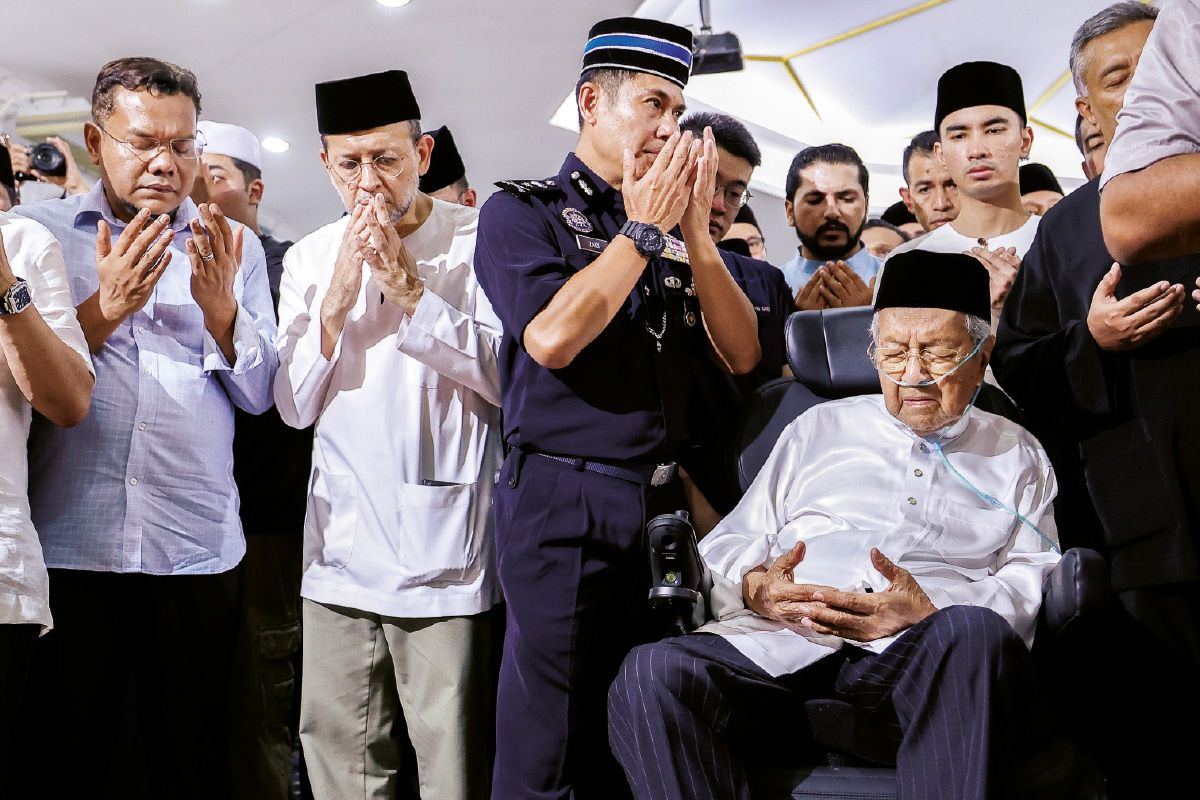
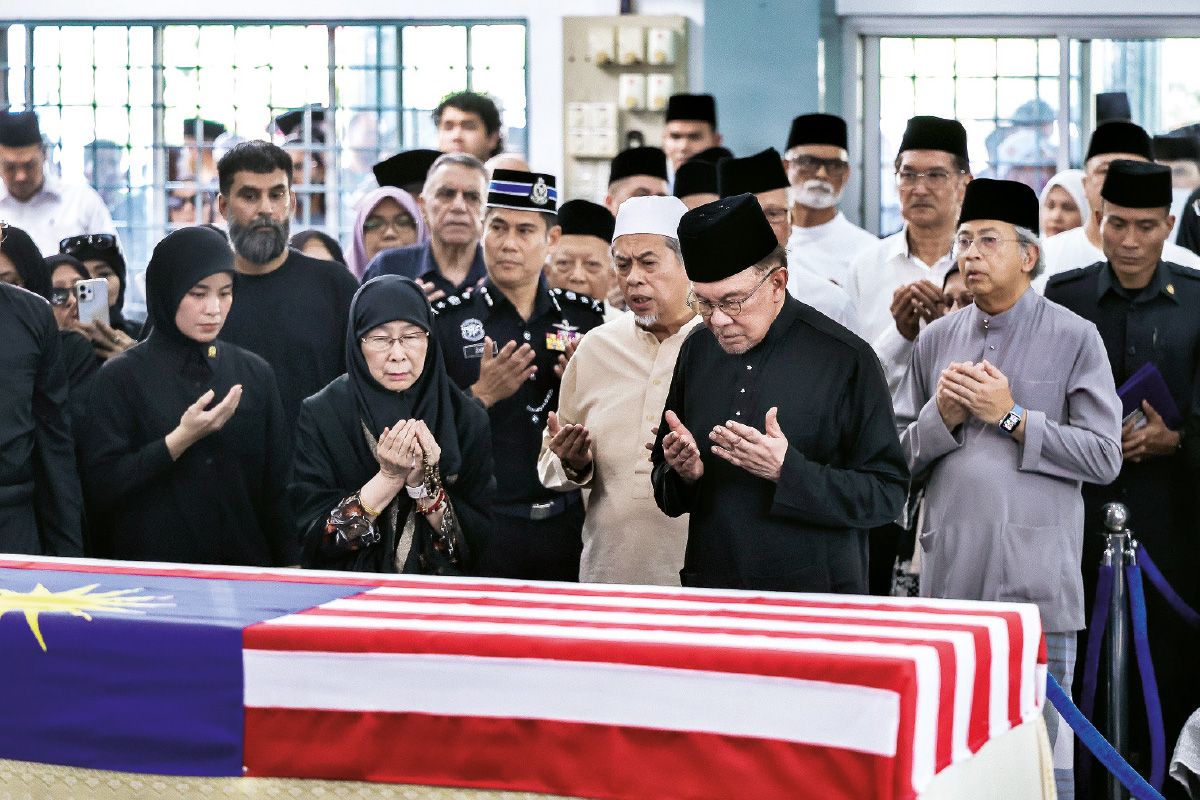
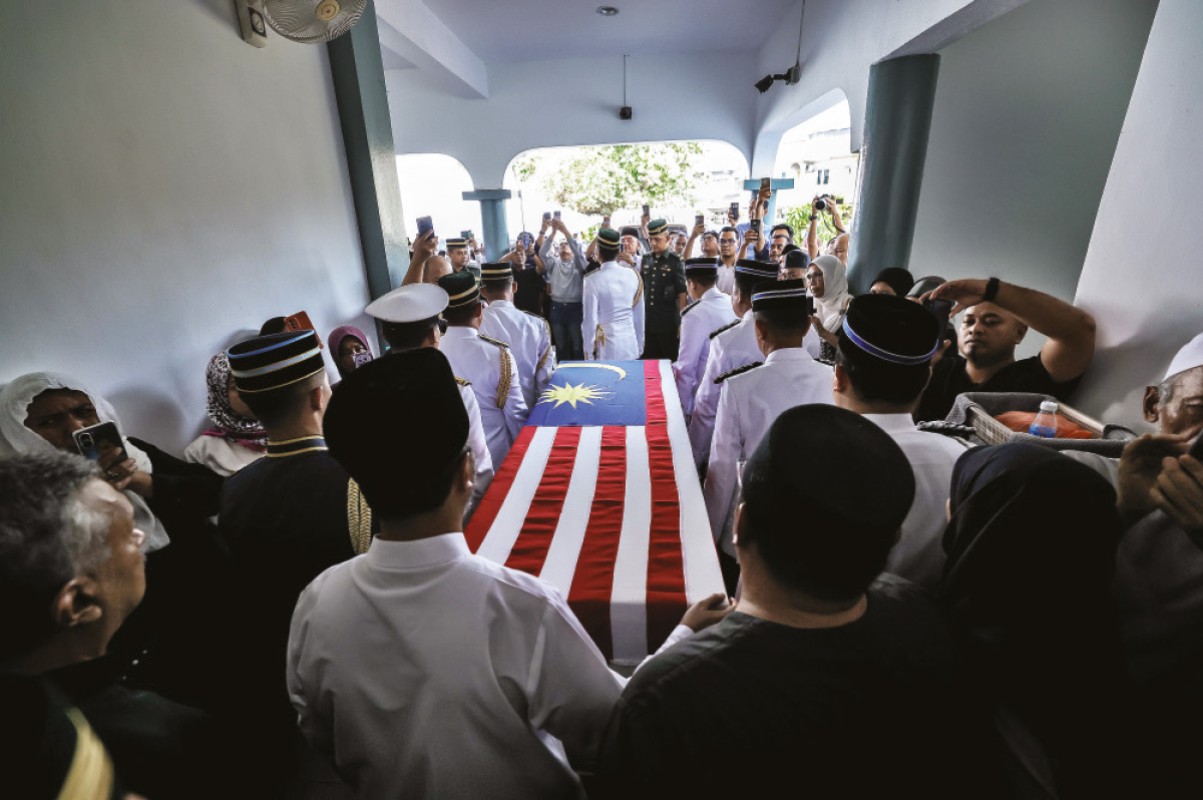
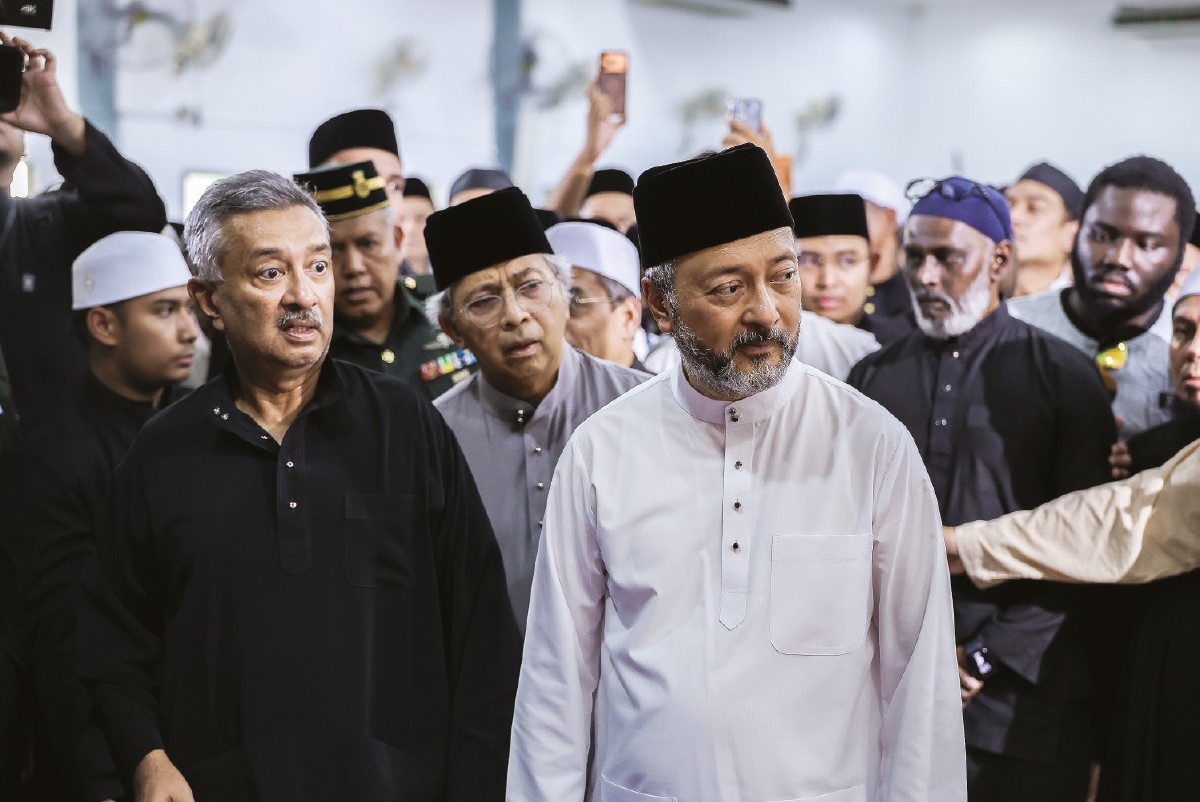
She was accorded a state funeral and laid to rest at Pusara Negara in Putrajaya. She is survived by Mahathir, seven children, 18 grandchildren and four great-grandchildren.
Save by subscribing to us for your print and/or digital copy.
P/S: The Edge is also available on Apple's App Store and Android's Google Play.