

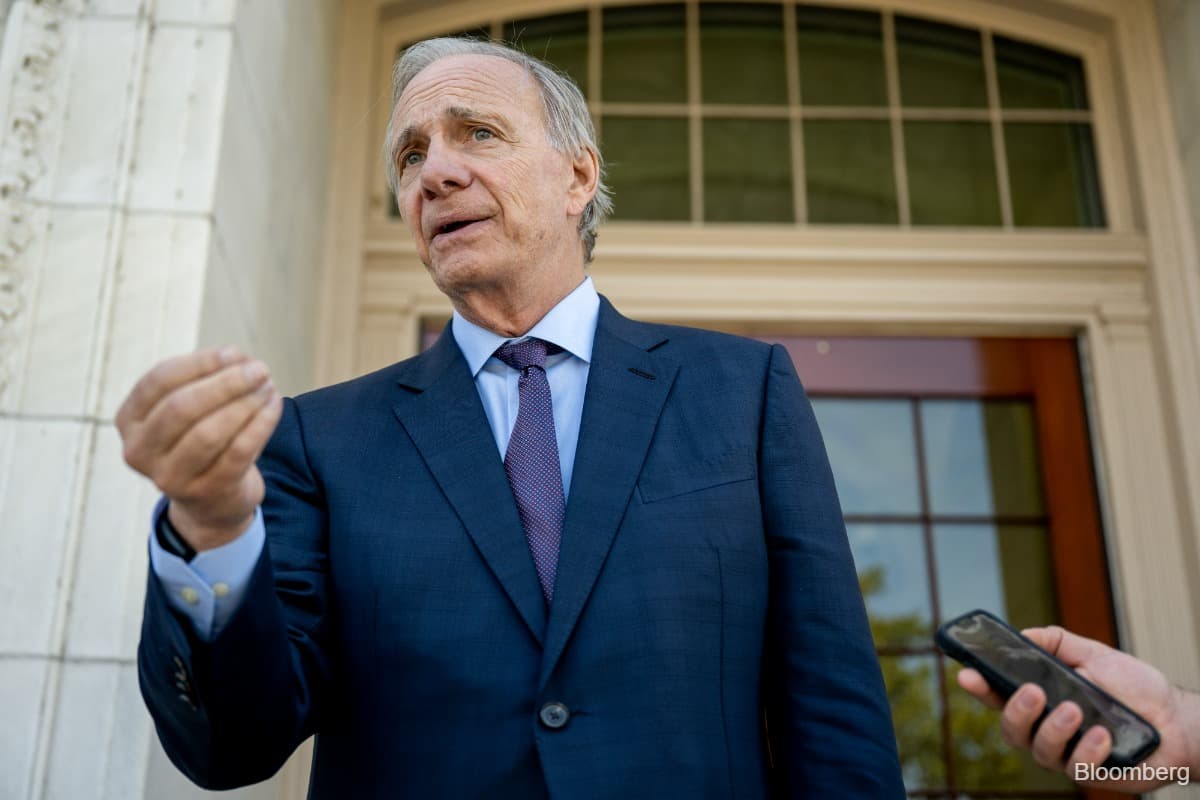
(Oct 6): Billionaire Ray Dalio warned that the Treasury market is vulnerable to a pullback of demand from China and Japan, two of the US’s largest foreign creditors, highlighting a potential pain point for a sector that has endured wild swings this year.
The US relies on foreign capital for about a third of its debt, and a lot of that is coming from Japan and China, Dalio, the founder of Bridgewater Associates, said on Bloomberg Television in Singapore on Tuesday.
“The Chinese don’t want to continue to accumulate — there are geopolitical issues as well as economic issues,” he said. “When you have a debtor-creditor relationship and you have an adversary relationship, that’s a very difficult dynamic.”
He added that Japan has lent “a lot of money” that the country now wants to take back.
His comments came after Treasury Secretary Scott Bessent tried to reassure investors that a mix of economic growth and spending restraints will “very quickly” start to alter the path of US government borrowing. Bessent, speaking at a fireside chat in Pennsylvania on Monday night, said the government would start “bending the curve”.
Dalio’s remarks suggest the Treasury secretary has a long way to go to convince some investors. The Bridgewater founder repeated his warning that the US faces a potential debt crisis within three years, arguing that some borrowers are already starting to feel the squeeze.
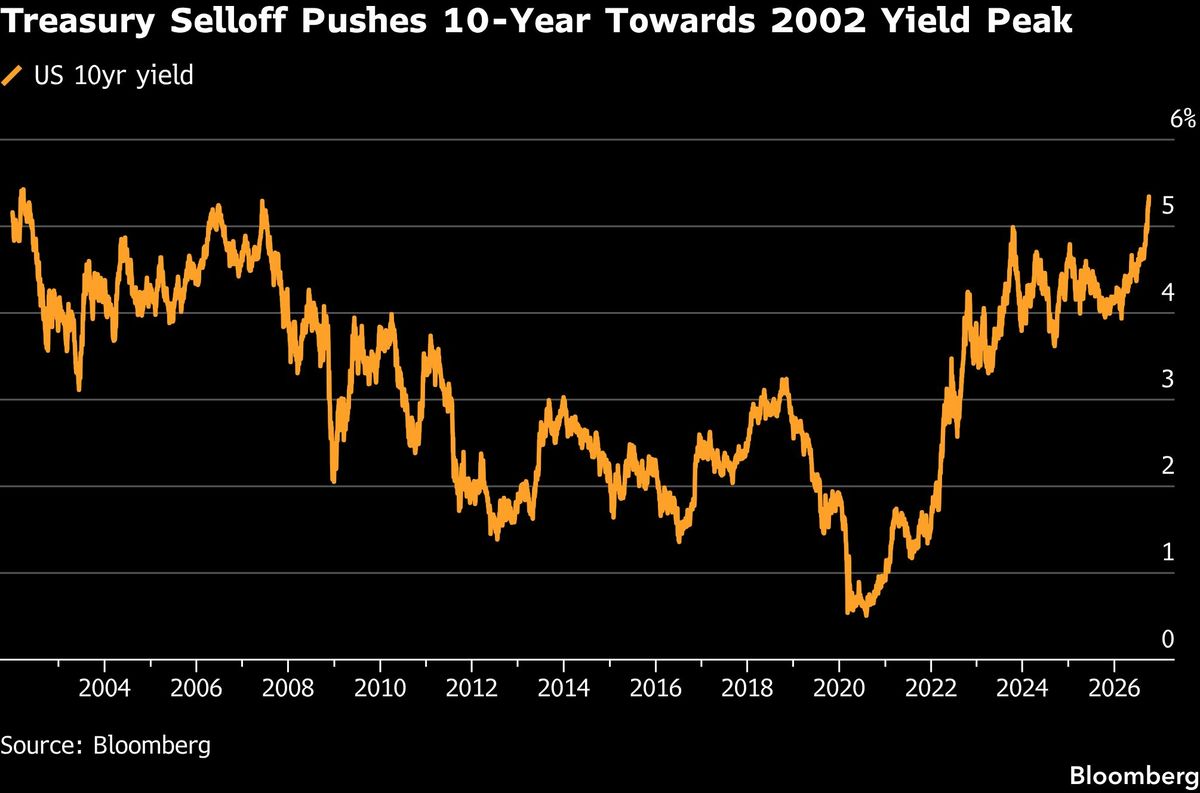
Bonds have extended their months-long slide this week. Yields on 10-year US Treasuries are trading at around 5.3%, hovering at levels last seen in 2002. Global bonds have lost 3% this year, according to data compiled by Bloomberg. Treasuries have fallen 2.8% in the same period.
The US Treasury market has been vulnerable this year to increasing investor jitters over government borrowing and inflation risks. Similar concerns have roiled sovereign debt markets elsewhere, with France in particular becoming a trouble spot after its 10-year bonds suffered their worst quarter since the birth of the euro.
Dalio said France had “reached its borrowing limit”, adding to investor concerns that the country’s under-fire debt market was facing a moment of reckoning.
Japan, China
Japan — the biggest foreign owner of US Treasuries — and China have already been paring their holdings.
Japan saw a US$12.8 billion (RM52.3 billion) drop in its Treasury holdings in July to US$1.1 trillion. That month included action by Japanese authorities to prop up the yen. Recent figures from the country’s Finance Ministry indicated that Tokyo likely sold a portion of its holdings of foreign securities to help fund its yen intervention moves.
Mainland China has seen its official Treasuries pile drop from a peak of US$1.3 trillion in 2013 to around US$618 billion in July, the third-largest foreign holding. However, market analysts suggest that figure may be an undercount as holdings of other countries such as Belgium likely include Chinese custodial accounts. The latest figures for Belgian Treasury holdings stood at US$470.7 billion.
Dalio also spoke of increasing funding strains for large technology companies that are investing in artificial intelligence. That means so-called hyperscalers are starting to encounter issues.
“Before, they would raise equity and now they need to come to debt,” he said, warning that several factors could cause the AI bubble to burst. “Something like a wealth tax would have that effect, or having to pay back loans.”
Uploaded by Chng Shear Lane