


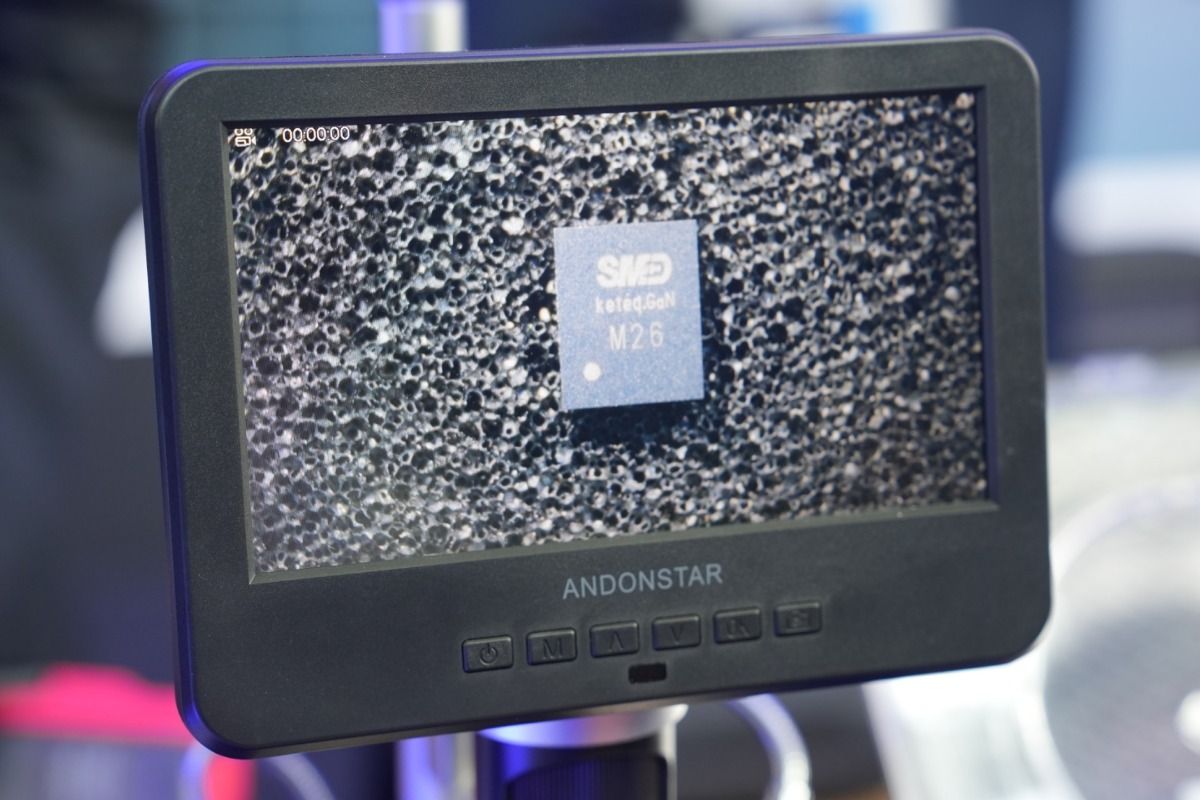
KUCHING (Oct 4): Sarawak unveiled its first locally designed gallium nitride power semiconductor chip, keteq.GaN, at the International Digital Economy Conference Sarawak (IDECS) 2026, alongside the Sarawak Cybersecurity Strategy Roadmap 2030 and the integration of Sarawak Pass with MyDigital ID.
The keteq.GaN chip, developed by state-owned Sarawak Microelectronics Design (SMD) Semiconductor Sdn Bhd, reflects the state’s capabilities in technological innovation and intellectual property development, signalling an important shift in its role in the semiconductor value chain.
“The development of gallium nitride-based semiconductor technology is one example of progress [in the Sarawak Semiconductor Roadmap 2030],” said Sarawak Premier Tan Sri Abang Zohari Abang Openg during his opening address at IDECS 2026, held at the Borneo Convention Centre Kuching.
“With locally developed technology being applied in intelligent power conversion systems, the opportunity is to move from semiconductor and chip design into practical application, creating opportunities for Sarawak to participate more meaningfully in valued things.”
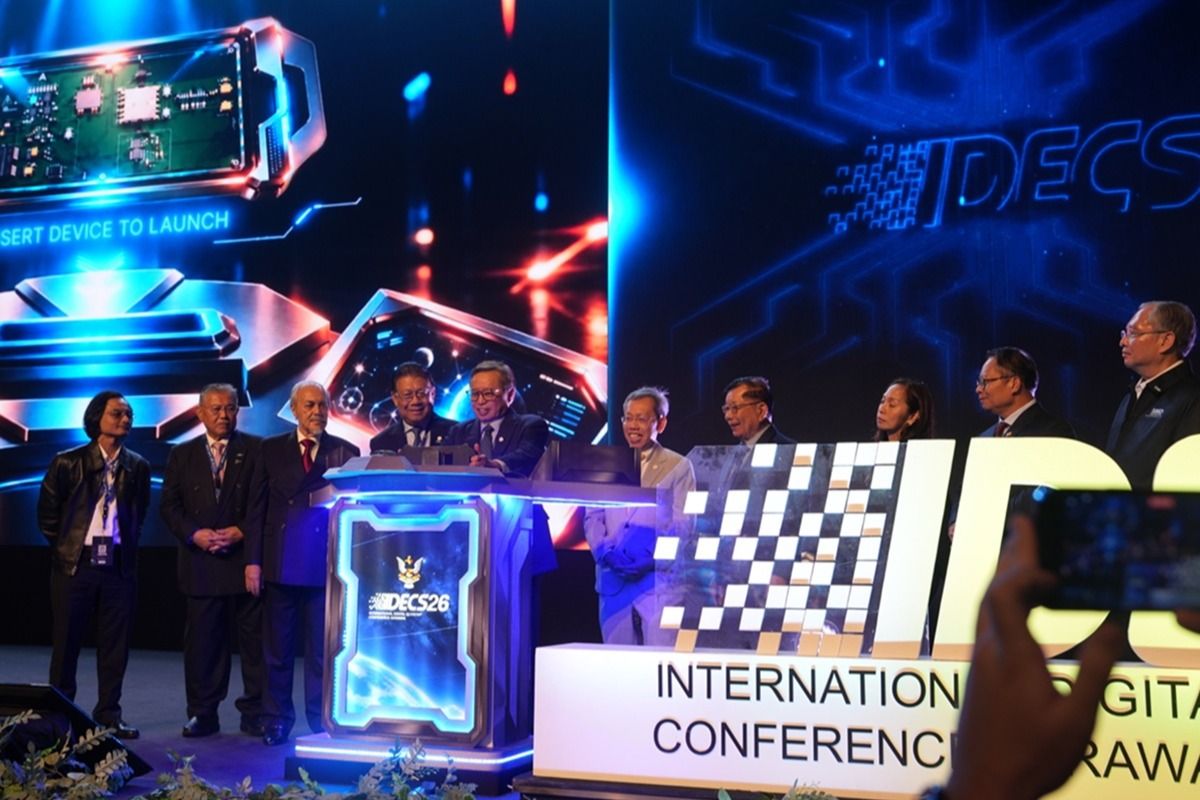
The cybersecurity roadmap, led by the Sarawak Multimedia Authority, is Sarawak’s first comprehensive state-level cybersecurity strategy and aims to protect the state’s strategic information assets, businesses and citizens as its digital economy evolves.
Sarawak Pass, the digital identity for Sarawak government services, is being expanded beyond Air Borneo, Sarawak Energy and Sarawak Water to enable seamless access to digital services through an interoperable digital ecosystem, with the initiative led by the Sarawak Civil Service Digitalisation Unit.
These launches are part of Sarawak’s initiatives in artificial intelligence (AI), semiconductors, digital talent development and the emerging space economy to advance its digital economy and technological capabilities.
“Wherever technology takes us, our purpose remains firmly grounded here, in creating greater value for our economy, operating opportunities for our people and building a Sarawak that can contribute to Malaysia, Asean and the wider world. We build our capabilities here,” said Abang Zohari.
Sarawak’s AI foundations include the establishment of the Sarawak Artificial Intelligence Centre, the Sarawak AI Blueprint 2026 to 2030 and the Sarawak Sovereign AI Infrastructure platform.
Other AI initiatives include the development of the Kuching AI data campus, the AI Grid to connect computing resources using Sarawak’s renewable energy capacity, and ADAM AI, an AI tool for the Sarawak Civil Service.
Sarawak also has ambitions in space technology, with plans to launch its first nanosatellite in 2030 using CubeSat technology.
The state plans to use the nanosatellite to gather Earth imagery and geolocation data to support environmental monitoring and resource management, while developing capabilities in electronics and semiconductors and creating opportunities for research, engineering and new businesses.
“The opportunity now is to bring these strengths together more effectively so that technology contributes not only to new industries, but also to create productivity and value across the economy.
“Our natural resources will remain an important source of economic strength. The greater opportunity, however, lies in how we combine these resources with technology, knowledge and engineering to create more value. This also gives practical meaning to the idea of a borderless economy,” said Abang Zohari.
IDECS is the Sarawak government’s flagship initiative, with the 2026 conference carrying the theme Scaling Innovation Ecosystems for a Borderless Economy: Earth, Orbit and Beyond.