

This article first appeared in The Edge Malaysia Weekly on October 5, 2026 - October 11, 2026
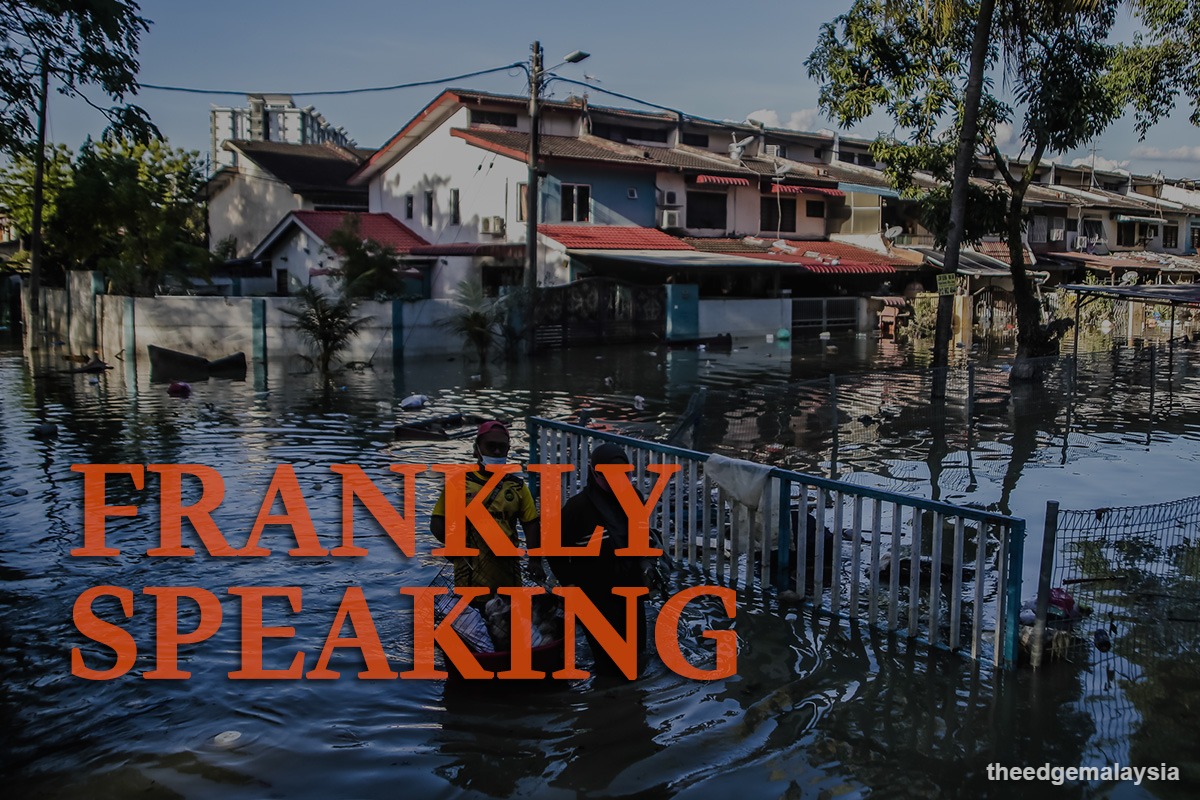
Klang Valley residents, many of whom were still homebound during the final phase of the movement control order imposed during the Covid-19 pandemic, will remember the unprecedented two-day rainfall that led to the flooding of Taman Sri Muda in Shah Alam in December 2021. The continuous downpour, triggered by a tropical depression and compounded by Taman Sri Muda’s location in a low-lying basin near the Klang River, caused devastating floods that claimed 14 lives.
But human error also contributed to the tragedy, the Shah Alam High Court decided recently.
Judicial commissioner Shoba Rajah Dorai Rajah found the government and several public authorities liable for negligence and related failures arising from the floods.
The defendants in the case comprised the director-general of the National Disaster Management Agency or Nadma, the director-general of the Malaysian Meteorological Department, the minister in the Prime Minister’s Department (special affairs), the minister of environment and water as well as the government of Malaysia. The director of the Selangor Department of Irrigation and Drainage (JPS) and Shah Alam City Council (MBSA) were held jointly liable with the federal government.
Among others, the court found that MBSA’s reliance on an outdated development plan, without assessment of contemporary flood risks, amounted to planning negligence and a breach of duty.
It also held that JPS had a continuing duty to manage, maintain and operate flood-control infrastructure with reasonable competence, and that its management of the pumping facilities directly contributed to the retention of floodwaters. Although these assets belonged to JPS, this did not remove MBSA’s separate responsibilities as the local authority.
The case is not just a win for the 50 residents of Taman Sri Muda who mounted the legal challenge against the government, it is a victory for members of the public and taxpayers who depend on the authorities to do their jobs in ensuring the safety and integrity of public infrastructure.
The decision is a reminder to those in government and public authorities of their duty of care to the people against bodily harm and monetary losses.
The whole debacle also points to the reality of climate change as extreme weather becomes increasingly common. Besides lip service, have governments at the federal and state levels seriously looked at undertaking mitigating factors against extreme weather events?
Save by subscribing to us for your print and/or digital copy.
P/S: The Edge is also available on Apple's App Store and Android's Google Play.