
“First, it is a big positive demand shock, which has put upward pressure on the economy and prices. Second, it could affect the supply side, perhaps positively by raising productivity and enhancing capital stock accumulations, which might in turn affect r-star,” Uchida said in a speech Monday.

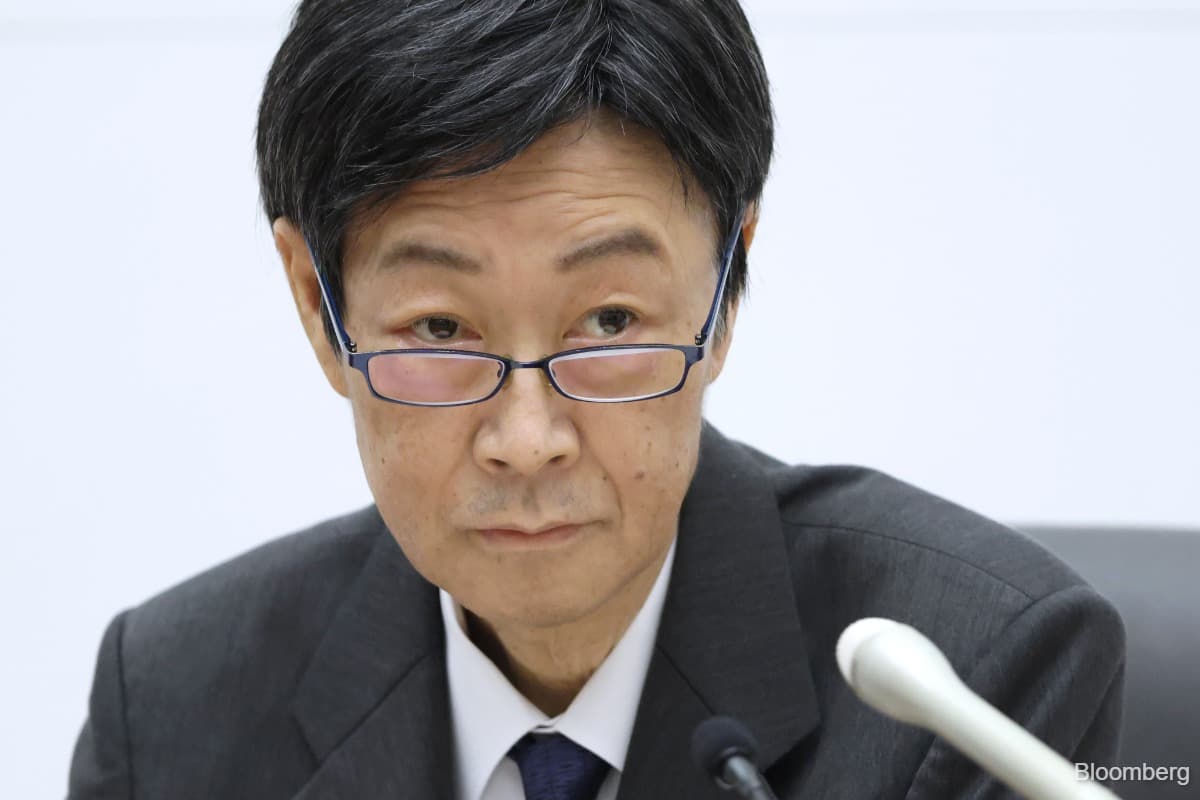
(Oct 5): Artificial intelligence is causing a surge in demand that is fuelling inflationary pressure and long-term interest rates, with an impact that may affect the neutral rate of interest, according to Bank of Japan (BOJ) deputy governor Shinichi Uchida.
R-star is the rate of interest that neither stimulates nor restrains the economy before adding inflation. The neutral rate is essentially R-star plus inflation.
The BOJ deputy chief’s comments suggest the possibility that neutral rates for central banks across the world might initially be forced higher by the spread of AI, while the longer-term impact remains unclear.
The comments come as economists and market players try to assess high quickly and how far the BOJ will raise interest rates. The bank raised its policy rate to 1.25% at its September meeting and is widely expected to hike again before the end of the year.
Uchida noted that while the growing demand for AI had lifted stock prices, making financial conditions easier, a huge wave of bond issuance by tech companies has forced up longer-term yields, making conditions tighter.
Likewise, the longer term structural impact may push policy in different directions.
“AI could rapidly make certain forms of human capital obsolete, particularly skills that were designed for intellectual labour,” Uchida said. “It may also affect social inequality, as people with more technological skills and flexibility could gain far more benefits than others.”
These conflicting impacts need careful examination and the overall effect on r-star is still hard to gauge, he added.
“We don’t have a clear answer yet,” he said.
Uploaded by Liza Shireen Koshy
Print
Text Size
Share