

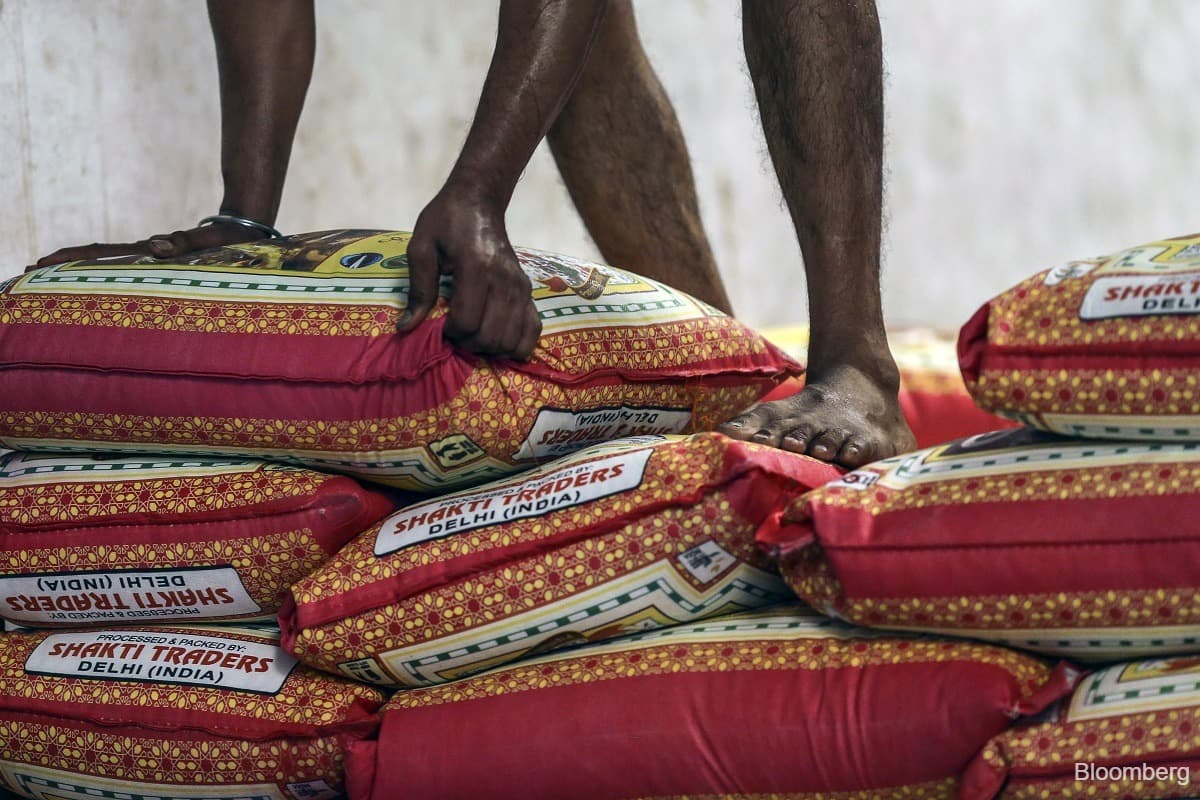
(Oct 1): Indian rice export prices were at an over one-year high this week, driven by improving demand and concerns over production due to flooding in rice-growing areas after a dry spell.
India's 5% broken parboiled variety was quoted at US$378-US$384 per ton this week, its highest since July 2025, and up from last week's US$375-US$381. Indian 5% broken white rice was priced at US$377 to US$382 per tonne.
"Crop conditions are worsening rather than improving. That is pushing up paddy prices and prompting exporters to raise rice prices," said a Mumbai-based trader.
India's rice production is set to fall this year for the first time in a decade, and by the most in nearly 20 years, as below-normal rainfall during the crop's maturation threatens to cut yields, industry officials told Reuters.
In Thailand, 5% broken rice was offered at US$460 per tonne, maintaining the same levels as last week, according to traders.
"Demand is steady, coming from regular customers. There's a trend that the Philippines should be buying more, as they're likely to be hit by several more storms," a trader said.
On the supply side, the Northeastern region is currently in the harvest season. This October-November, running into rain could cause some crop damage, the trader added.
Meanwhile, Vietnam's 5% broken rice was offered at US$420-US$430 per metric tonne on Thursday, compared with US$430 a week ago.
"Though domestic supplies are low, external demand remains weak," a trader based in Ho Chi Minh City said.
The state media cited an agriculture ministry forecast earlier this week, stating rice exports in the first nine months of the year likely fell 6.1% from a year earlier to 6.4 million tonnes. Rice export value during this period is forecast to decline 10.9% to US$3.1 billion (RM12.7 billion).
Elsewhere, rice prices in Bangladesh have remained high and could rise further after a recent increase in oil prices, farmers said, as higher fuel costs raise expenses for irrigation, farm machinery and transportation.
The increase could put further pressure on consumers already grappling with high inflationary levels.
Uploaded by Magessan Varatharaja