

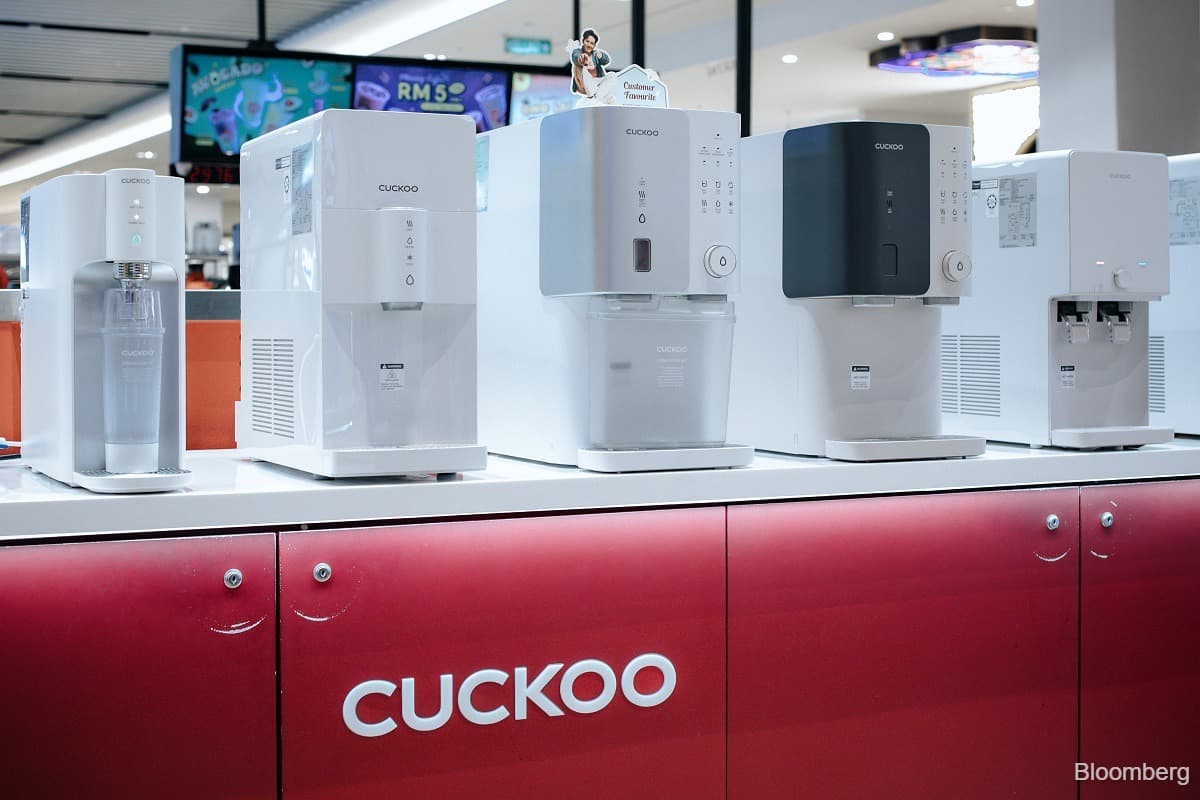
KUALA LUMPUR (Oct 1): Home appliance maker Cuckoo International (MAL) Bhd (KL:CKI) has launched an associate sales partner (ASP) structure and signed four independent businesses to expand its sales network.
The initiative complements its existing workforce of more than 8,000 sales and service personnel by allowing external partners to sell and support Cuckoo products.
In a filing with the bourse, the company said the agreements are valid for two years until Sept 30, 2028, and comprise both exclusive and non-exclusive appointments.
Cuckoo Malaysia said three of the four initial ASPs were established by existing Cuckoo sales leaders and teams, while the fourth brings an additional business and sales team into its network.
The group will remain the sole and exclusive distributor of Cuckoo-branded products in Malaysia, Singapore and Brunei, while the ASPs will operate independently and manage their respective sales teams.
Cuckoo Malaysia said the arrangements are expected to contribute positively to earnings over time by expanding its sales network and market reach, although the financial impact cannot be reliably quantified at this stage.
It added that the structure carries risks including ASP performance, compliance with contractual and regulatory requirements, market competition and changes in customer demand.
Cuckoo Malaysia chief executive officer and non-independent executive director Hoe Kian Choon said in a separate statement the company is also inviting businesses across sectors, including insurance, telecommunications, retail and general trade, to join its sales network.
The company posted a net profit of RM28.2 million against RM245.9 million revenue for the second quarter ended June 30, 2026 as lower costs helped offset lower units sold. The stronger ringgit and lower average customer acquisition costs, cushioned higher sales and service tax, which came into effect on July 1, 2025.
Cuckoo Malaysia shares closed unchanged at 34 sen on Thursday, giving the company a market capitalisation of RM487 million. The stock, which debuted at RM1.08 in June last year, has fallen about 69% from its initial public offering price.