


This article first appeared in The Edge Malaysia Weekly on October 5, 2026 - October 11, 2026
United Plantations Bhd
Riding a commodity boom is one thing, but creating lasting value throughout the cycle is another. United Plantations Bhd (UP) (KL:UTDPLT) — one of Malaysia’s larger plantation groups — has consistently delivered this while outperforming its peers.
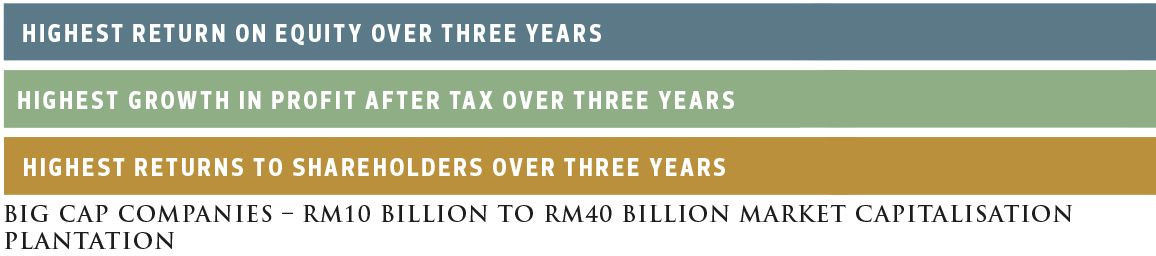
UP, which was The Edge Billion Ringgit Club Company of the Year in 2025 and the only palm oil producer to ever receive the prestigious award, this time around bagged a hat-trick with Highest returns to shareholders, growth in profit after tax (PAT) and return on equity (ROE) over three years in the plantation sector. It also clinched the BRC Award for the Highest ROE over three years among firms with a market capitalisation of RM10 billion to RM40 billion for the sixth year running.
The continued healthy performance has brought its total BRC awards tally to 14, alongside its third corporate responsibility (CR) award win this year.
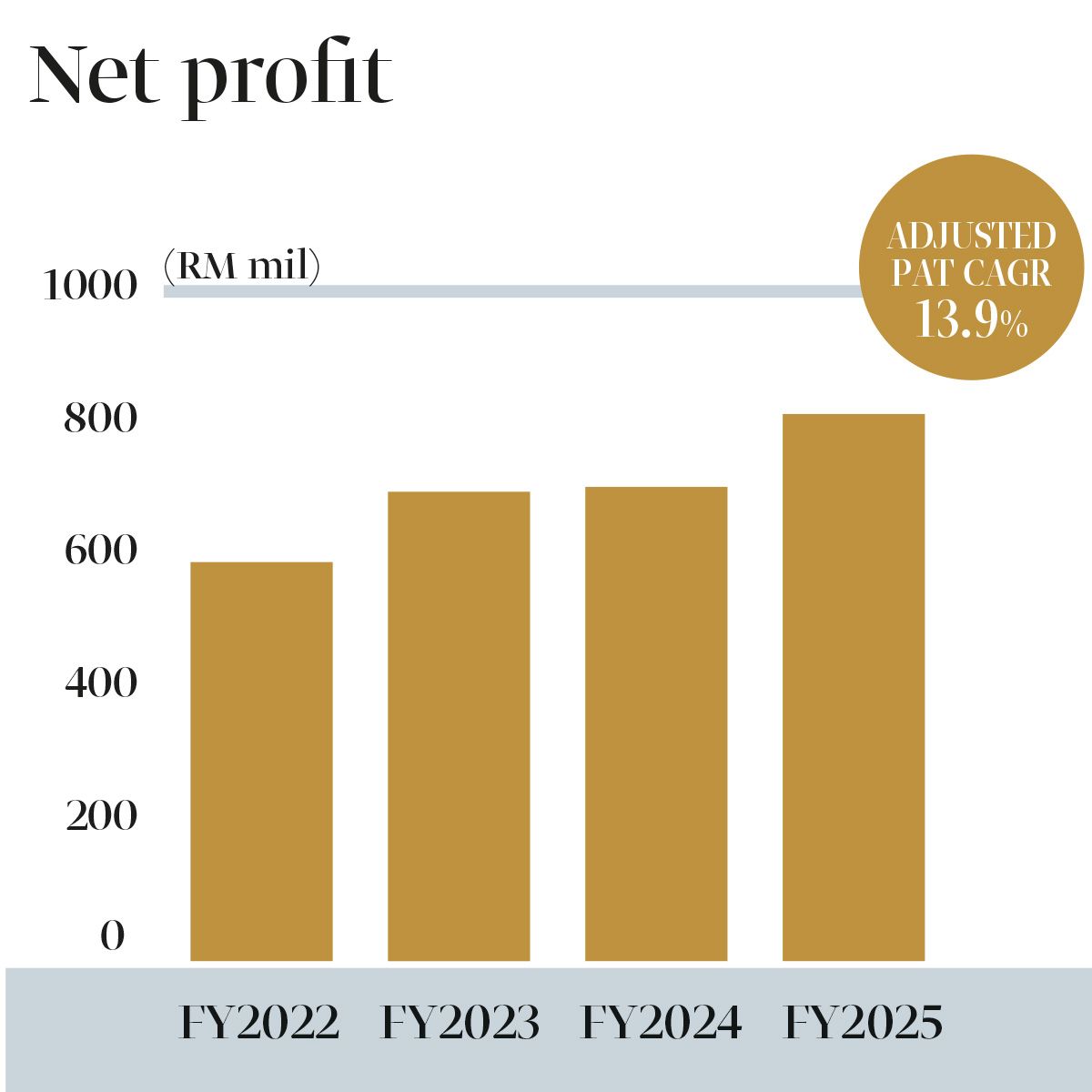
Record production, coupled with an all-time high group yield of 6.58 tonnes of crude palm oil (CPO) per hectare and firmer commodity prices, lifted UP’s net profit by 15.4% to a record RM825.1 million in the financial year ended Dec 31, 2025 (FY2025), from RM715.1 million in FY2024. Revenue rose to RM2.51 billion from RM2.2 billion a year earlier.



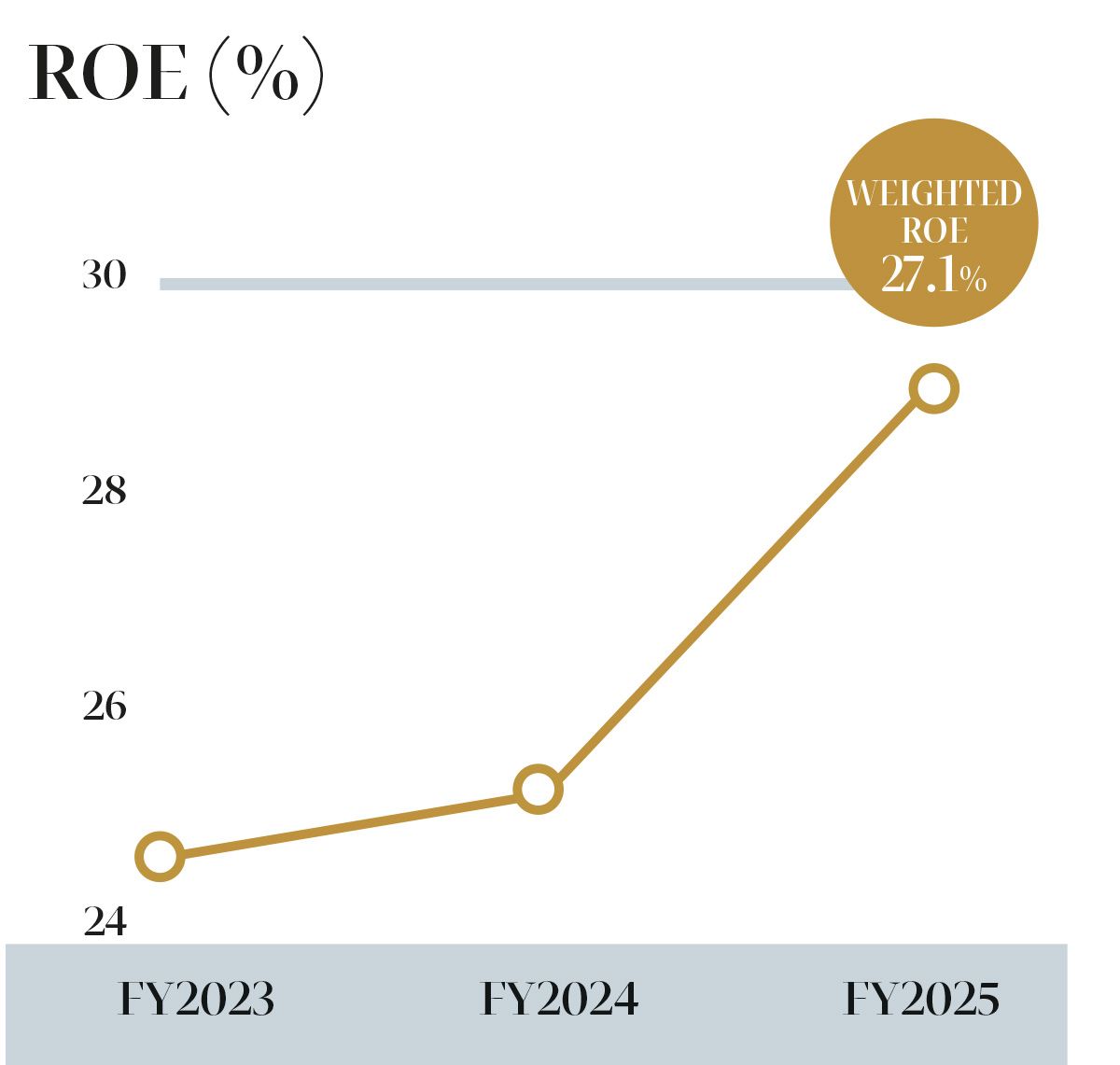
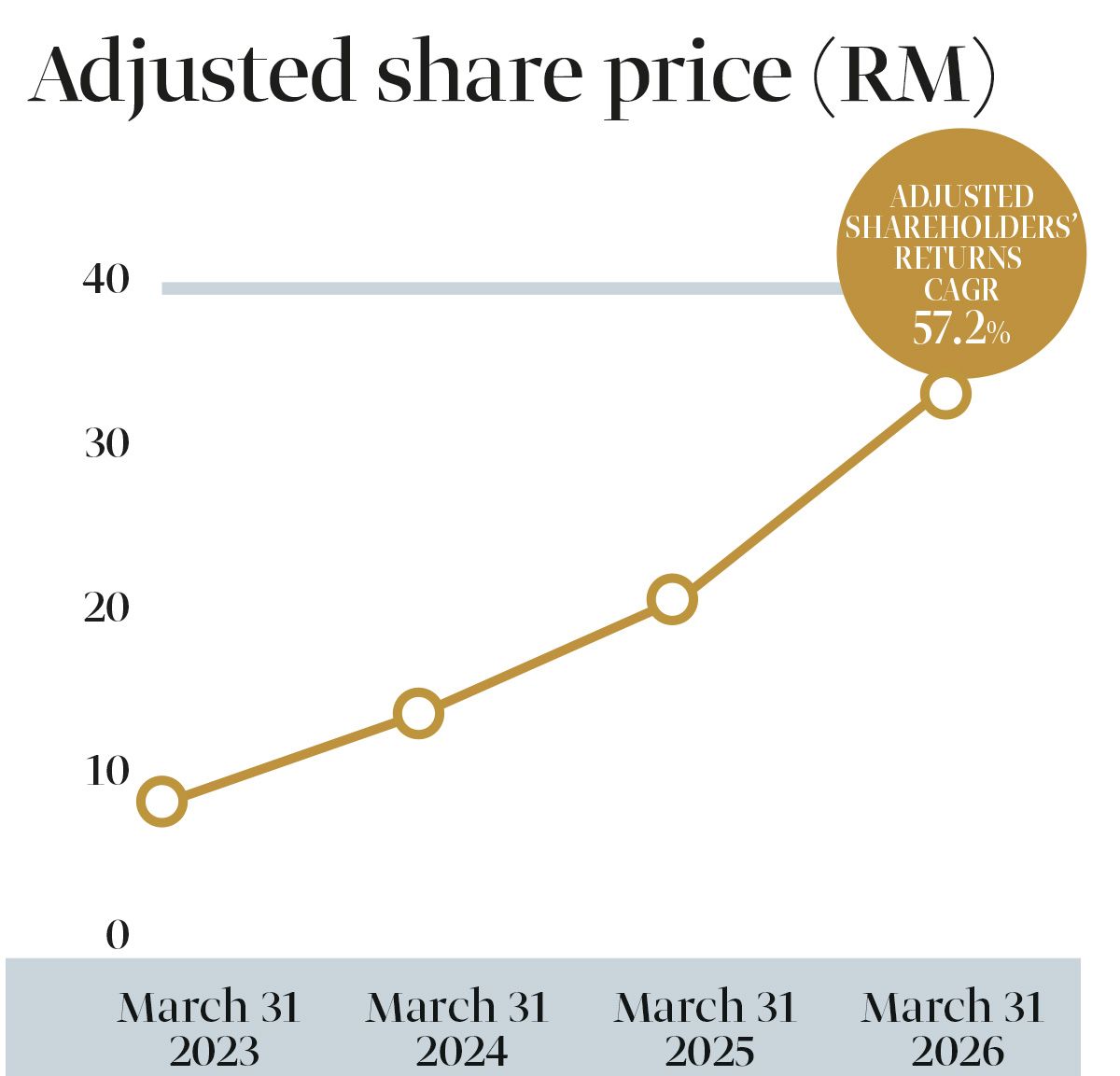
This latest record high led to its PAT three-year compound annual growth rate (CAGR) of 13.9% itself supporting the weighted ROE of 27.1% during the three years in review, and shareholder returns CAGR of an eye-watering 57.2% with its adjusted share price nearly quadrupling from RM8.76 on March 31, 2023, to RM34 on March 31, 2026.
The stronger earnings were underpinned by higher production across the group despite challenges from severe flooding in November that temporarily disrupted its Malaysian plantation operations.
CPO production rose 11.8% to a record 286,139 tonnes in 2025 from 256,009 tonnes in 2024. Fresh fruit bunch (FFB) yield also reached a record 29.31 tonnes per hectare, up from 28.10 tonnes per hectare a year earlier, while the average oil extraction rate (OER) improved to 22.44% from 21.11%. Palm kernel production increased 15.8% to 57,750 tonnes in 2025 from 49,883 tonnes in 2024.
UP’s upstream earnings growth more than offset the headwinds in the downstream segment, where intense competition compressed margins. The group also weathered a sectorwide review in Indonesia involving historical land-use zoning overlaps affecting the plantation industry, including a small area in its concession.
Nevertheless, UP said in its 2025 annual report that it had operated under valid titles and prevailing regulations and remained in constructive dialogue with the authorities, with a resolution expected in 2026. The matter is limited in scope and is not material to the group’s financial position or operations, it added.
Founded on Danish and Malaysian expertise and resources, UP has grown from a modest beginning in 1906 into a group with a total land bank spanning about 62,500ha. Of this, 83%, or 51,000ha, is cultivated in Perak and Selangor while the remaining 17% is in Central Kalimantan, Indonesia.
Looking ahead, UP is mindful of the challenges 2026 may bring, particularly amid uncertainties surrounding geopolitical conflicts and the lagged impact of recently imposed tariffs, said vice-chairman and chief executive director Datuk Carl Bek-Nielsen.
“In this environment, we are preparing for developments that may influence the demand and supply outlook for vegetable oils, including palm oil, potentially leading to softer price levels. In addition to rising labour costs, the cost of energy, fertilisers, chemicals and building materials is expected to remain elevated, thereby exerting upward pressure on our cost base,” he added.
Ongoing initiatives include mechanisation and replanting with the latest superior in-house planting materials as an outcome of the development of its own Seed Production Complex, he said in the annual report.
On the price outlook, Bek-Nielsen said UP would closely monitor three key factors: Indonesia’s progress towards the B50 biodiesel mandate; palm oil production in Malaysia and Indonesia, which will depend largely on weather conditions, labour availability and uncertainties surrounding land reclassifications in Indonesia; and global economic growth sentiment, which will influence overall demand for vegetable oils.
Beyond the cyclicality factors, the plantation sector is not insulated from other global shocks, including commodity price volatility as the Iran conflict continues to wreak havoc on supply security, shipping costs and economic activities. Southeast Asia is also expected to be affected by what could be the hottest El Niño weather event in years, which could weigh on production, although in turn driving CPO prices higher.
In total, UP has broken its own profitability records for six consecutive years, when its net profit grew from RM283.29 million in FY2019 to the latest record high last year. As arguably one of the best plantation players out there, UP’s performance from here on will certainly be closely watched.
Save by subscribing to us for your print and/or digital copy.
P/S: The Edge is also available on Apple's App Store and Android's Google Play.