


This article first appeared in City & Country, The Edge Malaysia Weekly on September 28, 2026 - October 4, 2026
As Budget 2027 approaches, property industry players are looking beyond measures to support homeownership, calling for broader reforms to address affordability, rising development costs, infrastructure, sustainability and urban regeneration. While continued support for buyers remains a common theme, the industry is also seeking more efficient approvals, targeted incentives and better coordination between housing, transport and infrastructure planning.
City & Country speaks to developers, consultants and industry bodies about their expectations for the Budget, which is to be tabled on Oct 9, and how its measures could support a more resilient and liveable property sector.

Gim Teck Yew
Gamuda Land
CEO
As Malaysia continues to grow and urbanise, there is an opportunity for Budget 2027 to support a more integrated approach to urban development, where infrastructure, mobility, community needs and climate resilience are planned together from the outset. Malaysia’s urban population accounted for about 77% of the total population in 2024, underscoring the importance of how future growth areas are planned and supported.
Malaysia already has established frameworks that recognise sustainable and low-carbon development. The next step is to strengthen the recognition and support for developments that can demonstrate measurable sustainability and resilience outcomes at township or precinct level.
This could include areas such as water resilience, biodiversity, carbon reduction and lower-carbon mobility. A broader, outcome-based approach would encourage developers to look beyond individual green buildings or features and consider how the wider township performs as a whole.
As new growth areas and urban centres emerge, public infrastructure and private development need to be better coordinated from the outset.
Transport connectivity, utilities, first- and last-mile solutions, pedestrian networks and cycling infrastructure play an important role in shaping how communities function. Across Gamuda Land’s Malaysian townships, we continue to see how improved connectivity and the progressive introduction of commercial and community infrastructure support township maturation and long-term appeal. Stronger alignment between infrastructure planning and development will therefore help create more connected and efficient urban areas, while reducing the need for costly interventions later.
Climate resilience should increasingly be considered at the planning stage rather than treated as a later intervention. Malaysia recorded RM636.9 million in flood-related losses in 2025, with public assets and infrastructure accounting for the largest share at RM380.2 million. All states were affected.
Blue-green infrastructure, natural water systems, greenery and climate-responsive design can help developments better manage issues such as flooding, urban heat and environmental pressures. Budget 2027 can help encourage wider adoption of these approaches by supporting developments that demonstrate measurable resilience outcomes.
By aligning these priorities with Malaysia’s long-term development goals, we can encourage more resilient, connected and sustainable urban growth.

Datuk Tony Ling
IJM Land Bhd
CEO
Budget 2026 introduced several meaningful measures that strengthened homeownership and confidence in the residential property market. Budget 2027’s focus should build on this momentum by making it easier, faster and more cost-effective to deliver quality homes while keeping homeownership within reach of more Malaysians.
Housing affordability begins long before a buyer signs the sale and purchase agreement, influenced by the entire development ecosystem — from regulatory and compliance requirements to infrastructure readiness, construction costs and access to financing. Managing these pressures more effectively will enable the delivery of quality homes at prices that remain accessible.
Continued support for homeownership initiatives, including the Home Ownership Campaign (HOC), broader stamp duty exemptions and enhanced financing assistance, would help sustain demand and widen access to homeownership.
Simultaneously, measures to moderate development costs and improve the efficiency of housing delivery are equally important. A review of compliance-related costs, approval processes and the impact of the expanded SST (sales and service tax) on construction services could help alleviate cost pressures and ultimately benefit homebuyers.
As Malaysia advances its sustainability agenda, greater policy support should be directed towards greener development practices. Enhanced tax incentives and financing support for green-certified developments, sustainable technologies and energy-efficient features would encourage broader environmental, social and governance (ESG) adoption while offsetting the additional investment required to deliver sustainable communities.
Housing affordability is not simply about lowering house prices, but requires a holistic approach addressing costs throughout the development process, improves housing delivery efficiency and creates an environment where private and public sectors can work together to increase access to quality homes.
Prioritising practical measures that support inclusive homeownership, improve development efficiency, encourage sustainable and responsible investment, and maintain a healthy and resilient property market will strengthen Malaysia’s housing ecosystem and create lasting value for homebuyers, communities and the broader economy.

Tan Mei Sian
IGB Bhd
Deputy group CEO
As Malaysia prepares for Budget 2027, our proposals include targeted fiscal policies to catalyse sustainable growth within the property ecosystem alongside addressing demographic shifts and market supply dynamics.
To drive greater adoption of sustainability and decarbonisation within the sector, we hope the government will expand the Investment Tax Allowance to cover a greater number of properties, thereby encouraging property owners to upgrade existing buildings. Tiered tax rebates for green building certifications alongside a “perform-to-earn” grant rewarding verified, ongoing energy and water savings would further accelerate green building adoption.
To replace the fragmentation of affordable housing, we recommend establishing a centrally managed Collaborative Affordable Housing Fund. Developer contributions to this fund will enable the government to construct consolidated, high-quality affordable homes in strategic urban areas with direct access to public transport, jobs and essential amenities, resolving the supply-demand mismatch for affordable housing development.
To foster public-first transit, Budget 2027 should offer grants incentivising local authorities to lower minimum car park requirements in transit-oriented developments (TODs). Fiscal incentives for shared parking as well as co-funding of pedestrian sidewalks and dedicated bicycle lanes will accelerate the creation of walkable, low-carbon cities.
We further hope that the government will reintroduce a refreshed HOC targeting completed stock to stabilise the housing market and generate strong downstream economic multiplier effects.
Lastly, to address Malaysia’s ageing demographic, we urge the government to provide grants, targeted incentives or tax deductions for senior living services and infrastructure. Supporting purpose-built, fully serviced senior accommodations will facilitate a smooth transition for retirees from traditional housing to a superior quality of life in their golden years.
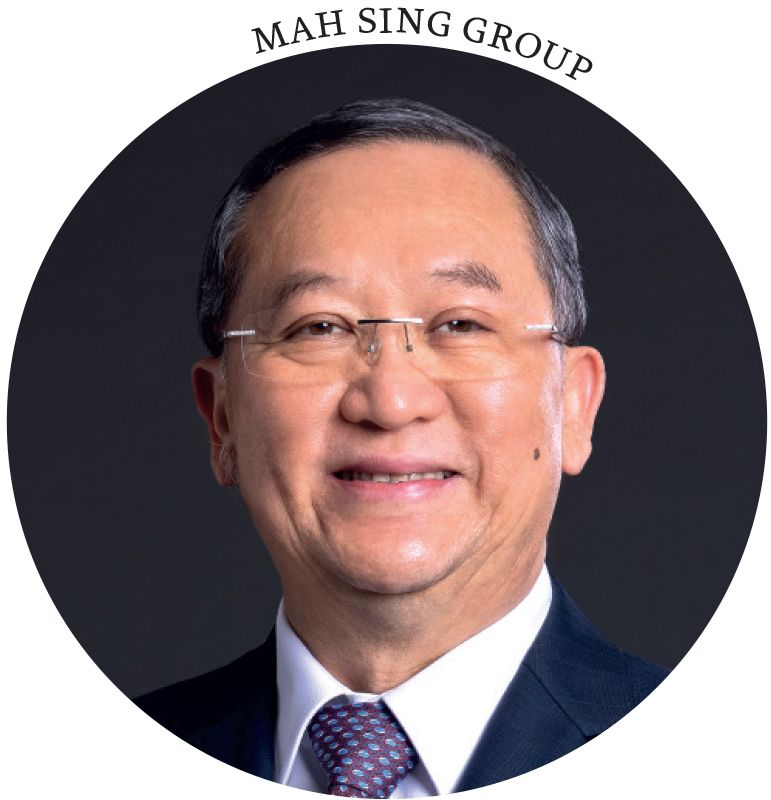
Tan Sri Leong Hoy Kum
Mah Sing Group Bhd
Founder and group managing director
As Malaysia prepares to table Budget 2027, Mah Sing Group Bhd (KL:MAHSING) has put forward five key policy recommendations aimed at enhancing homeownership, facilitating more efficient housing delivery and fostering the long-term sustainability of Malaysia’s property sector.
First, we believe homeownership should remain a key national priority, particularly for first-time buyers, young households and the M40 segment. To further strengthen homeownership, we support the continuation of stamp duty exemptions for eligible first-time homebuyers and the introduction of a refreshed HOC that delivers meaningful cost savings and reflects current market conditions.
While housing demand remains resilient, Mah Sing believes that access to financing remains one of the biggest barriers preventing many Malaysians from owning a home.
We encourage the government to continue strengthening access to financing through initiatives such as the Housing Credit Guarantee Scheme (SJKP), while reviewing the eligibility threshold for selected first-homeownership incentives and financing support, increasing it from RM500,000 to RM600,000 for homes in higher-cost urban areas, particularly across the Klang Valley.
Next, we encourage continued efforts to reduce unnecessary compliance costs without compromising governance standards. More efficient approvals will not only benefit developers but also enable homebuyers to receive completed homes sooner while supporting the government’s objective of improving public service delivery.
We also believe that future housing supply should be guided by a more data-driven approach that aligns developments with genuine market demand for location, product type and pricing.
In addition, urban renewal deserves greater policy attention. As more mature developments age, supportive policies and streamlined frameworks can facilitate regeneration while protecting the interests of existing owners and making more efficient use of scarce urban land.
At the same time, developers continue to face increasing costs for construction materials, labour, transportation, utilities and regulatory compliance. To remain competitive while maintaining affordability, the industry continues to adopt value engineering, digital technologies, prefabrication methods, better procurement strategies and stronger supply chain management to improve productivity, optimise resources and support more efficient and reliable project delivery.

Chai Keng Wai
Matrix Concepts Holdings Bhd
Co-CEO of property development and commercial
For Matrix Concepts Holdings Bhd (KL:MATRIX), we hope Budget 2027 will continue to strengthen Malaysia’s housing ecosystem by improving accessibility, financing options, housing delivery and long-term sustainability.
The SJKP is a positive step in improving financing accessibility. Its coverage could be expanded beyond first-time homebuyers to support Malaysians at different stages of their housing journey, including home upgrades and empty nesters whose housing needs change over time.
TODs can play a greater role in improving accessibility and connectivity while responding to Malaysia’s changing demographics. Beyond providing convenient access to public transport, TODs should incorporate senior-friendly features and essential amenities, allowing empty nesters to downsize into more manageable homes with convenient access to healthcare, services and community facilities. This can also free up larger homes for younger families.
Greater efficiency across the entire property development value chain can help reduce delays, improve cost certainty and enable the more timely delivery of quality homes. Streamlining processes across planning, approvals, construction and infrastructure delivery will create a more efficient ecosystem that benefits both developers and homebuyers.
Meanwhile, Malaysia’s ageing population calls for a rethink of future housing models. Senior living should be integrated within townships alongside healthcare, accessibility, connectivity and community facilities, supporting ageing-in-place and creating inclusive communities across generations. Matrix Concepts’ Bandar Sri Sendayan in Negeri Sembilan will soon welcome a senior care centre, a joint venture with Alpro Group and Mercy Senior Care Centre, reflecting our commitment to responding to the evolving needs of our communities.
As ESG requirements continue to evolve, greater alignment and streamlining of policies and regulatory requirements can help reduce compliance and implementation costs. A coordinated approach will encourage wider adoption of sustainable practices while helping to keep development and housing costs manageable for homebuyers.

Chu Wai Lune
OSK Property Holdings Bhd
CEO of Property Development
We believe that housing affordability should not only be measured by what buyers can borrow or repay. It should also reflect how much additional cost is embedded into a home before it reaches the buyer; hence, our first item on the wish list for Budget 2027 is to see the introduction of a housing affordability impact assessment framework for new development requirements.
Under this framework, significant new statutory charges, regulatory requirements, infrastructure obligations or utility requirements should be assessed for their estimated impact on the cost of delivering each home before implementation. It should also consider the cumulative effect of requirements imposed by different authorities, rather than evaluating costs in isolation.
We also support establishing a national infrastructure credit and cost-recovery framework for qualifying shared infrastructure for the first movers.
While the developers should bear the cost of major infrastructure directly required for their own projects, issues arise when the first developer in a growth area is required to fund major roads, drainage, utility networks or trunk infrastructure with capacity far beyond its own needs.
Such infrastructure often benefits multiple future developments and thousands of households, yet a disproportionate share of the initial cost can fall on the first mover.
We suggest that the framework determine the portions attributable to both the originating project and future beneficiaries. The latter could be recovered through infrastructure credits, offsets and proportionate contributions from subsequent developments or reimbursement mechanisms.
We are also hoping to see the establishment of build-to-rent (BTR) as a recognised institutional housing asset class in Malaysia.
A dedicated framework could provide clear planning treatment, minimum holding requirements, professional management standards, suitable long-term financing structures and participation by real estate investment trusts (REITs), institutional investors, government-linked investment companies and other long-term capital providers.
Any incentives should be tied to outcomes such as minimum holding periods, transparent tenancy terms, professional management and, where appropriate, affordable or mid-market rental components.
Pilot projects could begin in employment centres, university areas and transit-oriented locations where demand for quality rental housing is strongest.
BTR complements homeownership and rent-to-own schemes by providing secure, professionally managed housing for those not ready or not seeking to buy.
The next step is not only better rental regulation, but enabling better rental housing to be built at scale.
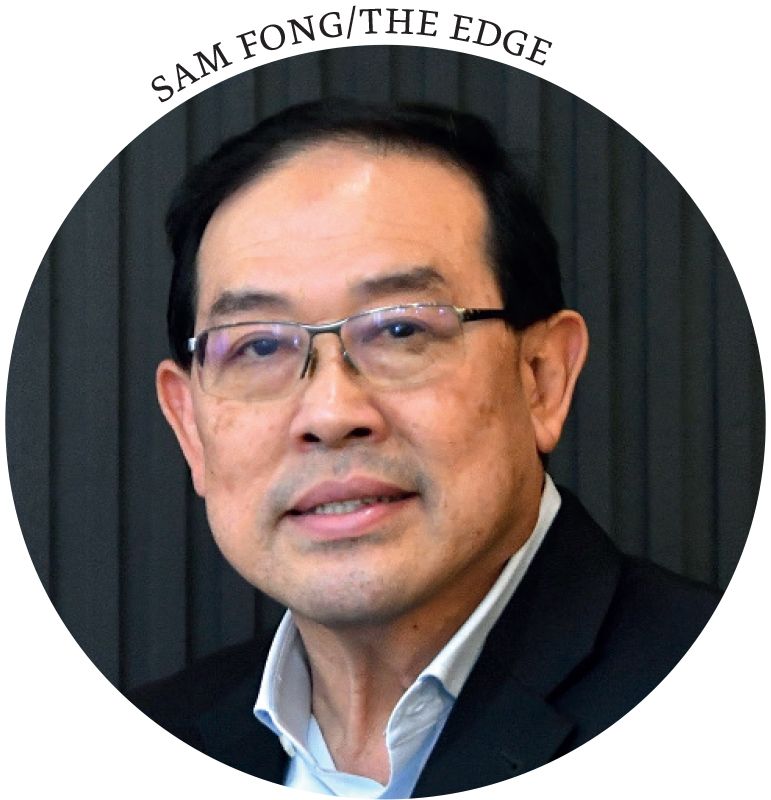
Datuk Zaini Yusoff
S P Setia Bhd
President and CEO
S P Setia Bhd (KL:SPSETIA) proposes that Budget 2027 introduce a balanced package of measures to strengthen Malaysia’s property development industry, improve housing affordability and restore market liquidity.
First, Setia calls for targeted fiscal support for purchases of new and unsold residential units, alongside an enhanced HOC. This should include substantial stamp duty exemptions on the instrument of transfer and loan agreement, supported by an appropriate minimum developer discount and clearly defined qualifying period. Eligibility should extend beyond first-time homebuyers to Malaysian purchasers acquiring qualifying residential units. Such incentives would stimulate demand, accelerate stock absorption, improve developers’ cash flow and enable capital recycling into new developments.
Second, homeownership assistance should be enhanced by extending stamp duty relief beyond the current RM500,000 threshold to residential properties priced up to RM1 million through a tiered mechanism for purchases from January to December 2027. Assistance should focus on eligible lower- and middle-income first-time purchasers and homes acquired for owner-occupation.
Third, Budget 2027 should expand access to flexible housing end-financing by enhancing SJKP and other government-backed guarantee mechanisms. This should support realistic cash-flow assessments for applicants with variable or non-traditional income, expand step-up financing and consider preferential introductory rates for eligible first-home purchasers, supported by appropriate government incentives or risk-sharing arrangements while maintaining prudent lending practices.
Budget 2027 should also introduce industry-wide fiscal incentives for adopting the latest technologies and digital tools such as Industrialised Building System (IBS), artificial intelligence and more across the property development value chain to improve productivity, quality, safety and delivery efficiency.
Green development incentives should be broadened through the long-term extension of Green Investment Tax Allowance (GITA) and Green Income Tax Exemption (GITE), purchaser stamp duty relief for certified green homes, wider qualifying expenditure and complementary local-level incentives.
A clearer government framework for building and property managers would strengthen strata governance, while a more competitive tax framework for Malaysian REIT distributions from Year of Assessment 2027 would support capital recycling, market competitiveness and reinvestment in new development.
Finally, Setia advocates a coordinated review of infrastructure, utility, statutory, regulatory and compliance-related charges, including Affordability Impact Assessments before new costs are imposed.

Shaharul Farez Hassan
UEM Sunrise Bhd
Managing director and CEO
Recent Budgets have introduced meaningful measures to support homeownership, and we hope Budget 2027 will continue this momentum. Stamp duty exemptions for first-time homebuyers, together with financing support through SJKP, higher Public Sector Home Financing Board loan limits and affordable housing allocations, have helped lower barriers to homeownership. The stamp duty exemption has proven highly effective, with around 77% of residential transactions over the past three years falling within the eligible price range.
To ensure affordable housing is delivered in the right locations and at the right price points, with realistic access to financing for buyers, a data-driven and location-sensitive framework would allow affordable housing requirements to better reflect local demand, employment centres, infrastructure readiness and buyer affordability.
There is also an opportunity to improve related mechanisms, such as the release of unsold bumiputera units after a reasonable holding period, while strengthening targeted financing support to ensure genuine bumiputera homeownership continues to advance.
Rising construction costs continue to affect project viability. Key material prices remain elevated, while compliance and professional service costs, as well as fragmented approval timelines, add further pressure. This places stress on contractors, particularly those locked into fixed-price contracts, which can create delivery risks for end-buyers.
IBS and Building Information Modelling (BIM) can reduce wastage, improve quality and shorten construction timelines, but adoption remains uneven due to significant upfront costs and skills requirements. Incentives should support not only manufacturers, but also developers and contractors who carry the actual adoption risk.
The industry also needs a reliable and predictable workforce pipeline. Labour shortages continue to affect construction capacity, while growth corridors such as the Johor-Singapore Special Economic Zone (JS-SEZ) are intensifying competition for skilled workers across property, industrial and data centre projects. A stable construction workforce pipeline, supported by technical and vocational education and training and Construction Industry Development Board Malaysia certifications, would help address these capacity constraints.
Budget 2027 could support wider use of cost-sharing mechanisms such as Variation of Price clauses, alongside measures to strengthen technology adoption and maintain a stable construction workforce.

Tan Ka Leong
CBRE | WTW
Group managing director
The current full stamp duty exemption for Malaysian first-time buyers is limited to homes priced up to RM500,000. Consider extending the relief to residential properties priced up to RM750,000, particularly in Kuala Lumpur, Selangor, Penang and Johor Bahru, where many reasonably located homes are priced above RM500,000. This would improve affordability for genuine owner-occupiers without relying solely on additional housing supply.
Encourage wider adoption of the build-then-sell (BTS) model through government-guaranteed construction financing, interest subsidies, tax incentives, deferred development charges and expedited approvals for participating developers. This could be complemented by stamp-duty or financing incentives for purchasers of completed homes, reducing buyers’ exposure to project completion risk.
Establish an Ageing Strata Residential Building Fund for low- and medium-cost strata residential buildings over 20 years old to support major repairs and upgrades. Subject to proper audits, procurement and building-condition assessments, the government could contribute RM1 for every RM2 from the building’s sinking fund. This would improve safety, liveability and long-term asset value for ageing residential stock.
For commercial properties, the government should extend the current GITA period beyond Dec 31, 2026, to Dec 31, 2030, with 100% investment tax allowance for certified green retrofits and a simplified approval process for projects below RM2 million. Eligibility should also be expanded to management corporations, joint management bodies, REITs and institutional building owners. This would encourage reinvestment in ageing commercial buildings as occupiers increasingly favour efficient and sustainable premises.
Much of the expenditure on building modernisation may currently be treated as capital building improvements without meaningful or immediate tax relief. This includes fire protection and life-safety systems, Building Automation Systems, waterproofing, indoor air quality improvements, and lift and escalator modernisation. The government could allow qualifying expenditure to be written off over two to three years, helping building owners manage upfront upgrading costs and encouraging timely modernisation.
Introduce a dedicated tax deduction for the refurbishment, repositioning and adaptive reuse of older offices, shopping centres and hotels. This would support the rejuvenation of existing building stock, reduce prolonged vacancy and obsolescence, and encourage urban renewal rather than relying mainly on new construction.

Tang Chee Meng
Henry Butcher Real Estate Sdn Bhd
Chief operating officer
In the face of a slowing property market weighed down by geopolitical conflicts and global economic uncertainty, it is hoped that the government will table a budget with sufficient growth boosters to support steady economic growth and inject stimulus to ensure the property market can maintain growth.
The current full stamp duty exemption on transfer instruments and loan agreements for the purchase of homes by first-time homebuyers for houses priced up to RM500,000 is due to expire on Dec 31, 2027. To support the residential property market, especially for the B40 and M40 groups, it is hoped that the government will continue to maintain the stamp duty exemption and even extend it beyond 2027.
The stamp duty on residential property transfers by non-citizens and foreign companies has been raised from 4% to 8% in last year’s budget. To support the slowing domestic property market, the government could look into reverting to the 4% stamp duty rate for foreigners to draw more interest to the higher end of the residential market. This will help developers improve cash flow and provide them with the capital to launch more projects and, in particular, build more affordable homes.
It is also hoped that the government continues allocating adequate funds to the scheme to help the B40 and M40 groups buy and own their first homes, stimulating demand for this segment.
At the same time, the government should continue allocating sufficient budgets to fund the building of affordable homes, especially as it has set an ambitious target of building one million affordable homes by 2035 under the National Housing Policy 2026-2035.
More importantly, the government should focus on stimulating economic growth, as this will boost investors’ confidence, improve sentiment and generate transactional activity in the property market.
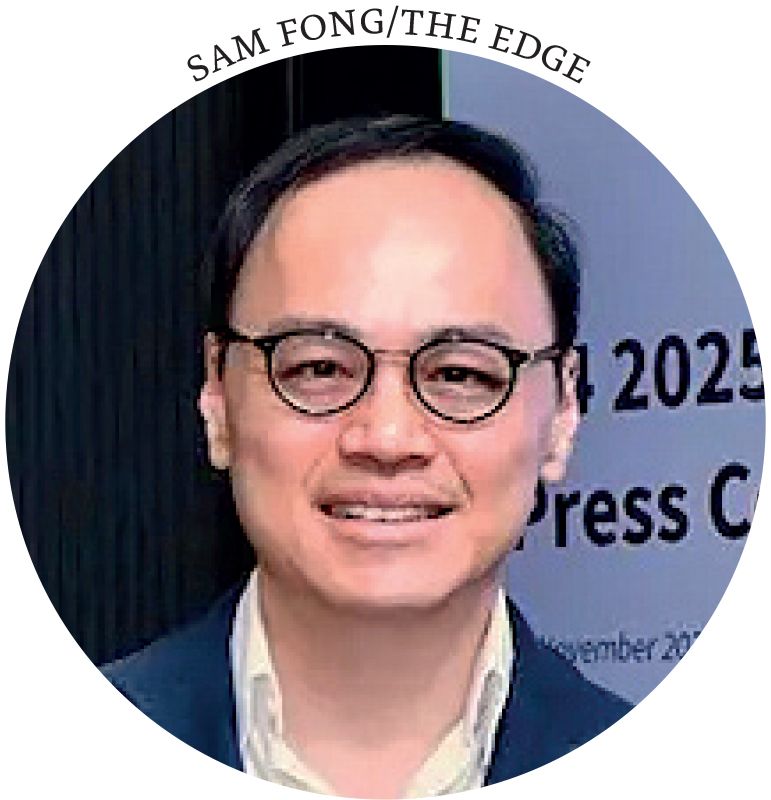
Jamie Tan
JLL Malaysia
Managing director
Budget 2026’s tax deduction for converting commercial buildings into residential use is a commendable first step, but a more holistic approach is needed to bring residents back into our city centres. Malaysia’s challenge is not simply a shortage of homes, but a mismatch between supply, affordability and product type.
A better approach would be an urban regeneration incentive covering projects that repurpose ageing buildings for mixed-use development, with higher incentives for affordable housing; as well as projects with public transport connectivity, childcare and community facilities, heritage preservation and green upgrades. Essentially, we should incentivise successful urban regeneration, not conversion for its own sake.
The government should review the framework for commercial waste management, particularly where businesses have limited choice of service providers. With Act 672 (Solid Waste and Public Cleansing Management Act 2007) being extended to Selangor, we must ensure that centralisation does not come at the expense of competition, pricing transparency or service quality.
While standardising service delivery is reasonable, SMEs (small and medium enterprises) should have greater clarity on rates, service standards and what recourse businesses have when services fall short. With the cost of doing business already rising, waste management should not become another financial burden.
The government should address the cascading effect of the SST, particularly in the construction industry, where projects involve complex supply chains and contracts worth millions of ringgit.
While B2B (business-to-business) exemptions have been introduced, SST still lacks the broad input-tax-credit mechanism available under GST, potentially leaving tax embedded at various stages of the supply chain. This risks adding to construction costs and, ultimately, property prices. There is also a similar concern with stamp duty, where separate subcontract and main-contract instruments can result in overlapping stamp duty costs along the contractual chain.
While the quantum may be smaller, it is nevertheless an unnecessary cost burden. Since the government is considering combining elements of GST with SST, it should engage tax experts and industry stakeholders to develop practical mechanisms to reduce these overlapping costs.

Keith Ooi
Knight Frank Malaysia
Group managing director
Affordable housing delivery remains fragmented, resulting in mismatches between supply location and actual demand. We recommend consolidating existing affordable housing schemes under a single national framework, fully supported by a centralised demand-and-supply data system to guide pricing and siting decisions. This would reduce the cross-subsidisation burden currently falling on M40 buyers and give developers clearer, evidence-based signals on where to build.
We recommend Budget 2027 set a timed pathway towards mandatory green certification for new residential and commercial developments above a defined threshold, phased in over two to three years and paired with an extended GITA to offset the incremental cost of compliance for mid-market projects. Certified stock in Malaysia remains a fraction of total built area; a clear mandate would materially improve asset resilience and long-term investor confidence in the sector, while the accompanying tax offset ensures the cost is not passed through to buyers.
Foreign buyers currently face a flat 8% stamp duty nationally, but a separate remission applies within the Forest City Special Financial Zone, creating an inconsistent and difficult-to-navigate landscape for international investors. We recommend standardising treatment across the country. That is, providing a single, clearly published rate and eligibility framework, regardless of zone or MM2H (Malaysia My Second Home) linkage, to give investors certainty and reduce transactional friction.
Residential transactions declined in both volume and value year on year in the first quarter of 2026. The extension of stamp duty exemptions to additional residential property purchase brackets would serve to stimulate the residential market as an engine for economic growth, furthering the national housing agenda while addressing the needs of the people amid ongoing macroeconomic headwinds.

Dexter Koh
Malaysian Institute of Architects (PAM)
President
PAM urges Budget 2027 to focus on reforms that improve productivity, public safety and sustainability in the built environment. Aligned with the Ekonomi Madani vision, these proposals centre on three key areas: safeguarding public interest and elevating civic design; modernising infrastructure and strengthening climate resilience; and improving governance and building a future-ready industry.
To safeguard public interest and elevate civic design, PAM recommends mandating open architectural competitions for major public projects to promote transparency and high-quality public edifices. Fair procurement is also necessary to protect public safety and project quality by enforcing statutory professional fee scales and preventing contractors from compromising design oversight.
Modernising infrastructure and building climate resilience requires a National Retrofit Fund — a multi-year programme to audit and upgrade ageing public facilities. Priorities should include energy efficiency under the Energy Efficiency and Conservation Act (EECA 2024), fire safety, universal accessibility (Design for All) and lifecycle asset management.
PAM also recommends extending GITA and GITE incentives to cover professional green design, flood resilience, urban heat mitigation, carbon modelling and low-carbon construction. Measurable long-term performance should be rewarded over short-term builds.
Efficient governance also requires streamlined digital development approvals. An integrated platform linking land, planning, building and technical agency approvals, with real-time tracking, could eliminate costly delays.
IBS scoring should be revised to emphasise actual productivity, safety and waste reduction over rigid component quotas. BIM adoption should also be phased in, with support through targeted grants, tax incentives and standardised national requirements to ease software, hardware and training costs. This would build future-ready capabilities while supporting smaller architecture practices.
Ultimately, this is about supporting more than one industry. It is about investing in better public assets, faster and more transparent approvals, skilled professionals and a built environment capable of meeting Malaysia’s economic, environmental and social challenges — building safer, greener and more liveable communities.

Kenneth Liew Kiam Woon
Master Builders Association Malaysia (MBAM)
President
MBAM has put forward a set of proposals for Budget 2027, built around five main pillars.
The first is strengthening financial resilience and liquidity. MBAM is calling for a targeted diesel and logistics subsidy to ease rising machinery and transport costs, government-guaranteed financing to help contractors bridge cash flow gaps from sudden price hikes, and tax relief measures including deferred corporate tax and double deductions for green technology and IBS-related costs.
The second pillar focuses on modernising the contract framework. This includes rolling out a variation-of-price mechanism across all government projects to better reflect global market volatility, encouraging private developers to adopt similar clauses for ecosystem-wide stability and a clear no-retrospective-effect policy ensuring new taxes or levies in Budget 2027 will not apply to contracts already underway.
Third, MBAM wants to accelerate the digital and ESG transition through enhanced tax exemptions along the supply chain to lower barriers to IBS adoption, and ESG compliance grants offering financial and technical support to help local SMEs meet tightening environmental and governance standards.
Fourth, the proposals aim to protect local participation via a national strategic reserve of critical construction materials to guard against supply shocks, and stricter fiscal criteria to prioritise local contractors and workforce in national development projects.
Finally, MBAM calls for more mega-infrastructure projects to sustain construction demand, create jobs and strengthen Malaysia’s long-term competitiveness.
Together, these five pillars — resilience, contract reform, sustainability, local protection and mega infrastructure development — represent MBAM’s core request to the Ministry of Finance: breathing room on costs, fairer and more predictable contract terms, support to modernise and go green, stronger safeguards for the domestic industry and a strong pipeline of large-scale projects to power growth.

Saleha Yusoff
Nawawi Tie Leung Property Consultants Sdn Bhd
Executive director, regional head of research and consulting
For Budget 2027, we hope to see greater emphasis on ensuring that Penang’s strong investment and infrastructure momentum translates into sustainable property market growth and improved housing accessibility.
First, housing affordability should remain a priority. While Penang continues to attract investment and higher-value employment, rising development and construction costs are increasingly challenging the delivery of homes affordable to the local population. We would welcome targeted measures to reduce development costs and facilitate financing for genuine homebuyers, particularly first-time buyers, while incentivising appropriately priced housing in well-connected locations.
Second, Budget 2027 should capitalise on the Mutiara LRT investment by supporting TODs around key stations. The line will connect major employment, residential and commercial nodes, including the airport, Bayan Lepas Free Industrial Zone, George Town and Penang Sentral. Fiscal and infrastructure incentives that complement state planning initiatives could encourage higher-density mixed-use development around selected stations, promote public transport usage and reduce dependence on private vehicles.
Third, continued infrastructure investment is essential to sustain Penang’s expanding industrial and technology ecosystem. Penang recorded RM22.4 billion in approved manufacturing investments in 2025, expected to generate about 24,600 jobs. Looking ahead, the 2,300-acre Silicon Island alone is projected to create some 220,000 jobs by 2050. This scale of employment creation will require investment beyond industrial facilities, particularly in housing, transport, utilities and supporting commercial and community amenities. Budget 2027 could therefore consider dedicated infrastructure support for key employment corridors, such as Bayan Lepas–Silicon Island and Batu Kawan.
Ultimately, Budget 2027 should help translate Penang’s investment success into balanced real estate growth while maintaining affordability and liveability for its local community.

Samuel Tan
Olive Tree Property Consultants Sdn Bhd
Founder and CEO
Budget 2027’s theme is shifting from building more houses to building liveable and sustainable housing. The government has indicated that housing policies will prioritise affordability relative to location, specifically targeting developments near public transport and major employment centres.
With rising material and labour costs, developers are lobbying for digitised, streamlined approvals to lower holding and compliance costs. We expect red-tape-cutting initiatives to speed up housing delivery, alongside targeted tax allowances for developers adopting value engineering, prefabrication or green technologies in line with national ESG goals.
Budget 2027 must address the widening gap between stagnant wages and property prices. Key initiatives that could be reintroduced include reviving the HOC, a proven mechanism to clear overhang stock and sustain owner-occupier demand.
Financing access remains a hurdle for gig economy workers and self-employed professionals. Increasing the SJKP eligibility threshold from RM500,000 to RM600,000 in high-cost urban areas would help the middle-income demographic, while a tiered stamp duty exemption for first-time homebuyers in the RM500,000-to-RM1 million bracket would ease the financial squeeze on the urban middle class.
The JS-SEZ already offers a 5% corporate tax rate for up to 15 years and a 15% flat income tax rate for eligible knowledge workers. Budget 2027 could introduce targeted real estate and infrastructure initiatives to accelerate its growth by lowering the minimum threshold for foreign property buyers within the JS-SEZ and Forest City Special Financial Zone; extending the 15% flat personal income tax to high-level urban planners, sustainable property developers and logistics engineers building the zone’s infrastructure; offering tax allowances to investors converting older landed properties or industrial sites into high-yield commercial venues or advanced Roll-on/Roll-off logistics hubs near the Rapid Transit System link; and granting grants or tax breaks to developers that integrate renewable energy microgrids or liquid cooling systems to meet data centre power and water needs without straining residential utility supplies.

Sulaiman Saheh
Rahim & Co Chestertons
Senior director of research and consultancy services
As Malaysia enters the second year of the 13th Malaysia Plan, Budget 2027 presents an opportunity to shift the conversation from introducing new policies to achieving better outcomes from those already in place. In addition to targeted financial assistance and structural economic reforms, there should be greater focus on direct incentives for homeowners, occupiers and industry players to enhance the property sector’s effectiveness in meeting Malaysians’ housing needs. The Ministry of Finance’s emphasis on outcome-based spending, implementation excellence and removing delivery bottlenecks is a welcome direction for the property sector.
The recently launched National Housing Policy 2026-2035 is a positive step towards needs-based planning. Budget 2027 should build on this through a more data-driven housing ecosystem that aligns supply with household incomes, demographic trends and local demand. Greater data-sharing among ministries and data-keepers would help address the longstanding mismatch between supply and affordability.
The housing agenda should move beyond counting units built. Homeownership rates should be measured against formal housing units with proper services, rather than simply any form of living quarters. More importantly, the question is whether Malaysians can access, afford and sustain suitable housing throughout different stages of life.
It is expected that the government will continue to expand homeownership initiatives for first-time buyers through stamp duty exemptions, housing loan interest tax relief and financing guarantee schemes for young Malaysians, gig workers and the self-employed. Existing programmes have proven their value and should be scaled up. However, housing accessibility should also encompass professionally managed rental housing, rent-to-own models and financing solutions for vulnerable groups. Any legislation to regularise the tenancy market should balance the needs of tenants and landlords to maintain a vibrant market.
For cities, the focus should shift from expansion to regeneration. Incentives for redeveloping ageing buildings, adaptive reuse of underutilised commercial assets and transit-oriented developments can unlock economic and social value, while ensuring fair treatment for existing owners. Public transport investments should also be measured by their ability to enhance urban liveability, strengthen commercial activity and improve housing accessibility.
Ultimately, Budget 2027 should prioritise execution, coordination and accountability, with a focus on delivering measurable benefits to the rakyat on the ground. The next phase of growth is not about having more policies, but ensuring existing initiatives deliver.

Datuk Zaini Yusoff
Real Estate and Housing Developers’ Association Malaysia (Rehda)
President
While the National Housing Policy 2026–2035 seeks to better align housing supply with actual demand, immediate intervention is needed to facilitate the absorption of existing unsold completed residential units. Rehda proposes introducing a Special Home Ownership Campaign 2027 for unsold completed properties with a Certificate of Completion and Compliance (CCC) to improve market liquidity and enable the recycling of capital into new development.
To ease upfront purchase costs for prospective buyers who can service monthly repayments, Rehda suggests extending the current stamp duty relief to residential properties priced between RM500,000 and RM1 million through a tiered mechanism throughout 2027.
Access to end-financing remains a major barrier, particularly for young Malaysians, the self-employed and gig-economy workers. Enhancing government-backed mechanisms such as the SJKP and expanding step-up financing with lower initial repayments will significantly broaden access to homeownership nationwide.
Lowering housing delivery costs requires a coordinated review of government-imposed fees — such as infrastructure, utility, statutory and compliance charges — to prevent cumulative cost burdens from affecting consumer affordability. Affordability Impact Assessments should be mandated for new regulatory policies and standards. To accelerate construction technology adoption, high upfront costs associated with BIM, IBS and artificial intelligence must be eased. Rehda proposes targeted fiscal incentives, including accelerated capital allowances for technology software and hardware expenditure, alongside double tax deductions for implementation, integration, cybersecurity and training costs.
To promote sustainable housing, Rehda advocates extending the GITA and GITE schemes for 10 years to provide long-term policy certainty. In addition, it recommends tiered stamp duty exemptions for purchasers of certified green homes — offering 100% relief for platinum, 75% for gold, 50% for silver and 25% for bronze ratings — encouraging sustained investment in green property development.

Datuk Paul Khong
Savills Malaysia
Group managing director
The property sector has been operating below its maximum potential for some years. As one of the largest contributors to investment, employment and economic activity, the sector deserves greater attention in Budget 2027.
To help reignite market momentum, we hope the government will consider several measures for 2027. These include exempting or reducing RPGT (real property gains tax) to stimulate property transactions, improve market liquidity and encourage investment.
Stamp duty exemptions should also be extended beyond first-time homebuyers to cover residential, commercial, industrial and investment properties, generating greater economic impact. At the same time, the 8% foreign purchaser stamp duty should be reviewed. While protecting local interests remains important, a flat 8% rate may discourage investment, and a more balanced approach could help boost demand in the mid-range and high-end sectors.


More targeted efforts are also needed to address property overhang, reduce unsold inventories and improve market absorption. Urban regeneration initiatives should likewise be re-accelerated, moving beyond policy for the redevelopment and adaptive reuse of ageing buildings to revitalise cities and unlock underutilised assets.
Continued support should be given to industrial, logistics and data centre developments, which remain key growth drivers and are critical in attracting high-quality investments in 2027. Policies to attract foreign direct investment should also be enhanced, with new incentives to encourage greater foreign investment in real estate, infrastructure and strategic industries.
The property sector is more than just bricks and mortar. It is a major economic multiplier that drives investment, creates jobs and stimulates business activity.
Budget 2027 should focus on measures that move the market, attract capital and strengthen investor confidence. A vibrant property sector will contribute directly to a stronger and more resilient local economy.
Save by subscribing to us for your print and/or digital copy.
P/S: The Edge is also available on Apple's App Store and Android's Google Play.