

(Sept 30): China’s latest economic stimulus package appears designed to keep economic growth on target rather than deliver a broad revival, underwhelming investors who worry it’s leaving the country’s underlying demand weakness largely unaddressed.
Government agencies unveiled mortgage subsidies and expanded central bank support for targeted sectors after markets closed Tuesday. The State Council, China’s cabinet, pledged a day earlier to introduce “a package of practical and effective additional policies” to meet this year’s economic and social development goals.
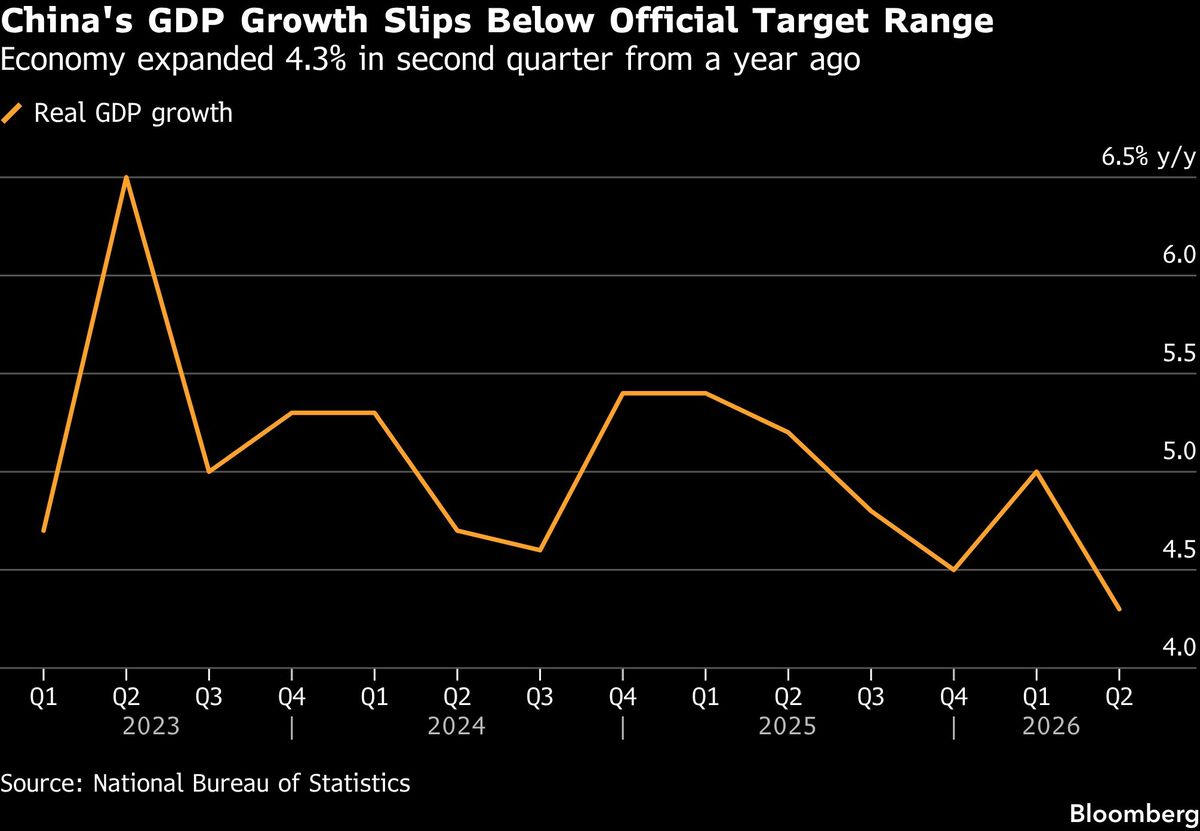
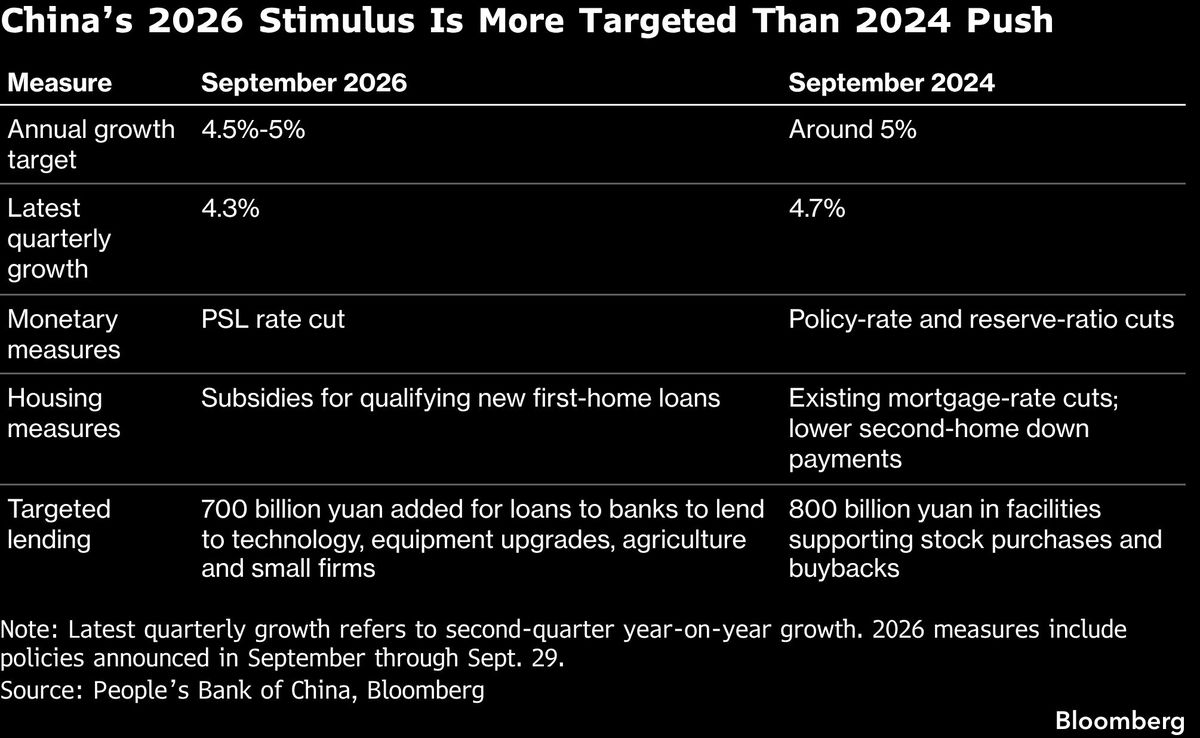
The moves amount to the biggest stimulus effort since September 2024 and make it more likely China will meet its annual growth target of 4.5%-5% after the pace slipped below that range last quarter. While the measures announced so far are targeted and received little cheer from investors, they are set to give further momentum to an economy already showing signs of bouncing back after a slowdown.
“It should spur growth enough to hit the lower end” of the range, said Duncan Wrigley, chief China economist at Pantheon Macroeconomics. But “it won’t solve China’s structural imbalances, with sluggish domestic demand and high reliance on exports,” he said — a view shared by many.
The restraint reflects policymakers’ desire to stabilise the economy without resorting to a broad fiscal expansion. Since the difference between recent growth and the official target is just 0.2 percentage point — versus a gap of 0.3 to 0.4 percentage point back in 2024 — this year’s efforts need not be as muscular, said Wrigley.
Among the announcements made Tuesday:
- The Ministry of Finance will provide mortgage subsidies for qualified home buyers starting on Thursday.
- The People’s Bank of China expanded the quota for lending-support programmes for banks to finance infrastructure projects and lend to targeted sectors including technology and small firms.
- The PBOC also reduced the one-year interest rate on its pledged supplementary lending facility — low-cost financing it provides to policy banks to fund investment — by 25 basis points, to 1.5%.
The action followed months of deterioration in economic indicators that suggested a further loss of momentum in the wake of a disappointing second quarter. It also demonstrates that, two years on from the sweeping package that had electrified markets, China’s domestic demand is insufficient to sustain the gross domestic product gains that leaders want.
The measures appeared underwhelming to investors, with the yield on the government’s 10-year bonds little changed at 1.67%. A gauge of Chinese developers’ shares fell as much as 4.7% before recouping losses and trading slightly higher, after increasing in the previous session before details of the mortgage subsidy were announced.
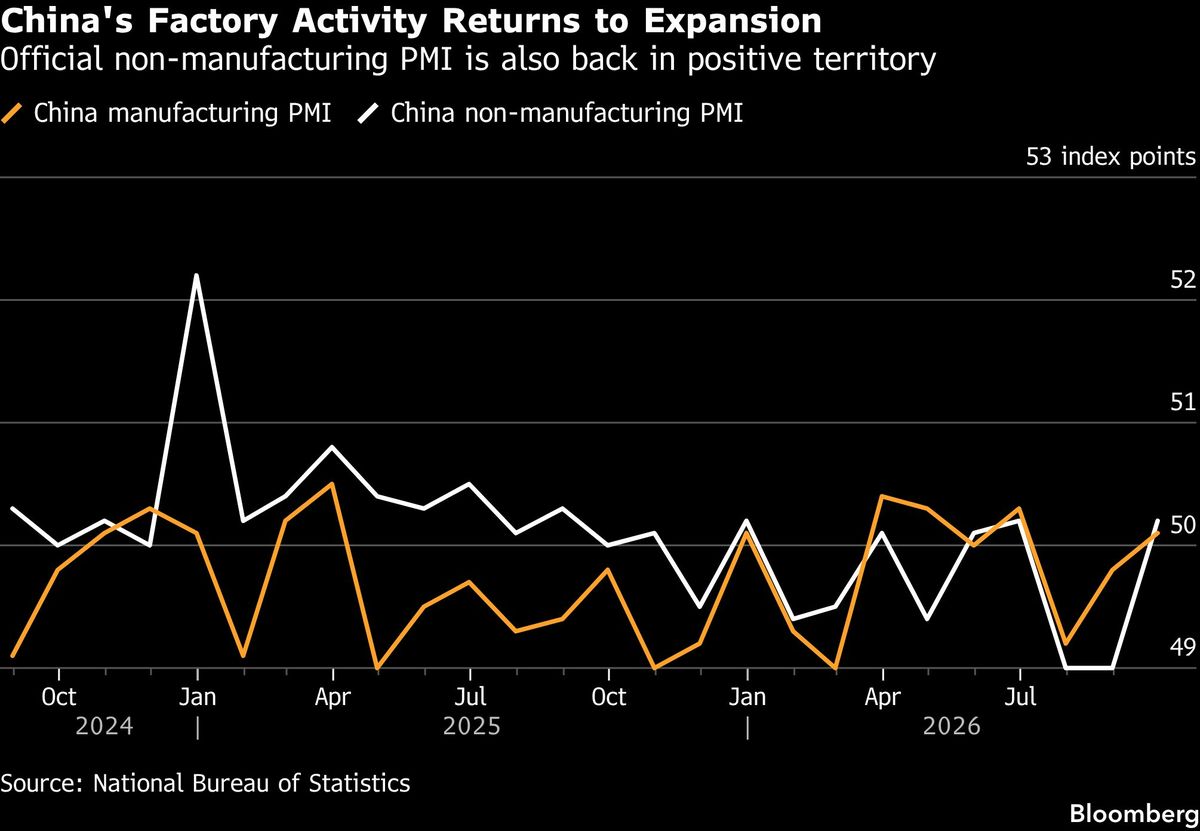
With the summer storms and floods that disrupted factories and building sites now subsiding, economic activity is already starting to pick up. China’s manufacturing purchasing managers’ index expanded in September for the first time since June, while the measure of construction activity snapped an eight-month streak of declines, according to official data released Wednesday.
The announcements were largely in line with expectations for targeted support rather than broader easing. Before the details emerged, Macquarie economists including Larry Hu had anticipated a “mini stimulus” aimed at doing just enough to secure the growth target.
As usual, investment is emerging as the centrepiece of the new stimulus plan, with fiscal policy expected to do much of the heavy lifting. The State Council has tipped the deployment of unused local bond quotas from previous years.
Economists broadly anticipate local governments to be allowed to draw on 500 billion yuan (US$74.6 billion or RM304.35 billion) of the unused bond quota, roughly half the total still available. That would be similar to what was granted in 2024 and 2025, respectively.
The government may release more specifics on its measures before the country goes on a week-long holiday from Thursday, said Zhaopeng Xing, senior China strategist at Australia & New Zealand Banking Group. The broader context is one of authorities prioritising stability ahead of a key meeting of the ruling Communist Party next month, he said.
Xing cited another consideration on the size: “Monetary policy is constrained by the external interest-rate environment.” In other words, any major rate cuts by the PBOC at a time when the US Federal Reserve is raising its benchmark could put downward pressure on China’s exchange rate and fuel capital outflows.
Trouble is, a modest package is unlikely to alter a focus on deleveraging by Chinese households and local authorities, according to Morgan Stanley economists led by Robin Xing.
The housing support announced Tuesday is expected to benefit lower-tier cities, given the floor-space and property-value caps the government has set for eligibility for the new mortgage subsidies. But it’s seen well short of a comprehensive bailout for the property market, where a depression continues to hurt revenues of local governments.
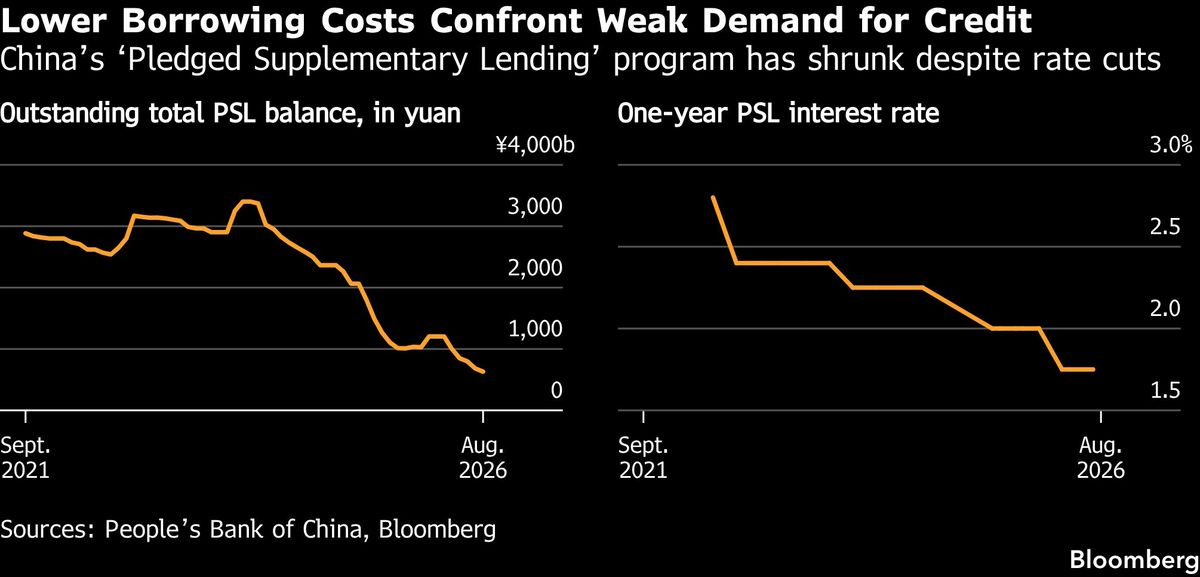
Xing and his colleagues said the risk is provincial and municipal authorities will be stuck with “policy tightening amid structurally lower land sales and elevated local government debt”. That will prove “pro-cyclical”, they said — worsening the weakness in demand rather than alleviating it.
Morgan Stanley is among those forecasting China’s full-year growth to come in near the lower end of the target range.
Ding Shuang, chief economist for Greater China and North Asia at Standard Chartered plc, argued that a more effective way to support growth would be to direct Beijing’s fiscal resources to “clearance of government hidden debt and arrears, which can mitigate downside risk”.
The property slump, along with a gloomy outlook on incomes, has left domestic demand languishing, with consumption growth grinding to near zero in recent months. A perceived lack of attractive projects — outside of the favoured high-technology and advanced manufacturing sectors — has also left investment spending in the dumps.
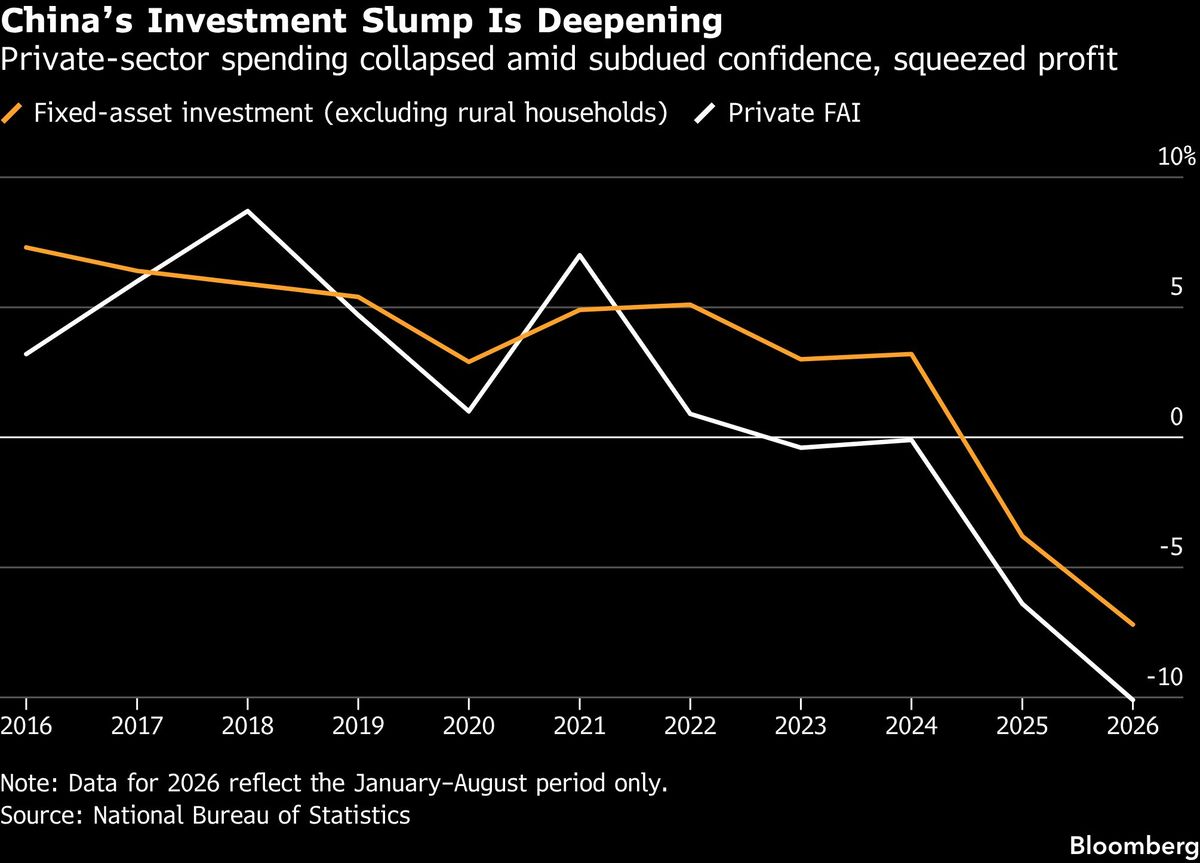
That’s left China’s growth primarily relying on exports, which have been stoked by the global artificial intelligence investment boom. Beijing policymakers remain focused on bolstering the tech sector at home, as well. Among the areas officials are directing expanded lending support is the so-called Six Networks infrastructure push.
That multi-trillion-dollar infrastructure initiative spans physical and digital systems from computing and telecommunications to logistics and underground pipe networks. The return on those investments, however, could be relatively low, ANZ’s Xing cautioned.
Uploaded by Chng Shear Lane