

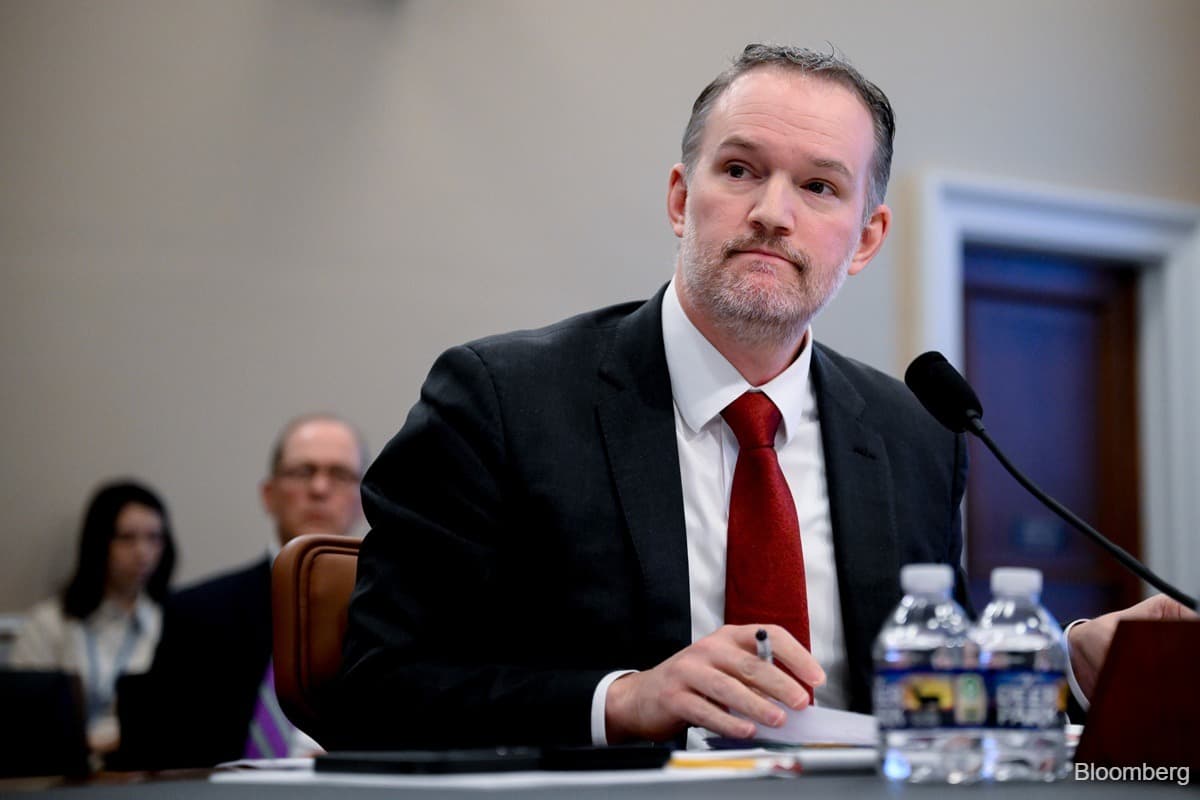
MILWAUKEE (Sept 29): US Trade Representative Jamieson Greer said on Tuesday that the Trump administration will take into consideration tariff caps negotiated in trade deals with countries as it weighs potential new duties in an investigation on excess industrial capacity.
Speaking to reporters ahead of a Group of 20 (G20) trade ministers meeting, Greer said he did not want to prejudge the outcome of a pending Section 301 investigation that is focused on excess capacity in China and other key trading partners.
"I don't want to get ahead of the report and proposed action, but I guess what I'll say on that is we value those deals, and we will certainly take them into account when we're looking at any outcomes of that report," Greer said.
"What I will say as well is that a lot of those deals, they actually, you know, as they're implemented, they go a long way to mitigating some of the impacts of excess capacity that might be present in those countries," Greer said after a roundtable of CEOs and trade ministers.
The Trump administration has used its presidency of the G20 summit process this year to bring attention to China's excess production capacity and over-reliance on exports for growth.
At the G20 finance ministers meeting in Asheville, North Carolina, at the beginning of September, all G20 member countries except China agreed to take actions against such policies.
The European Union is among 16 economies targeted by the excess capacity probe, along with Japan and South Korea. USTR has cited large EU trade surpluses, particularly on chemicals, machinery and vehicles in Germany and pharmaceuticals in Ireland as potential evidence of excess capacity.
Trade deals struck with the Trump administration by the EU, Japan and South Korea have capped US tariffs on their goods at 15%, while largely eliminating tariffs on US industrial goods. Greer has previously said that "a deal's a deal" when asked whether the US would abide by those caps.
The excess capacity probe was launched in March after the US Supreme Court struck down Trump's broad global tariffs imposed under a national emergencies law.
European Union trade chief Maros Sefcovic told the CEO roundtable on Tuesday that he welcomed the Trump administration's focus on combating excess industrial capacity at the G20 meeting. He added that the EU was pushing for reforms on excess capacity in the G20 framework and at the World Trade Organization.
He also said the EU was working towards deeper cooperation with the US and other allies on critical minerals to secure supply chains and avoid "weaponisation" of the materials, production of which is currently dominated by China.
Uploaded by Liza Shireen Koshy