

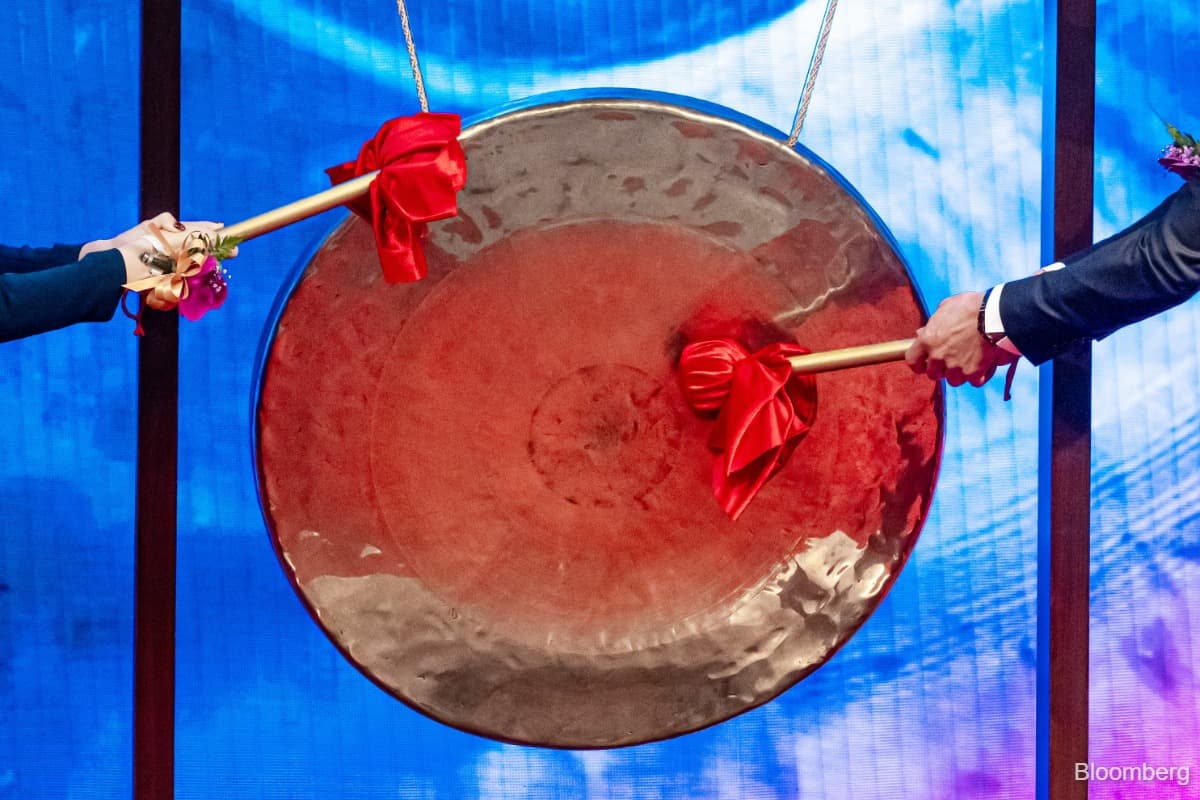
KUALA LUMPUR (Sept 29): Shenzhen HFC Co Ltd, which operates an advanced thermal and shielding materials manufacturing facility in Malaysia in partnership with Main Market-listed JF Technology Bhd (KL:JFTECH), saw its shares surge more than eightfold in their Shenzhen Stock Exchange debut.
Shares of HFC jumped to around 600 yuan from their initial public offering (IPO) price of 76.86 yuan per share at the opening bell, before hitting an intraday high of 630.01 yuan. The stock then retreated to 613 yuan at Tuesday’s noon break.
At the latest price, HFC had a market capitalisation of 45.93 billion yuan. The debut performance comes as explosive global demand for AI computing hardware has trickled down to specialised Chinese suppliers.
In July, Chinese memory chipmaker CXMT Corp also made a blockbuster market debut, with its shares soaring 466% on their Shanghai trading debut following Asia’s biggest IPO of the year.
Founded in 2003, Shenzhen-based HFC specialises in the research and development, manufacturing and sale of shielding, thermal conductivity, absorbing and magnetic materials.
In November 2023, HFC, through its wholly owned unit HFC Industry HK Ltd, entered into a joint venture agreement with JF Technology to incorporate HFC Tech Sdn Bhd, in which HFC holds an 80% stake and JF Technology the remaining 20%. HFC Tech operates a plant in Kota Damansara that designs and manufactures electromagnetic interference (EMI) shielding materials, thermal interface materials and absorbing materials.
For its IPO, HFC offered 18.73 million shares and raised 1.44 billion yuan.
According to its prospectus, HFC plans to use part of the proceeds to fund several projects, including 340 million yuan for an advanced electronic functional materials manufacturing base to expand production capacity for graphene thermal materials and liquid metals.
Another 230 million yuan has been earmarked for a research and development centre, while 100 million yuan will be used to expand its domestic and overseas marketing networks, 250 million yuan for supplementary working capital and 300 million yuan for a technology and development reserve fund.