

KUALA LUMPUR (Sept 28): Malaysia is seeing higher cargo flows and exports amid disruptions at the Strait of Hormuz and Bab-el-Mandeb, but some of these gains could reverse if shipping routes normalise, according to Penaga Research and Consultancy.
The research firm, which advises governments, developers, and investors on the design, financing, and operation of special economic zones across Southeast Asia, said Malaysia could use the current increase in diverted cargo to strengthen its ports, improve trade processes and attract longer-term supply-chain investment.
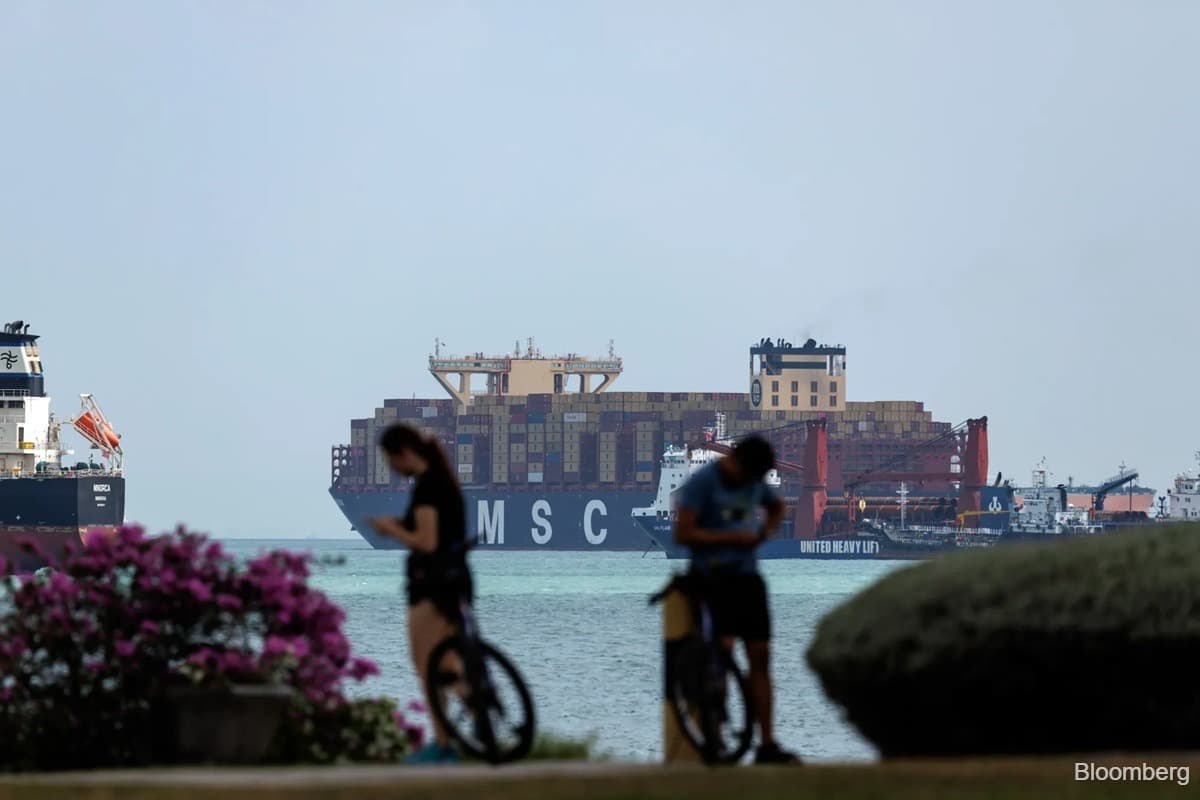
Port Klang’s container throughput rose 5.4% year-on-year to 6.38 million twenty-foot equivalent units (TEUs) in the first five months of 2026, while Westports’ transshipment ratio stood at 57.6%. Yard utilisation at Port Klang and Port of Tanjung Pelepas (PTP) was around 85% to 88%, with vessel waiting times at about one day.
Some cargo has also been diverted from Singapore and Gulf routes to Malaysian ports.
Penaga said in its report released Monday, planned capacity expansion could help Malaysia retain higher cargo volumes. This includes Westports’ Carey Island expansion and Northport’s development of container terminals CT10 to CT17.
It also highlighted the need to reduce documentation and customs friction along the Malaysia-Singapore trade corridor, which could support smoother cargo movement and make the additional flows more sustainable.
Malaysia’s exports rose 45.5% year-on-year to RM191.05 billion in August, while the trade surplus increased 77% to RM28.09 billion. Liquefied natural gas exports rose 52% and petroleum products 22%, while exports to the US, Taiwan and China increased 130%, 102% and 20%, respectively.
Electrical and electronics products, which accounted for nearly half of export value, rose 67%.
Penaga said the increase in shipping activity and exports should be distinguished from gains that can become embedded in Malaysia’s economy. Emergency rerouting and higher energy prices could unwind once disruptions at the major shipping chokepoints ease, while manufacturing investment, port capacity and supply-chain infrastructure could have longer-lasting effects.
The firm also noted that manufacturers are diversifying production beyond China, providing another opportunity for Malaysia to convert current trade flows into longer-term investment.
However, further escalation affecting Asian shipping routes could increase insurance costs and create new disruptions, potentially affecting the sustainability of current gains.