

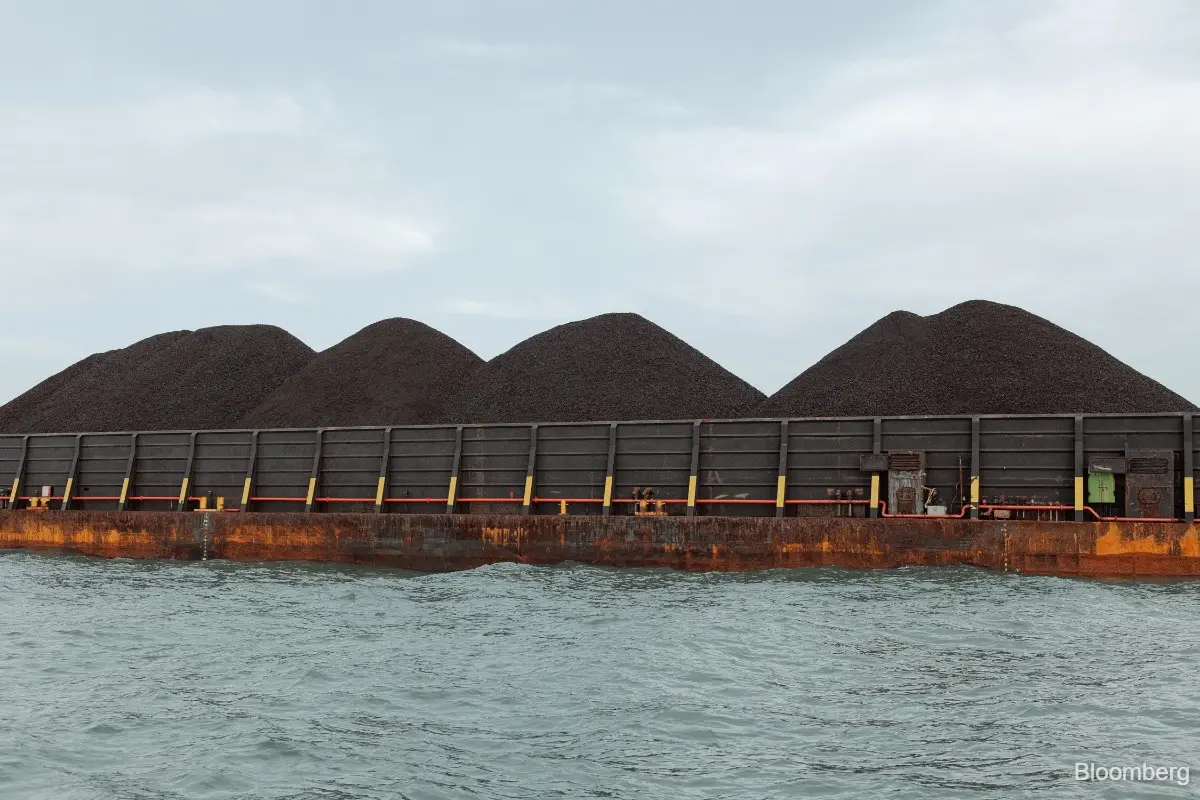
(Sept 28): Indonesia, the world’s biggest coal exporter, is failing to tap into soaring prices for the fuel as countries look to offset reduced natural gas supplies from the Persian Gulf.
At a conference in Bali, which is the highlight of the local industry’s calendar, traders are confronting some of the tightest supply conditions in years. Exports fell to a five-year low this month following the slashing of mining quotas by the government as well as low water levels at key barging rivers, DBX Commodities said in a note.
That comes as coal consumption is set to hit a record this year as demand is bolstered by higher gas prices — due to the near-closure of the Strait of Hormuz — and a strong El Niño that’s increasing air-conditioning requirements, according to the International Energy Agency. Indonesian coal buyers, including China, South Korea and Japan, have already been observed switching from gas to coal in their power mix.
“Demand is shifting but the market remains tight from a supply perspective,” said Muhamad Fadhil, senior vice president at Argus Media, said on a panel at the Fastmarkets’ CoalTrans Asia conference. “Indonesia’s scale means lower production and exports could have an outsized impact.”
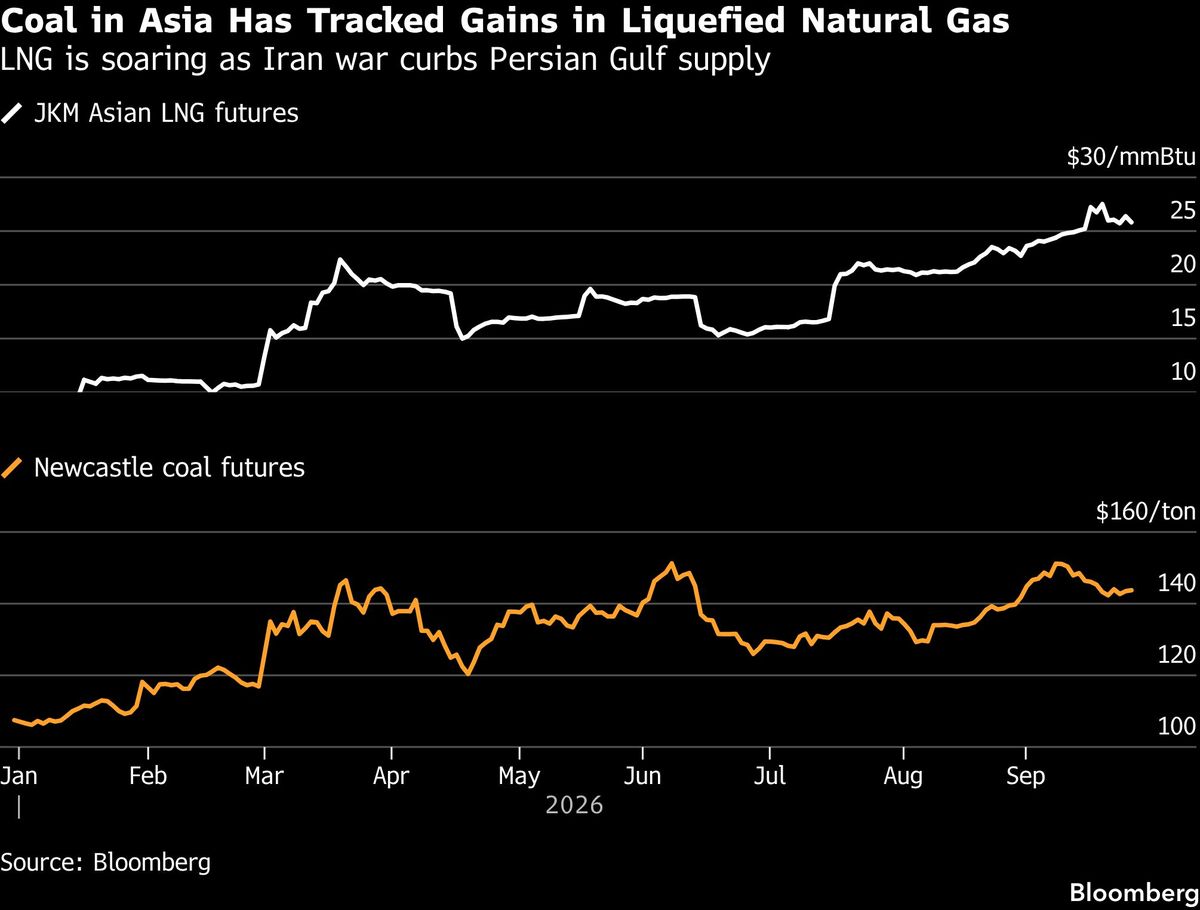
Benchmark Newcastle coal futures earlier this month rallied to their highest in almost two years, while in China — the top consumer of the fossil fuel — prices have reached levels not seen since 2023 after a deadly accident in May prompted a series of safety inspections that curbed domestic output.
With winter on the horizon in China, a shift to buying could have an immediate impact on the market. However, spot demand for Indonesian coal may be muted by high prices.
Jakarta has attempted to allow miners to cash in — using mid-year quota revisions to reverse earlier supply cuts that fell disproportionately on some firms. Some of those had to suspend production earlier this year and may take time to ramp up again.
Affected producers included PT Bayan Resources, one of the nation’s biggest miners, which saw its quota slashed earlier this year. It was raised days after a deal to sell a major stake to a tycoon close to Indonesia’s President Prabowo Subianto.
That transaction, along with the broader quota cuts and an attempt to force miners to sell at government-set benchmarks last year, undermined Indonesia’s credibility with foreign buyers.
“The uncertainty has created issues with us being able to purchase Indonesian coal,” said Matthew Boyle, head of research at trader Ashon International DMCC. “Last year we did about four million tonnes of Indonesian coal sales; this year we’ll be lucky to get two million.”
Meanwhile, there is ambiguity around the role of a new government oversight agency, Danantara Sumberdaya Indonesia, which is meant to clamp down on practices such as under-invoicing that Prabowo said cost the state tens of billions of dollars. DSI President Luke Mahony on Monday tried to assure miners and traders that the body will merely monitor export prices rather than take full control of shipments.
“Let me be clear on one point: DSI is not here to disrupt the flow of Indonesian exports,” Mahony said. “Exporters will continue to export.”
Uploaded by Arion Yeow