

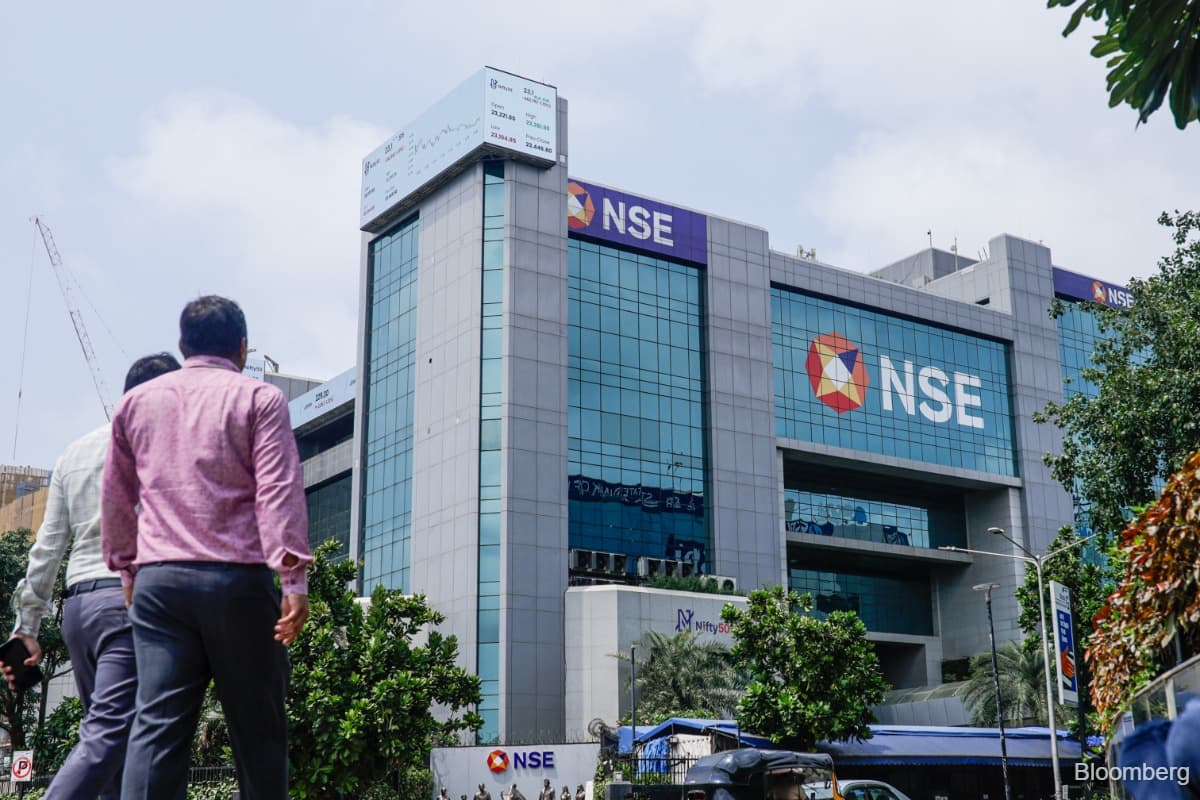
(Sept 28): Shares of National Stock Exchange of India Ltd slipped below their initial public offering price on the third day of trading, extending a lacklustre start amid a broader equity selloff.
The stock fell as much as 1.8% to 1,761 rupees on Monday, below the IPO price of 1,785 rupees. Shareholders of the world’s busiest derivatives exchange sold 225.6 billion rupees (RM9.61 billion) of stock in the offering, which saw shares eke out a gain of 1.9% on their first day of trading last week.
The IPO, India’s second-biggest after Hyundai Motor India Ltd’s 278.6 billion-rupee offering in 2024, drew a relatively subdued response, particularly from retail investors. The main book attracted bids worth less than one trillion rupees, with state-run Life Insurance Corp of India emerging as the biggest bidder.
NSE’s move to go public coincided with a selloff in Indian equities that has pushed the benchmark Nifty 50 Index to a seven-month low. While the listing gave investors access to a key part of India’s fast-growing capital market, valuation concerns forced the company to scale back both the size of the offering and its price.
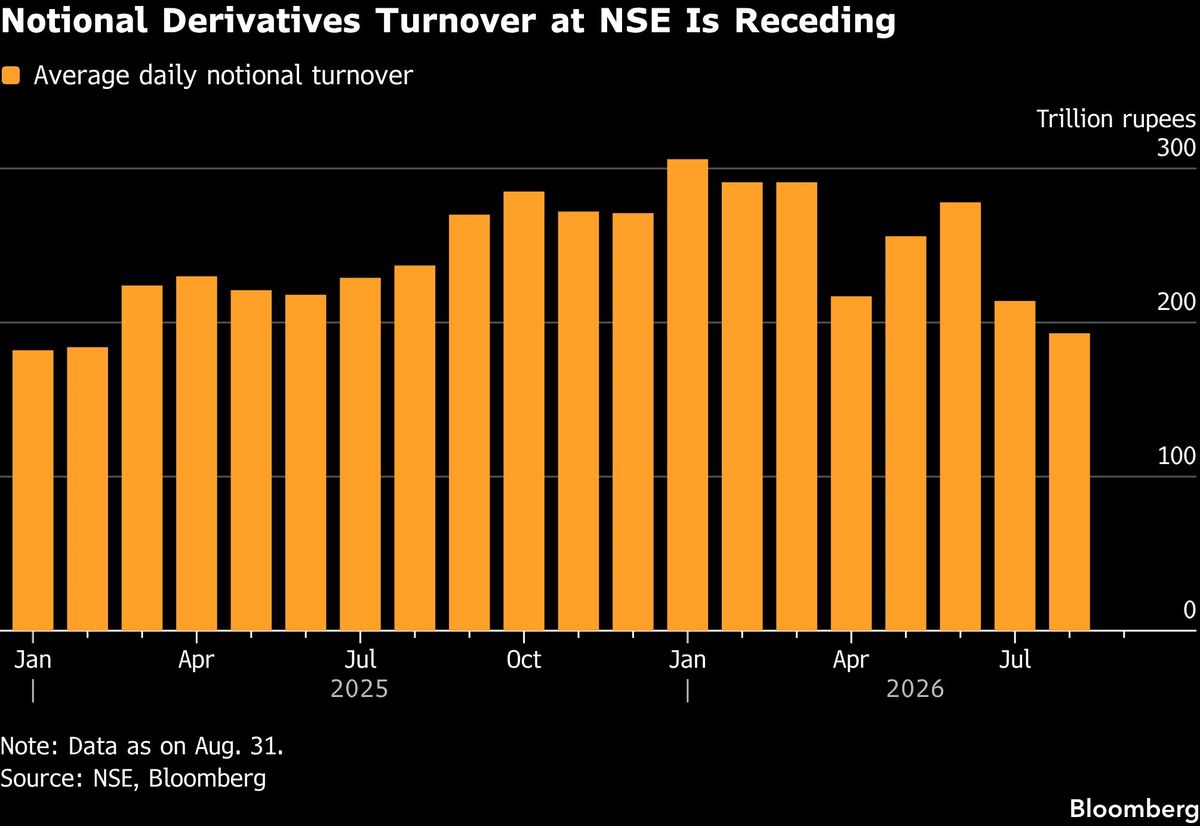
Analysts have also flagged near-term pressure on NSE’s cash equities, derivatives and margin-trading volumes, with the recently introduced Closing Auction Session weighing on broader trading activity. Still, the bourse commands a premium to global peers. NSE trades at about 30 times estimated fiscal 2029 earnings, roughly 65% above the 18 times for international exchanges, Macquarie said in a note last week.
NSE officials have remained upbeat about the exchange’s prospects, saying a wave of regulatory tightening in India’s derivatives market is largely over. The bourse is regaining market share in equity options as traders adapt to the stricter rules, and the bourse is seeing a pickup in commodities, Chief Executive Officer Ashishkumar Chauhan said.
The slump in share price comes after NSE chairman Srinivas Injeti told reporters Friday that “IPO pricing was calibrated to balance the interests of investors and selling shareholders”.
Uploaded by Arion Yeow