

(Sept 24): Cambodian authorities will target licensed casinos that are actually fronts for illicit cybercrime, an industry that’s stolen billions of dollars from victims globally, as they extend a yearlong enforcement push beyond physical compounds.
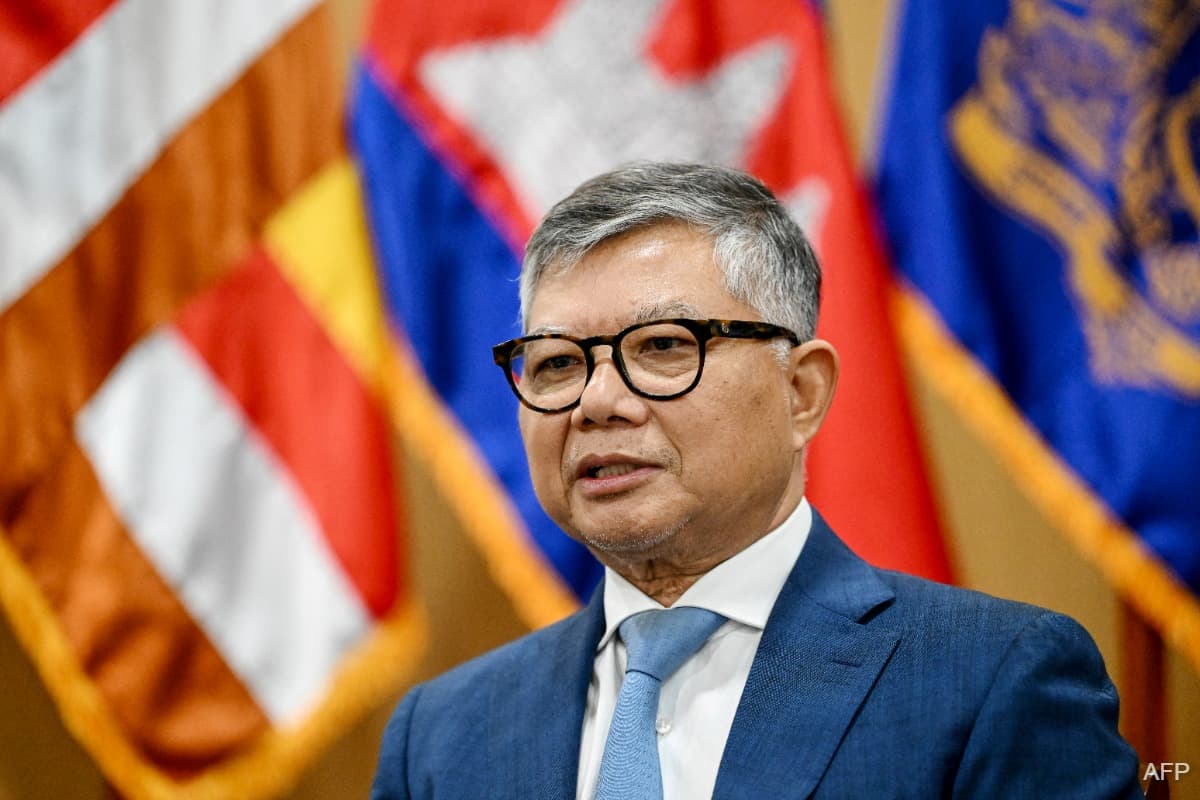
“Our next move is that we must take action on the casinos, because some are suspected of involvement in online scams and gambling,” Senior Minister Chhay Sinarith told Bloomberg during an interview Wednesday evening on the sidelines of an anti-scam conference in capital Phnom Penh. As licensed entities, “they can still hide behind this legal shell. That’s why we must restrict and impose stronger management and inspection at the casino sites”.
The shift comes as Cambodia claims to have completely dismantled all large-scale scam compounds on its territory following an enforcement drive that deported thousands of foreign nationals. Over the past year, authorities have raided hundreds of sites and, according to state media, audited all 195 licensed casinos nationwide, leading to the suspension of several linked to illicit operations.
Cambodia was transformed by Chinese gaming investment and property speculation more than a decade ago. When an online gambling ban, followed by the Covid-19 pandemic, hollowed out tourism, criminal syndicates repurposed resorts, condominiums and casinos into huge scam compounds.
Alongside casino enforcement, Chhay Sinarith also said investigators are expanding financial inquiries into the corporate holdings and subsidiary networks tied to alleged scamming outfits, including conglomerate Prince Group. Prince Group chairman and alleged scam mastermind Chen Zhi was arrested in Cambodia and returned to China in January.
Chhay Sinarith said officials must “investigate on the financial network of the criminals, because most of the time the criminal proceeds are laundered through legitimate business”. He added authorities are actively investigating around 30 Prince Group subsidiaries as well as offshore assets in jurisdictions including Singapore, the US and the UK.
Despite official claims of success, Bryony Lau, deputy Asia director at Human Rights Watch, said Cambodian authorities should strengthen the screening and identification of trafficking victims released from cyberscam compounds and assist their return home.
Authorities should also “ensure these abusive compounds don’t return to Cambodia by transparently and independently investigating ruling party lawmakers and prominent business figures who have been implicated in cyberscam operations”, she said.
Uploaded by Chng Shear Lane