

_4.jpg&w=1920&q=75)
(Sept 23): Prime Minister Andy Burnham said the UK has left itself “overexposed” to global bond markets as he defended controversial comments made last year that alarmed investors.
Burnham said he stood by remarks made before he became the prime minister that the UK should not be “in hock” to the bond market, comments that later sparked concerns that his prospective government would pursue a looser fiscal policy.
While he has since committed to fiscal discipline in a bid to soothe market worries, Burnham said he abided by the original remarks in an interview with the New Statesman magazine published on Wednesday.
“The point about the bond markets, it holds — in that what I was saying was the country has left itself over-exposed,” he said. However, Burnham added that he was arguing for “a much more streamlined, productive state”.
The comments risk fuelling concerns over Britain’s precarious fiscal position ahead of the first budget of Burnham’s premiership next month, with UK bond yields around levels last seen decades ago and higher than those in other advanced economies.
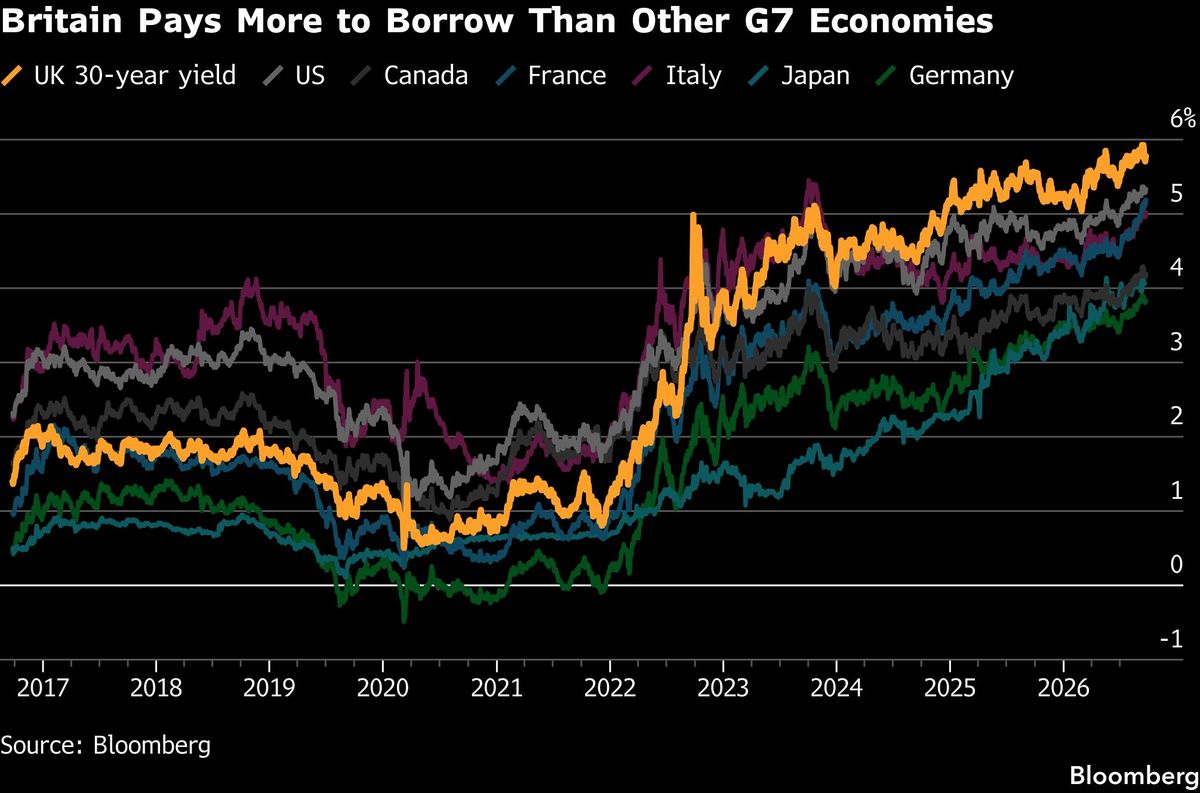
Economists believe Chancellor of the Exchequer John Healey’s fiscal buffer has been slashed by the surge in government borrowing costs since the US-Iran war reignited inflationary pressures. The deterioration has stoked speculation over tax rises to repair the damage, while borrowing in the fiscal year to date is running well above where official projections expected back in March.
The worsening backdrop comes before additional spending pressures from plans to boost defence investment and Burnham’s policy ambitions on a range of areas, from council housing to social care.
Burnham has said his original comments, made last September while he was still the Greater Manchester mayor, were taken out of context but he has struggled to fully explain what he meant. He said earlier this year that he “never said Britain should ignore the bond market”, adding that decisions since the 1980s have left the government with “little headroom and room for manoeuvre”.
UK long-end gilts, which are among the most closely watched tenors to gauge for fiscal concerns, are almost unchanged since Burnham became the prime minister in July.
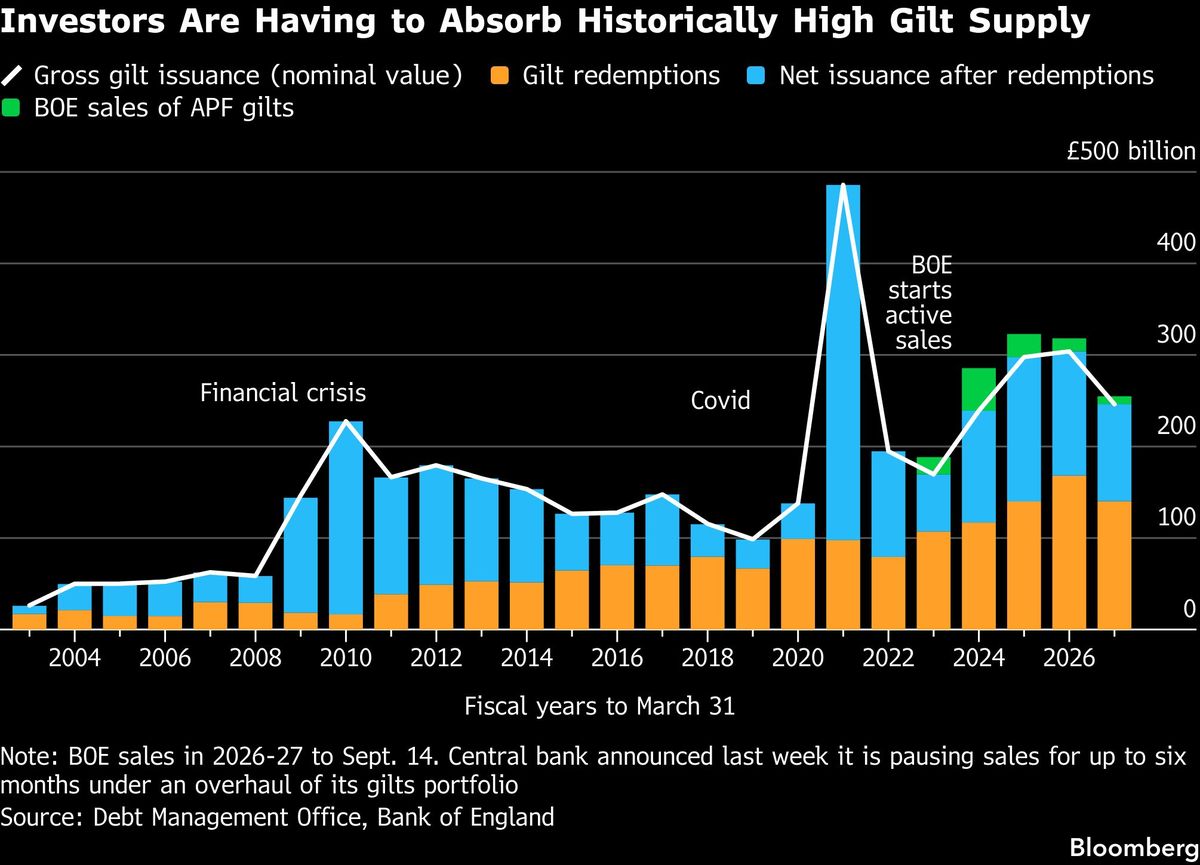
The 30-year yield is currently 5.76%, having retreated from a 28-year high close to 6% reached last week as energy prices and inflation expectations fell. The Bank of England spurred a further decline after unexpectedly announcing the cessation of all sales of from its bond holdings until March and scrapping long-dated debt offerings altogether.
Oil price swings rather than fiscal jitters have had the greatest influence on bond prices ever since the US and Israel attacked Iran earlier this year, cutting off a major supply of oil through the Strait of Hormuz and triggering a sharp rise in inflation fears.
Uploaded by Tham Yek Lee