

This article first appeared in The Edge Malaysia Weekly on September 21, 2026 - September 27, 2026
WHILE official statistics show that Malaysians are beginning to save for retirement again, much more needs to be done to prepare for Malaysia’s transition into a super-aged nation by 2056, when one in five Malaysians will be aged 65 and above. This includes strengthening retirement savings, legacy planning, and property and township design.
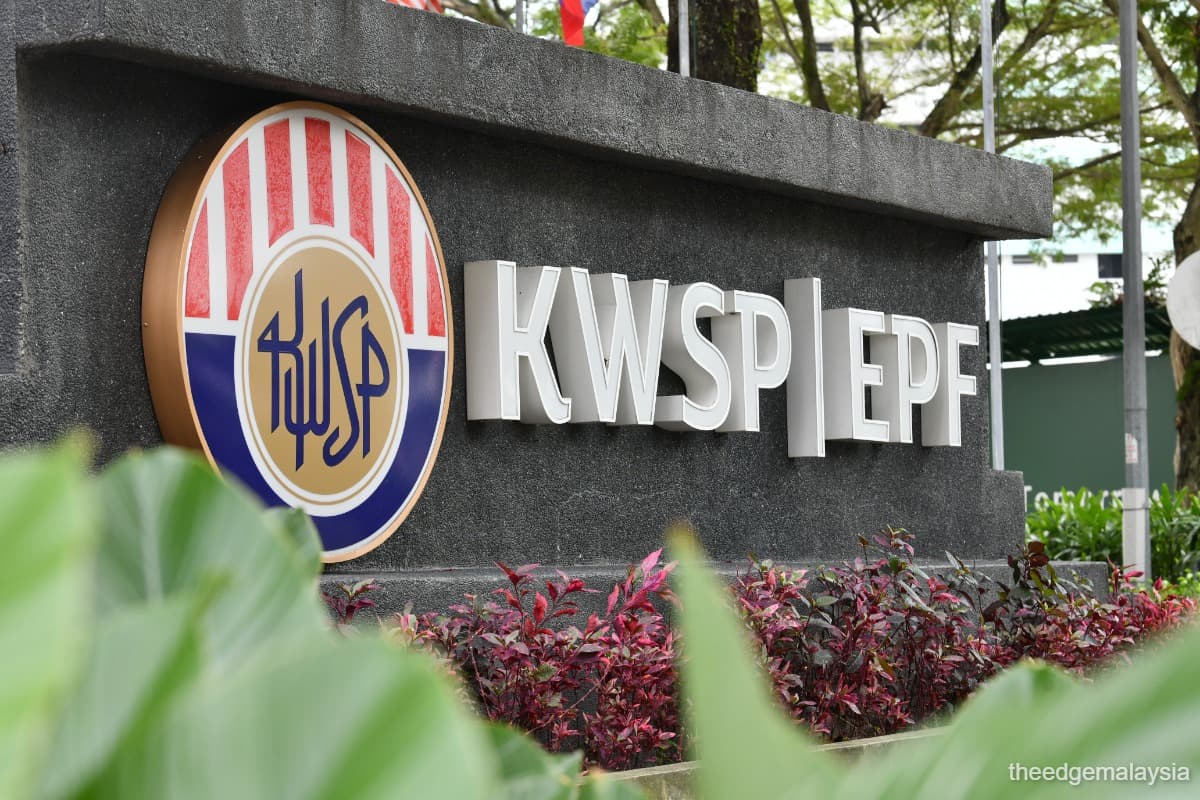
According to the Employees Provident Fund’s (EPF) 2024 Annual Report, the latest available on its official website, Malaysians have resumed saving for retirement post-pandemic, with contributions rising 54% since 2021, led by voluntary top-ups.
In December 2024, however, EPF also raised the minimum savings amount required for retirement by 62.5% to RM390,000 from RM240,000.
Datuk Ismitz Matthew De Alwis says this is unsurprising, given that Malaysians’ average life expectancy has risen to 75.3 years, while inflation continues to erode purchasing power.
Women who reach 60 can expect to live another 21.6 years, while men can expect another 18.8 years.
“This means retirement could realistically last two decades or more for many individuals. It almost feels as though the goalposts shift each time Malaysians brace themselves for the latest statistics on longevity, inflation and rising cost of living,” he says.
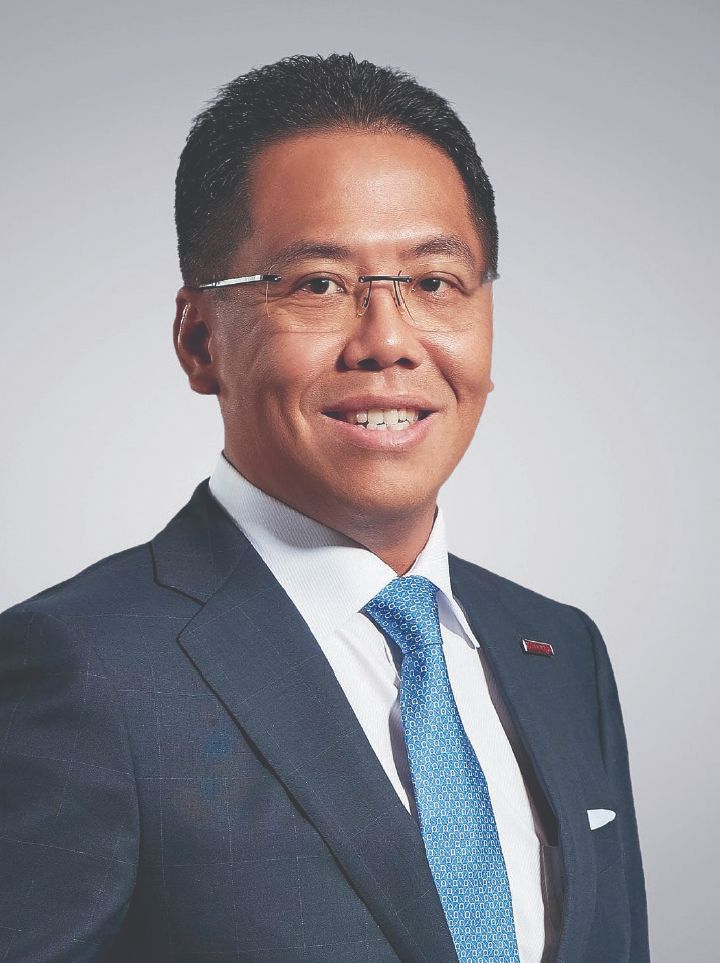
De Alwis believes, however, that the nation’s financial literacy has definitely improved, reflected partly by EPF’s statistics. Investors no longer shy away from learning about investing, while regulators and industry players have created touchpoints over the years for people to gain knowledge and sharpen their skill set.
“Realistically, the basic requirement goal will always appear a little out of reach if we just let life pass by without a structured financial plan,” he says.
The best way for Malaysians to prepare for retirement is also the simplest: Have a financial plan and stick to it.
While structural factors, such as salary increments, play a significant role in how much one can save, financial discipline remains key to preparing for one’s third age. This starts with setting clear financial goals and putting a plan in place to achieve them — whether saving for a first home, funding a child’s education or ensuring sufficient financial security for the next generation.
“When it comes to investing, a long-term perspective is most ideal. This means investors focus on long-term gains that are consistent, instead of asking, ‘What type of products should I invest in?’”
Yet, De Alwis believes investors can still explore investment vehicles such as exchange-traded funds, which are becoming an increasingly important component of portfolio construction for both retail and institutional investors, particularly as they seek diversified, transparent and cost-efficient investment exposure.
Inheritance challenges may be caused by execution, not awareness
Vincent Ooi, head of the high-net-worth and affluent segment at Prudential Assurance Malaysia Bhd, points out that legacy planning is a highly relevant topic for the nation as the population gradually ages, but it tends to be neglected.
For instance, the country’s frozen inheritance assets have reached a staggering RM90 billion, according to news reports, representing nearly 5% of Malaysia’s gross domestic product. These assets include properties, shares, investments and other capital belonging to deceased persons that cannot be distributed.
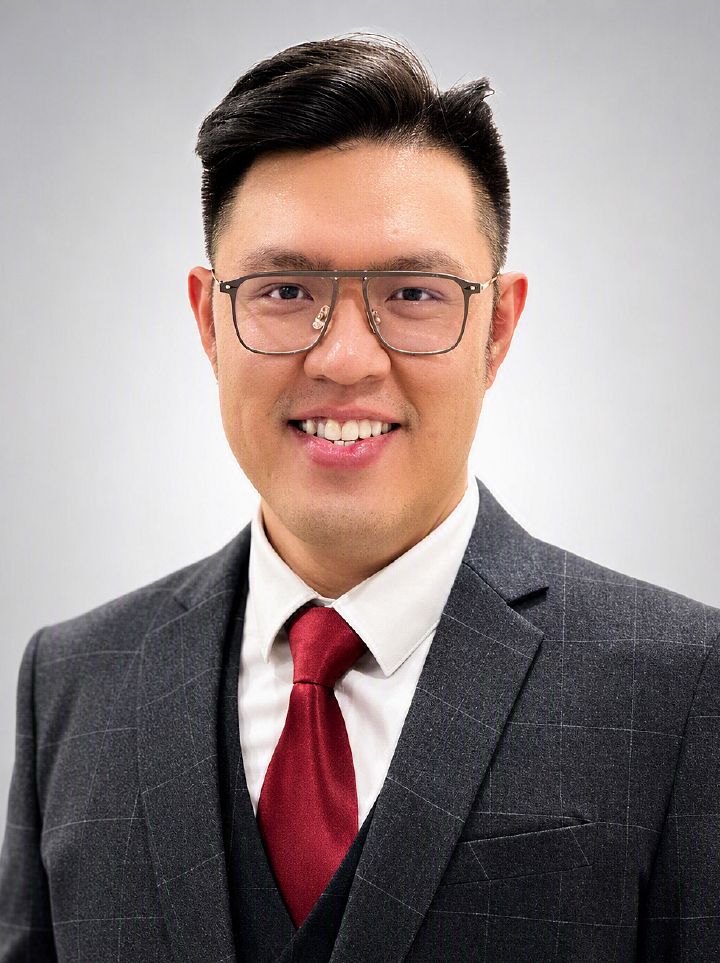
Ooi says the statistic is concerning, but the issue may be less about a lack of awareness than execution — knowing what to do and actually doing it are not always the same.
“For example, many people understand the importance of protecting their loved ones financially, yet many defer taking action because they feel the timing is not quite right. We believe legacy planning faces a very similar challenge,” he says.
Other factors also come into play, such as situations in which an individual has taken the important step of writing a valid will, but its existence or location is known only to the deceased.
In other cases, a family may have an incomplete inventory of assets and liabilities, making it difficult for beneficiaries to identify what exists, where those assets are held and what obligations need to be settled.
“Even when the intentions [for legacy planning] are clear, the lack of visibility and documentation can create significant challenges for loved ones trying to administer an estate,” says Ooi.
Family dynamics are another key reason that can contribute to frozen inheritance assets, such as when not all beneficiaries agree with the legacy plan of the patriarch or matriarch. Differing expectations, perceptions of unfairness or disagreements over the deceased’s wishes can spark disputes, delaying the transfer of assets to the next generation.
“The key lesson is that legacy planning should be viewed as an ongoing part of wealth management rather than a one-time event later in life. Just as insurance planning is most effective when it is done before a need arises, legacy planning is most effective when it evolves alongside an individual’s wealth, family circumstances and aspirations,” says Ooi.
“Ultimately, this is not just a conversation about inheritance. It is a conversation about preparedness. Awareness may start the conversation, but preparation, communication and timely action are what ultimately ensure that wealth reaches the people it was intended to benefit.”
A structural shift in community, property and township design
The impact of an ageing society involves not only money, assets and wealth, but also the design of the public and private spaces in which we live.
“The ageing population trend is not merely a demographic statistic, but a structural shift that will influence how communities are designed, how people live and how townships evolve over time,” says Datuk Mohd Sohimin Mohd Alayedin, managing director of property development at Sime Darby Property Bhd.
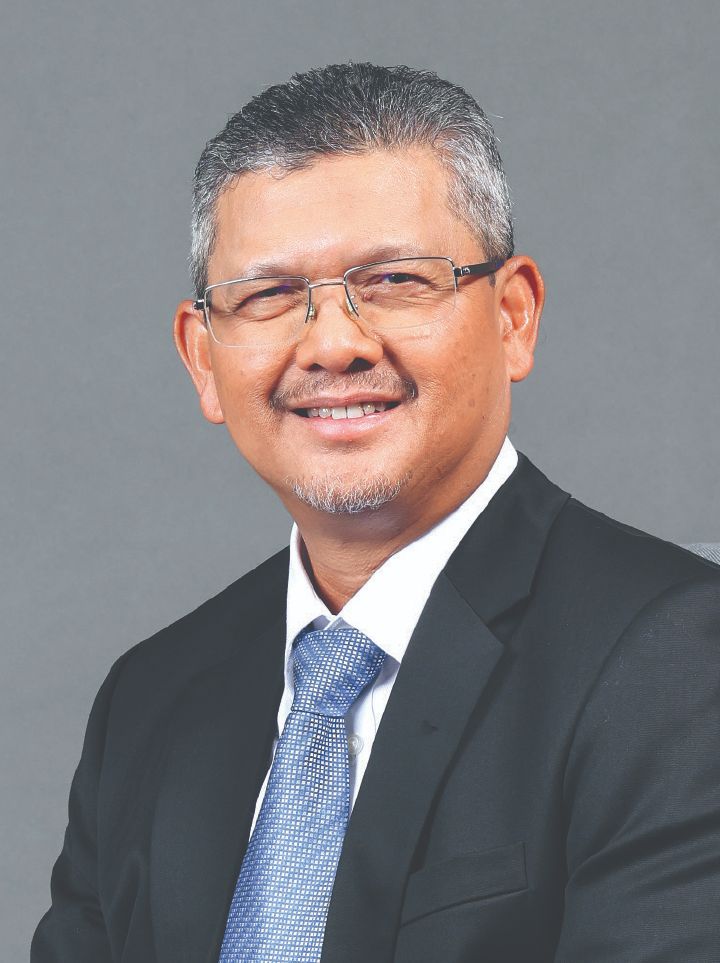
Mohd Sohimin is seeing a growing desire among Malaysians to age in a place where they can continue living independently in familiar communities and close to family, healthcare services, recreational amenities and social support networks.
“This reflects a broader shift from simply purchasing a home to seeking a holistic living environment that supports quality of life across different life stages,” he adds.
At the same time, ageing is increasingly becoming a multi-generational consideration, as many households today are planning not only for their own future needs, but also for ageing parents and extended family members.
The good news is that the industry is increasingly aware of Malaysia’s ageing demographic trajectory, though readiness levels may vary across the market.
Mohd Sohimin says many developers have begun incorporating elements such as improved walkability, universal design features, wellness-focused facilities and integrated amenities within their developments. But these efforts are often introduced as standalone features rather than embedded within a long-term ageing population strategy.
“The property industry is still in the early stages of adapting to what will be a profound societal shift. This is because housing and township development operate on long planning horizons, often spanning decades,” he says.
“Preparing for an ageing nation requires more than physical design enhancements. It demands collaboration across industries, including healthcare, mobility, technology, retail and public infrastructure. The transition will therefore require a coordinated ecosystem approach involving developers, policymakers, service providers and communities.”
Those who would like to learn more about retirement challenges can keep an eye out for The Edge Third Age Megatrend Symposium 2026: The Longevity Dividend, which will be held at the Kuala Lumpur Golf and Country Club (KLGCC) Convention Centre on Oct 3, from 8.30am to 1pm.
Datuk Seri Nancy Shukri, Minister of Women, Family and Community Development, will deliver the keynote address, and Hannah Yeoh, Minister of Federal Territories, will deliver the closing address.
Besides De Alwis and Ooi, the other speakers at the event are Tan Sri Azman Mokhtar, chairman of INCEIF University and former managing director of Khazanah Nasional Bhd; Dr Maheshwara Rao Appannan, director of the digital health division at the Ministry of Health; and Taufiq Iskandar, CEO of the Private Pension Administrator Malaysia.
The event sponsors are Kenanga Investors Bhd, Prudential Assurance Malaysia and Sime Darby Property.
Save by subscribing to us for your print and/or digital copy.
P/S: The Edge is also available on Apple's App Store and Android's Google Play.