

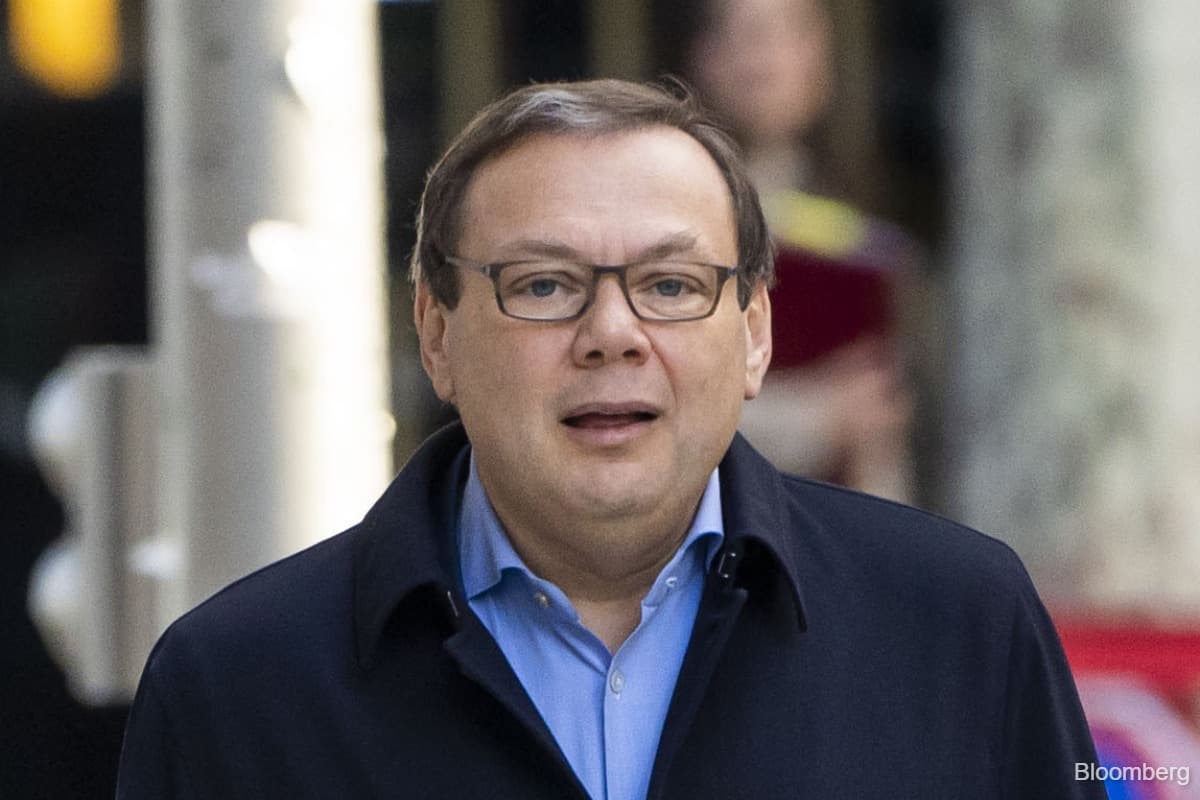
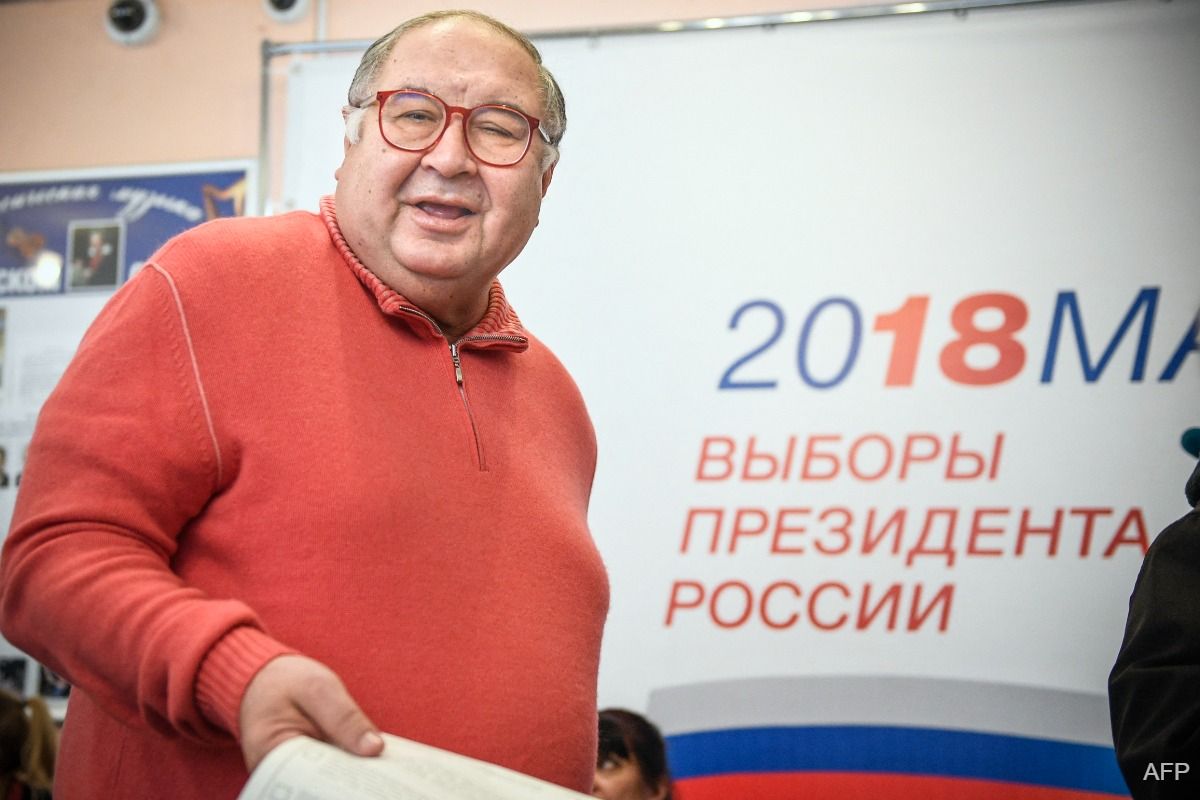
(Sept 23): The European Union (EU) preliminarily agreed to remove sanctions on two Russian billionaires following pressure from France and Luxembourg, making the concession in order to preserve other penalties before they expire.
The decision will prolong sanctions for three years on nearly 3,000 businessmen, politicians and companies targeted since Russia’s 2022 full scale invasion of Ukraine, according to the rotating EU presidency, which Ireland holds. That removes the regular threat of expiring sanctions, which currently need renewal every six months. But it comes at the cost of dropping sanctions on two of Russia’s wealthiest businessmen, Alisher Usmanov and Mikhail Fridman, said people familiar with the matter who requested anonymity to discuss private discussions.
Latvia led a last-minute charge against lifting the penalties, but ultimately abstained on the final vote, Latvian Prime Minister Andris Kulbergs said on Tuesday afternoon. The decision will soon receive formal sign-off, the Irish presidency said.
“In maintaining the regime we have reached a difficult compromise,” a spokesperson said in a statement.
The trade-off has revived frustrations among Europe’s most hawkish Ukraine supporters that national interests are preventing the bloc from further pressuring Russia. Already this year, the EU weakened major sanctions package over concerns about hurting local industries.
“This was not a choice between a good and a bad solution, but between a bad and a much worse one,” Kulbergs said in a statement.
The sanctions renewal has even become a campaign issue in Latvia’s parliamentary elections on Oct 3. In a press conference Tuesday evening, Kulbergs said he had secured commitments from France to strengthen its military presence in Latvia by providing air defences and starting talks on adding Latvia to France’s nuclear deterrence initiative.
Kulbergs said the arrangement was sorted out after speaking with French President Emmanuel Macron and Irish leader Micheal Martin.
France asked to lift Usmanov’s sanctions as part of a potential agreement with Azerbaijan to release some French nationals from prison, Bloomberg previously reported.
Usmanov, 73, owns 49% of USM, a Russia-based investment group that controls Metalloinvest, the country’s largest iron ore producer, and holds a stake in telecommunications company MegaFon. He is Russia’s seventh richest person, with a net worth of US$16.7 billion (RM68.05 billion), according to the Bloomberg Billionaires Index. He holds Russian citizenship and is an honorary citizen of Uzbekistan, where he was born.
The tycoon isn’t regarded as being among Russian President Vladimir Putin’s closest associates. Still, decades in Russian business have given him extensive connections in the country’s political and business establishment, including in the Kremlin.
Usmanov, whose spokesperson declined a request for comment, is better known internationally through his investment in London’s Arsenal Football Club, which he exited in 2018. He has also served for decades as president of the International Fencing Federation and is a major financial supporter of the sport. His links to France are less obvious.
Luxembourg pushed to get Fridman’s penalties repealed over the billionaire’s claim against the country at the Permanent Court of Arbitration in The Hague. The country backed the move after France called for Usmanov’s exemption, the people said.
Fridman, 62, co-founded the privately held investment group behind assets including Alfa Bank and LetterOne. He is the 14th richest Russian with about a US$10 billion fortune, according to the Bloomberg Billionaires Index.
Fridman, who holds Israeli and Russian citizenship, moved to London in 2013 after he and his partners sold their stake in TNK-BP to Russian state controlled oil giant Rosneft, pocketing US$14 billion. He left the UK after he was sanctioned.
Fridman declined to comment.
EU sanctions require member states’ unanimous support to be both approved and renewed, effectively giving each country veto power. That means the bloc has often struggled to push through proposals or extensions while accommodating countries’ concerns. Hungary in particular typically held up renewals as it sought concessions.
In an attempt to prevent drama on other existing Russia penalties, EU counties agreed earlier this year to extend for a full year the sanctions targeting items like fuel, military-use products and banking services.
Uploaded by Felyx Teoh