

(Sept 19): Europe’s oil refiners are paying eyewatering premiums for cargoes, as the shutdown of Saudi Arabia’s East-West pipeline forces the region’s buyers to scramble for alternatives with fuel prices soaring.
Saudi Aramco has responded to the attack on its pipeline to the Red Sea by seeking to ramp up shipments through the Strait of Hormuz, with buyers in Asia this week snapping up tens of millions of barrels of Saudi oil from just outside the strait. But the shift also means that those cargoes are emerging further away from desperate European refiners, at a time when markets were already tightening as Chinese purchases and disruptions in Hormuz eat away at global stockpiles.
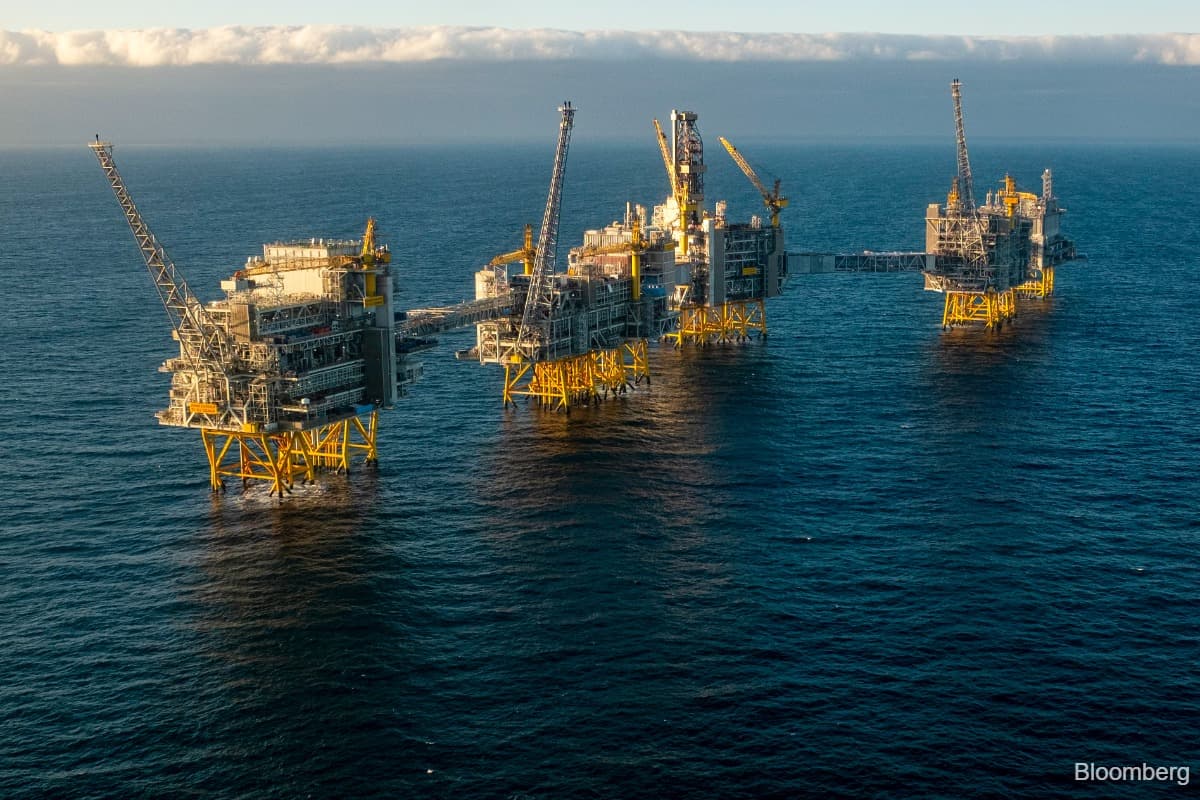
Physical premiums for oil in the North Sea, a key reference for global prices, soared to record levels in recent days. On Friday, Aramco told its customers in Europe that they wouldn’t receive any supplies under their long-term agreements next month. Norway’s Johan Sverdrup, a grade of crude that is closely comparable with Saudi supplies, was offered at a premium of as much as US$35 a barrel above the Dated Brent physical benchmark this week, traders involved in the market said. On Sept 8, the same oil was trading at a 60c premium.
The surge in real-world oil prices is a sign of how the region’s processors are desperate to secure supplies in order to keep refinery rates high enough to alleviate a fuel crunch that has pushed diesel in the region above US$200 a barrel.
Global oil supplies tightened significantly at the end of the summer as disruption to flows through Hormuz persisted, while some of the market’s biggest workarounds in the early days of the conflict began to reverse. Chinese buying picked up, lifting the value of Middle Eastern barrels, while emergency reserve releases slowed. The attack on Saudi Arabia’s East-West pipeline has been the latest blow.
The kingdom has managed to continue exporting significant volumes of oil since the early days of the war, when it quickly ramped up exports through the cross-country pipeline to the Red Sea. The workaround meant it was less reliant on Hormuz than most of its regional neighbours. However, Saudi Arabia had been raising shipments through Hormuz this month from August levels, Bloomberg reported on Sept 14, and was seeking to further boost volumes from inside the Persian Gulf in the wake of the pipeline attack.
The East-West pipeline has a capacity of as much as seven million barrels a day and had been key in keeping supply flowing to global oil markets during the Iran war. The kingdom is seeking to return about half of the capacity on the pipeline within days, a person familiar with the matter said earlier this week.
Buying frenzy
While oil markets have been tightening around the world, the strain is most apparent in Europe. At one point this week, the Dated Brent benchmark climbed above US$130 a barrel for the first time since April as the frenzy of buying propelled prices higher.
Soaring freight costs — moving crude from the US to Asia costs US$26 a barrel — also mean that most refiners are looking for cargoes that don’t have to sail very far. That’s adding to the interest in European crudes from local buyers.
The supply situation in Europe appears even worse than in early April when the Iran war caused a spike in oil prices and started a race to secure alternatives among refineries, traders said. There are limited cargoes available in the market, and sellers are leaving no room for negotiation despite the high offer prices, one of them said.
In the clearest example of a rush for replacement cargoes, Poland’s Orlen has issued more than 10 tenders since Sept 11 as it seeks alternative supplies. The company’s chief executive officer said in an interview that it was aware of four September shipments that wouldn’t arrive and was actively looking for alternative supplies.
Even grades that are less direct replacements for Middle Eastern cargoes are rallying too.
Another Norwegian grade, Johan Castberg, was also being offered at premiums of more than US$30, the traders said. CPC Blend — a much lighter crude that isn’t generally considered a close substitute for Middle Eastern grades — was offered at about US$9 above Dated Brent, compared with a premium of less than US$1 a barrel just a week ago.
Brent futures edged 0.9% lower to settle near US$104 a barrel, cementing a narrow loss for the week.
Uploaded by Chng Shear Lane