

KUALA LUMPUR (Sept 17): Corporate treasury teams in Malaysia are bullish about artificial intelligence (AI) and digital currencies — more so than their regional peers, based on their optimism and adoption intent — even as they grapple with legacy infrastructure hurdles, according to a report by HSBC.
These are among the findings revealed in HSBC's 'Redefining Treasury in Asia Pacific 2026: Voices of Treasury' report, which gathered insights from treasury and finance professionals in Malaysia and 10 other Asia Pacific markets: Australia, mainland China, Hong Kong, India, Indonesia, Japan, South Korea, Singapore, Thailand and Vietnam.
Confidence in AI is particularly strong in Malaysia, HSBC highlighted in a statement on Thursday, noting that more than three quarters (76%) of respondents said AI will be either "extremely useful or very useful" to treasury within the next three years, ahead of the regional average of 72%. At the same time, another 21% said it would be "somewhat useful".
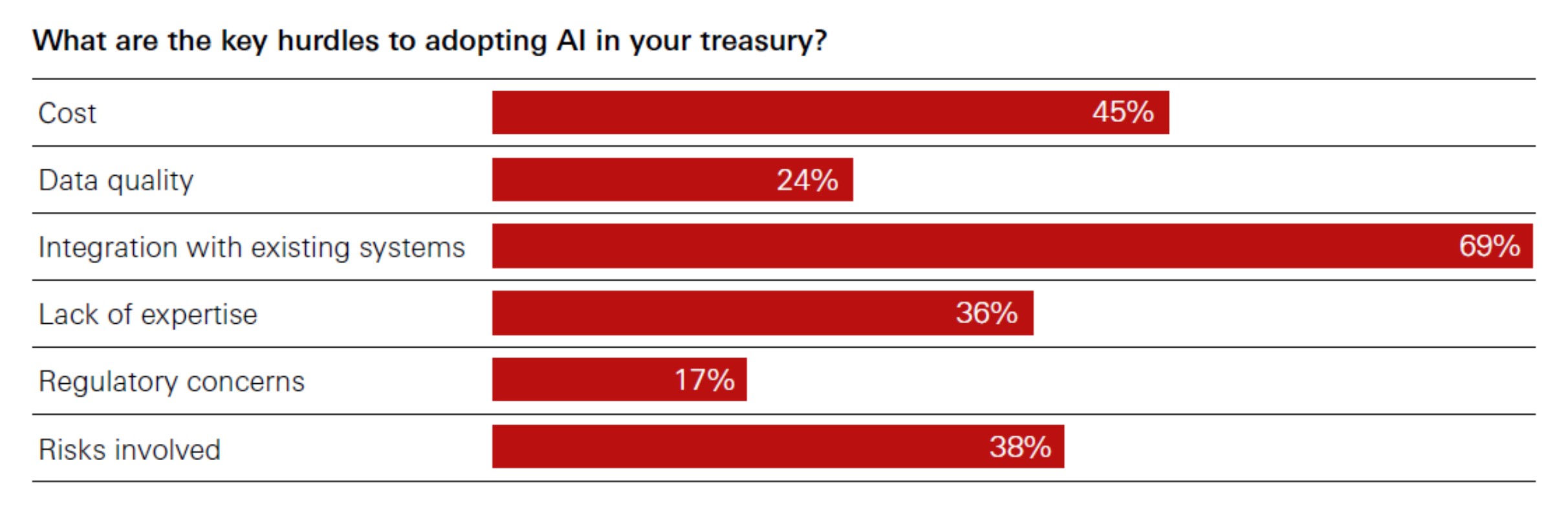
However, 82% said treasury's AI adoption is not keeping pace with their wider organisation, with 69% of respondents pointing out integration with existing systems as the biggest hurdle — well ahead of cost (45%) and lack of expertise (36%). This points to a drag created by fragmented enterprise resource planning and treasury technology environments, HSBC said.
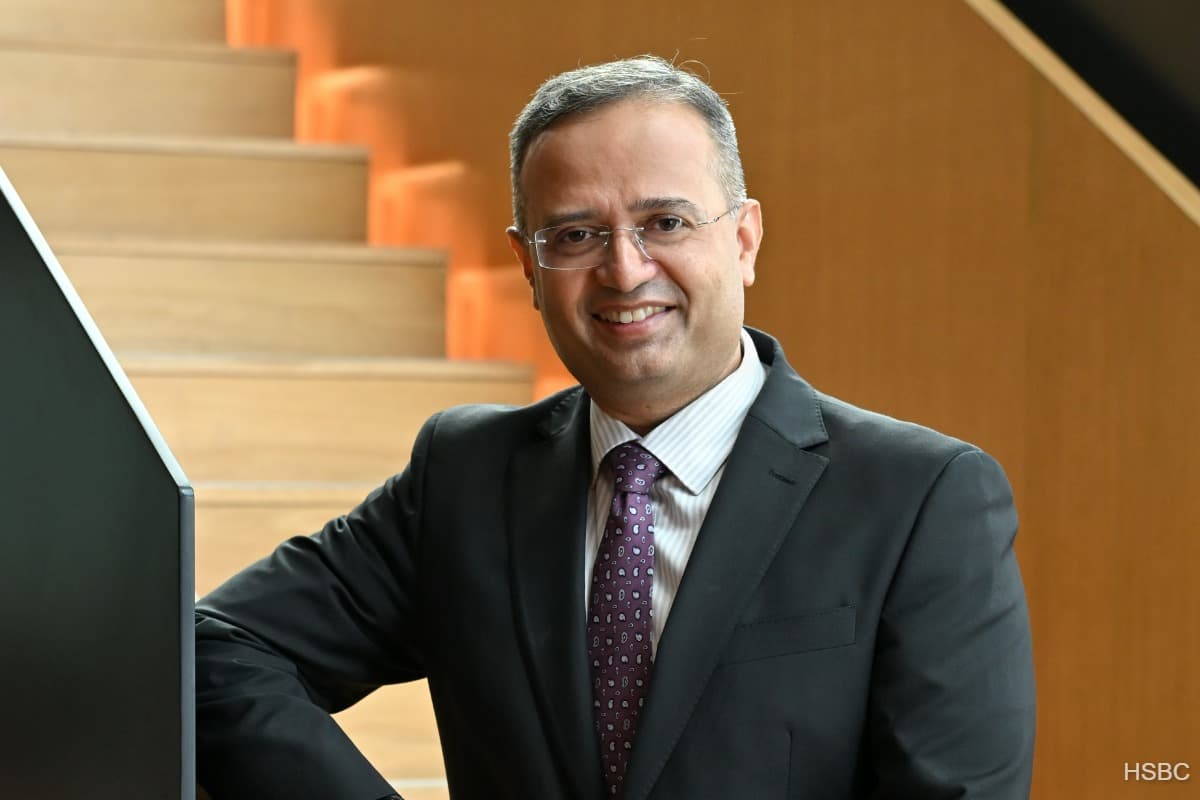
“There is a real appetite among Malaysia’s treasury community to explore what new payment instruments and AI-enabled tools can deliver. At the same time, treasurers recognise that the challenge is often less about the technology itself and more about how it is integrated into existing, fragmented legacy and ERP systems,” said HSBC Malaysia's head of global payments solutions Anand Mukati.
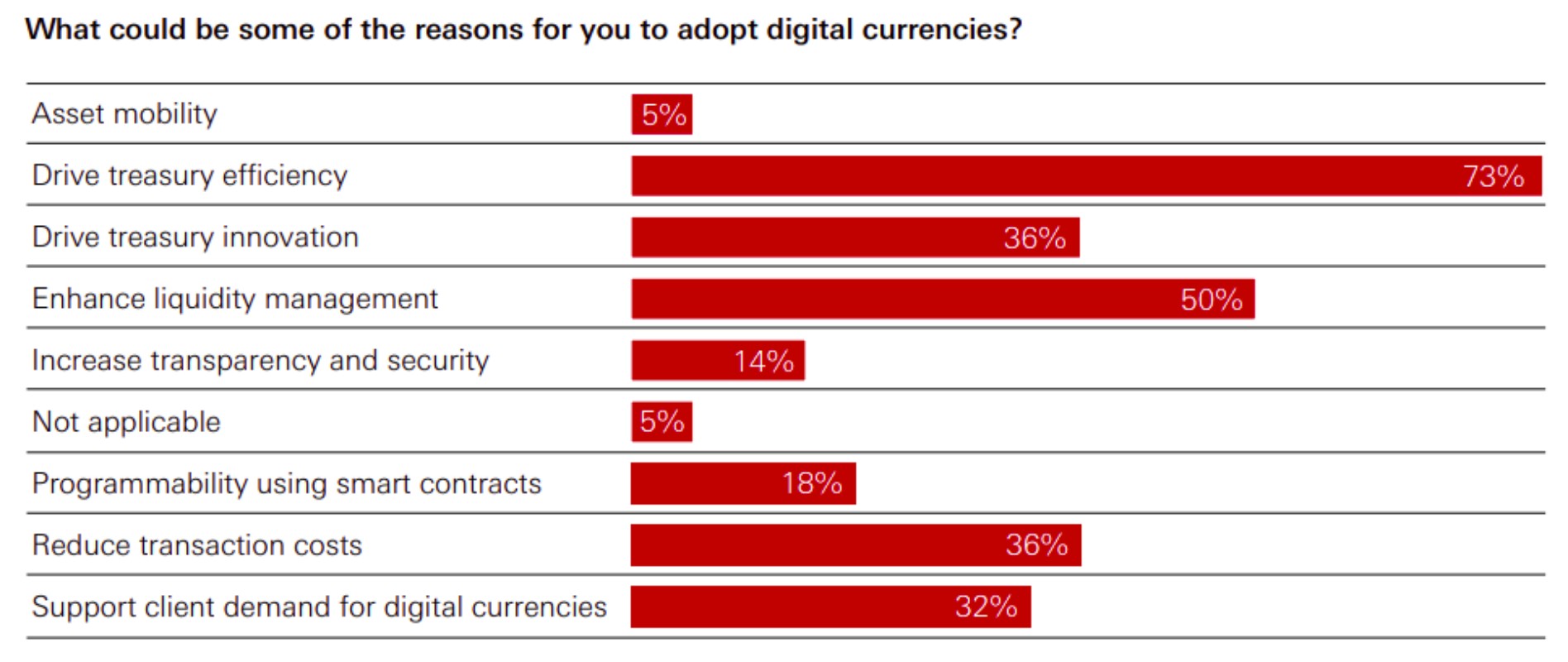
At the same time, Malaysia is the most enthusiastic market in the region in terms of digital currency adoption, with half of respondents saying they were likely to use digital currencies in the next two years — far surpassing the regional average of 19%.
Despite 42% of respondents in the country viewing digital assets in treasury as high risk — just a couple of notches lower than the regional average of 44% — respondents cited greater treasury efficiency (73%) and enhanced liquidity management (50%) as key reasons for adoption.
“What comes through quite clearly from the Malaysia findings is that treasurers aren’t viewing risk and adoption as an either-or decision. They understand the operational and regulatory considerations around digital currencies, but they also see the potential to improve efficiency, manage liquidity, and shape new payment models. The challenge now is for market infrastructure to catch up to the demand," Mukati said.
The report, which drew on qualitative and quantitative insights from 680 treasury and finance professionals, also saw Malaysian respondents ranking the threat of cybercrime and fraud at 8.4 out of 10. This is above the regional average of 7.78, which HSBC said underlined the importance of resilience as treasury functions modernise.