

(Sept 17): Singapore’s electronics exports grew at an unprecedented pace in August as the artificial-intelligence boom shows no signs of waning.
While boosting the city-state’s economy, the surge is unlikely to stoke price pressures and push the central bank toward aggressive tightening, according to analysts.
Data released Thursday showed electronics exports last month rose 132% from a year ago. Shipments of personal computers — which include server racks used by data centres — were up 238%, while disk drives climbed 214% and integrated circuits up 91%.
Barclays Plc afterward revised its economic growth forecasts for this year and next by a percentage point each, to 5.5% and 4%. Still, economist Brian Tan doesn’t see this translating to significant price pressures, pegging core inflation at just 1.7%, at the lower half of the central bank’s 2026 forecast range of 1.5%-2.5%.
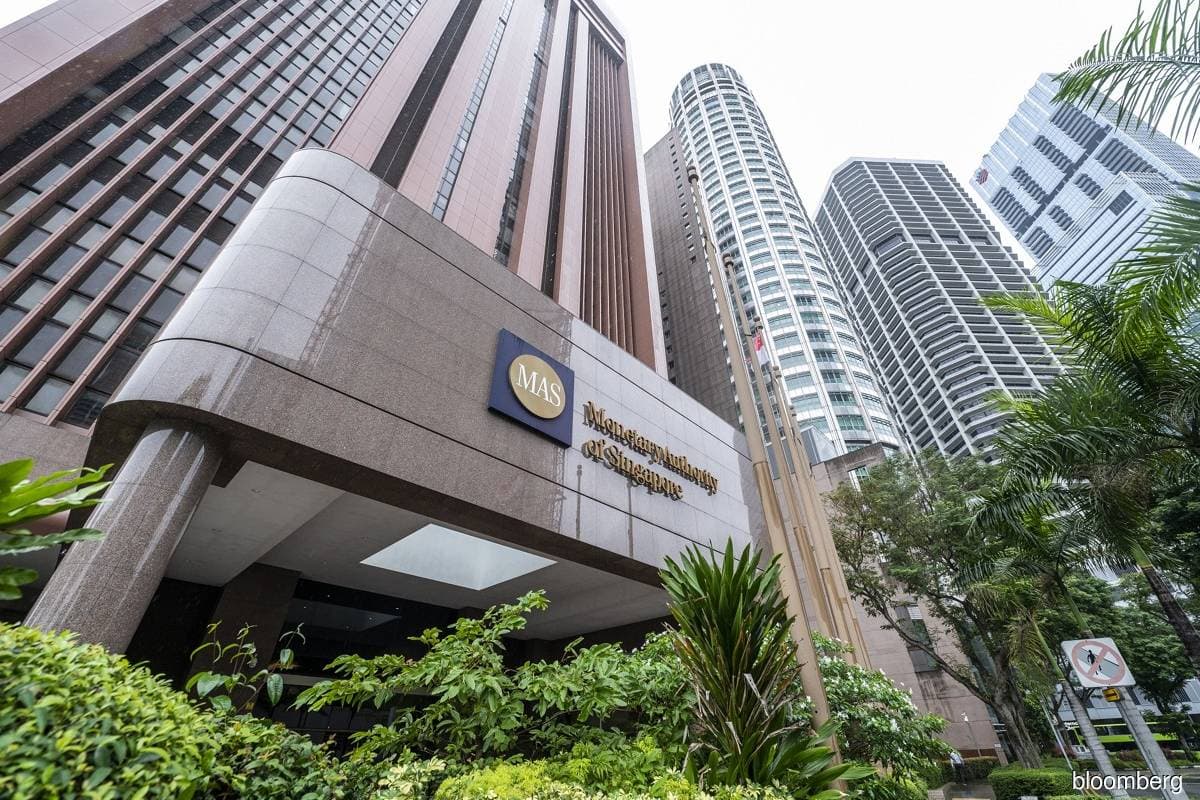
Tan predicts that the Monetary Authority of Singapore will “very slightly” tighten anew, but mainly because of the commodities price risks related to the Middle East conflict and the El Niño weather disruptions.
“We view this as a relatively close call, with an elevated risk that the MAS will decide to stay on hold at the upcoming policy meeting” in mid-October, he wrote.
Singapore’s growth has been unevenly driven by the capital-intensive semiconductor sector, where higher output has been achieved by raising capacity utilization, rather than increasing the workforce, according to Tan. And, he added, firms operating in Singapore are likely to repatriate profits, rather than reward employees with inflation-fueling big payouts, like in South Korea.
Maybank Securities Pte’s Chua Hak Bin and Brian Lee expect the MAS to stand pat at its meeting in October, noting that policy is already “mildly restrictive” after back-to-back moves in April and July, which likely steepened the policy band by a combined 75 basis points.
“Optionality is of course there for another tightening at the October monetary policy statement,” said Selena Ling, chief economist at Oversea-Chinese Banking Corp. “But would likely have to see some upside risk to the 2027 core inflation trajectory,”
The latest data comes as some tech leaders have proposed slowing cutting edge AI development and calling for common safety standards, in the face of cybersecurity and existential threats posed by advanced models.
That call for stricter governance may end up benefitting Singapore, said United Banking Overseas Ltd. economist Jester Koh.
“Stronger cybersecurity requirements and additional controls on AI development and deployment could, conversely, support chip demand, given the greater computing complexity and data requirements involved,” Koh wrote.
Uploaded by Magessan Varatharaja