

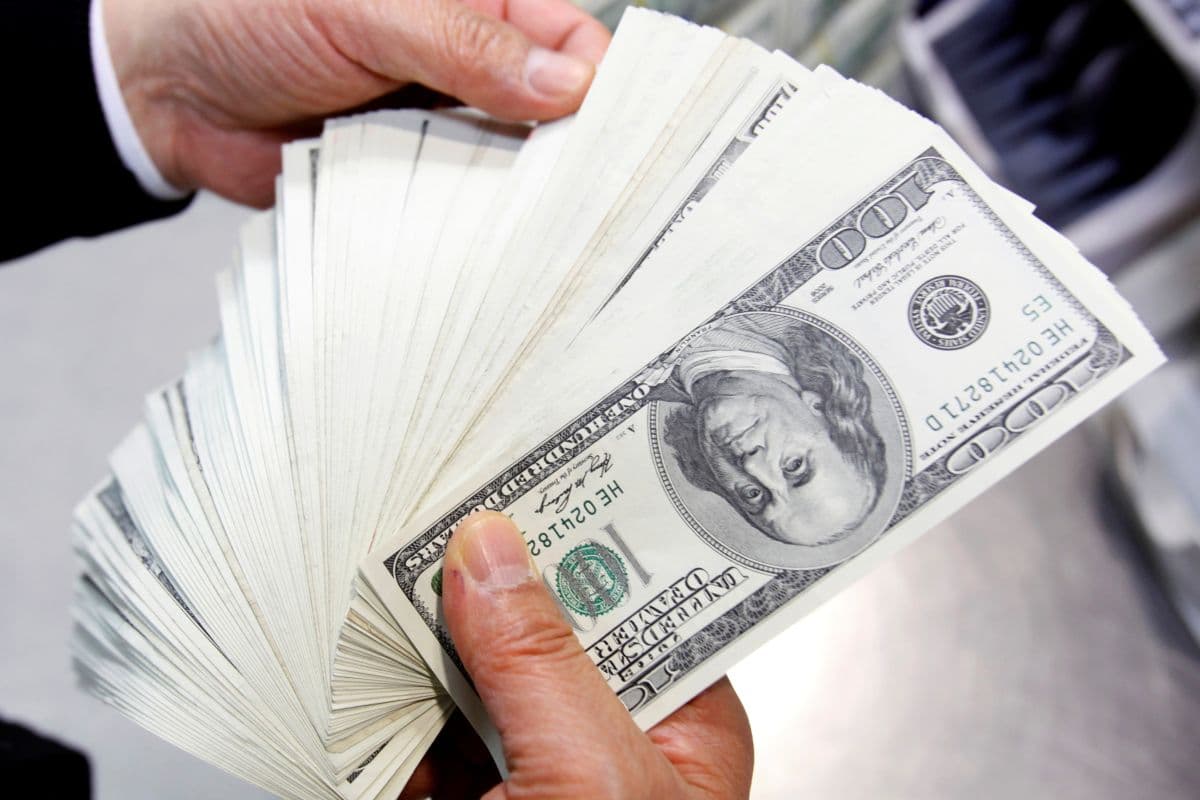
(Sept 17): The dollar climbed to a seven-week high on Thursday after the Federal Reserve raised rates and reaffirmed its commitment to curbing inflation, though it later eased as energy prices extended their fall on diminishing fears of supply disruptions.
The Fed raised rates and signalled further hikes, with Chair Kevin Warsh reaffirming the central bank's independence despite repeated calls from US President Donald Trump for lower borrowing costs.
American assets could have faced headwinds without clear Fed guidance, as concerns about Warsh's perceived dovish stance might have fuelled doubts about the central bank's commitment to containing inflation.
"The greatest danger for the US dollar lies in the US president increasing pressure on the Fed again in the coming weeks, which could lead to renewed doubts about the Fed’s independence," said Michael Pfister, a strategist at Commerzbank.
"However, the Fed itself did its best yesterday to dispel these doubts."
Markets remain far more hawkish than the Fed. While policymakers project one more rate hike in 2026 and a hold in 2027, investors are pricing in more than one additional increase this year and roughly three more by the end of 2027.
Oil prices eased on Thursday, extending losses on reports of Saudi Arabia offering extra crude cargoes through Oman.
The greenback tends to benefit from higher oil prices because the US economy is less exposed to energy shocks than many other major economies, attracting demand at the expense of currencies like the euro and yen.
On Wednesday, Trump said he hoped an end to the US-Israeli war on Iran was near and a media report separately said he is expected to meet Gulf leaders on the sidelines of the UN General Assembly on Tuesday to discuss the conflict.
The dollar index, which measures the greenback against a basket of currencies, reached 100.36, the strongest level since July 31; it was last down 0.16% to 100.13.
The euro rose 0.14% to US$1.1481 after reaching US$1.1456, its lowest point in seven weeks.
Sterling was up 0.10% at US$1.3395 ahead of the Bank of England's meeting later on Thursday.
BOJ next to watch
Japan will continue to strive towards maintaining orderly yen moves through close communication with the US, Chief Cabinet Secretary Minoru Kihara said when asked about the Fed's move.
The Bank of Japan is expected to raise interest rates to a 31-year high on Friday and signal its readiness to keep pushing up borrowing costs. Market participants are focused on any hints that BOJ Governor Kazuo Ueda might give on the timing and pace of any further increase.
Mizuho expects the BOJ to normalise policy, but at a slower pace than markets currently anticipate, with rates reaching 1.75% by mid-2027.
The dollar/yen dropped 0.41% to 155.68.
A key market theme is the prospect of portfolio shifts by Japan's Government Pension Investment Fund, with investors watching whether higher domestic yields trigger repatriation flows.
The yen jumped to a seven-month high against the dollar last week as speculative positions flipped to net-long bets on growing conviction in the Bank of Japan's policy-tightening path. Japanese retail investors have maintained stubborn short positions, though, expecting that the yen's recent gains would be short-lived.
Uploaded by Lam Seng Fatt