

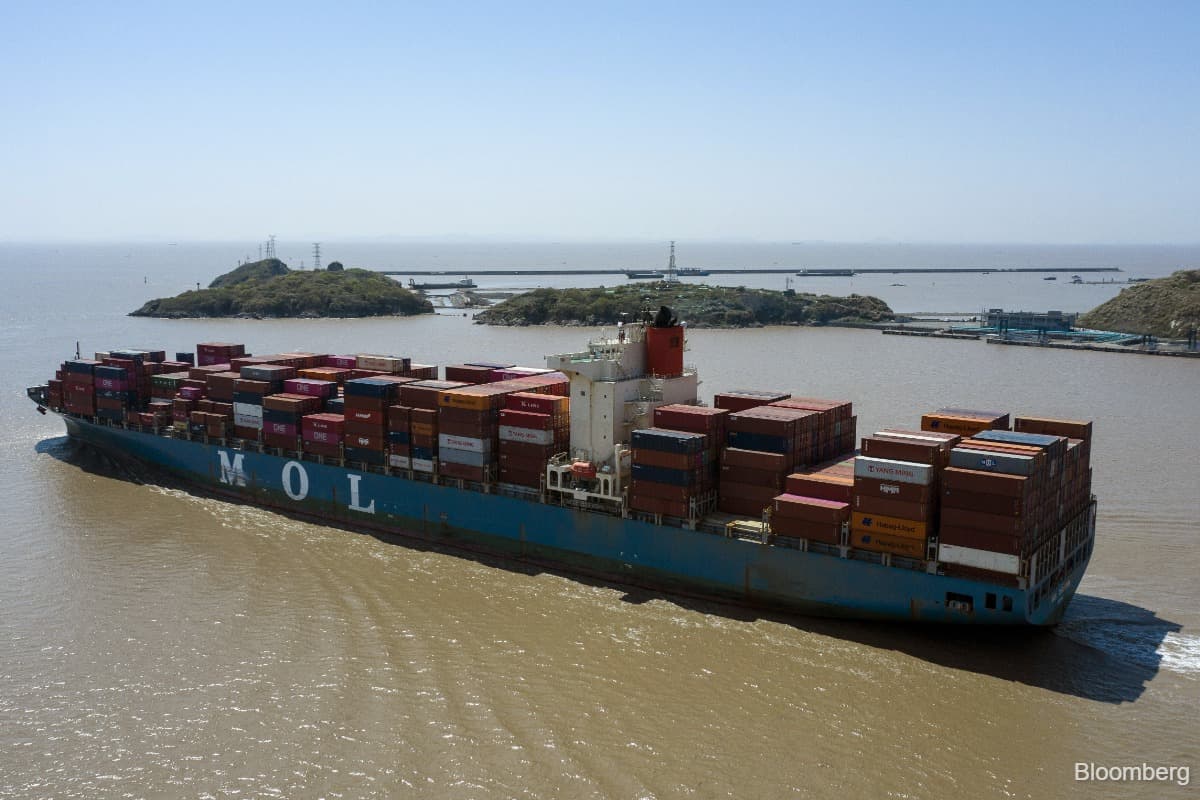
(Sept 17): Japan’s Mitsui OSK Lines Ltd is planning to sell a few of its older oil tankers to take advantage of a surge in vessel prices as the Middle East war strains shipping capacity.
“We should not miss the opportunity,” Chair Takeshi Hashimoto said on the sidelines of the Gastech conference in Bangkok on Wednesday. “The price is quite attractive for us,” he said, adding that one to two ships would be sold per year.
MOL, as the company is known, is one of Japan’s largest owners of oil and gas tankers, and operates a fleet of more than 900 vessels overall, including bulk carriers and container ships.
The strategy offer rewards, although shipowners that sell would have less control over supply chains. The wars in the Middle East and Ukraine are disrupting normal trade routes and forcing oil producers to use complex workarounds to get crude to customers in Asia and Europe, tightening shipping capacity and sending freight rates surging.
Other shipowners are scooping up vessels to ensure that they have readily available tonnage at any time. Persian Gulf nations have embarked on a tanker-buying spree so as to assert more control over oil exports through the Strait of Hormuz.
Currently, a five-year-old very large crude carrier can sell for about US$151 million (RM611.31 million), more than a newly built one that costs US$130 million, data from Signal Ocean show. That’s because shipbuilding yards are unable to take requests for new ships until the end of this decade. A 20-year-old tanker can go for about US$71 million, a 90% increase from a year ago.
Activist investor Elliott Investment Management LP said earlier this year that it took a “significant stake” in MOL as fleet values increased, and that it planned to nudge the shipowner to sell some of its vessels in order to improve capital efficiency.
Uploaded by Felyx Teoh