

(Sept 16): The US Senate failed on Tuesday to advance comprehensive cryptocurrency legislation backed by President Donald Trump in a major blow for digital asset companies and Republicans who had championed the bill for months.
The bill, called the Clarity Act, fell 10 short of reaching the 60-vote threshold needed to advance most legislation in the 100-seat chamber, as four Republican senators — Jerry Moran, Susan Collins, Josh Hawley and Thom Tillis — joined all the Democrats in voting against it. The vote was 50-49 in favour.
The vote effectively put the bill on ice, as Congress is set to depart Washington this month ahead of the November mid-term elections in which Trump's fellow Republicans are fighting to retain control of the House of Representatives and Senate.
Tillis switched his vote from yes to no in a procedural move that preserves his ability to bring the measure back up for reconsideration later.
Senate Republicans on Sunday night released a new text of the bill in a last-ditch effort to address concerns from the banking industry and some Democrats, but the opponents were not swayed.
The Clarity Act aimed to create a regulatory framework for digital assets, which crypto companies say would put them on a more solid legal footing. The deep-pocketed industry spent hundreds of millions of dollars campaigning to advance the bill.
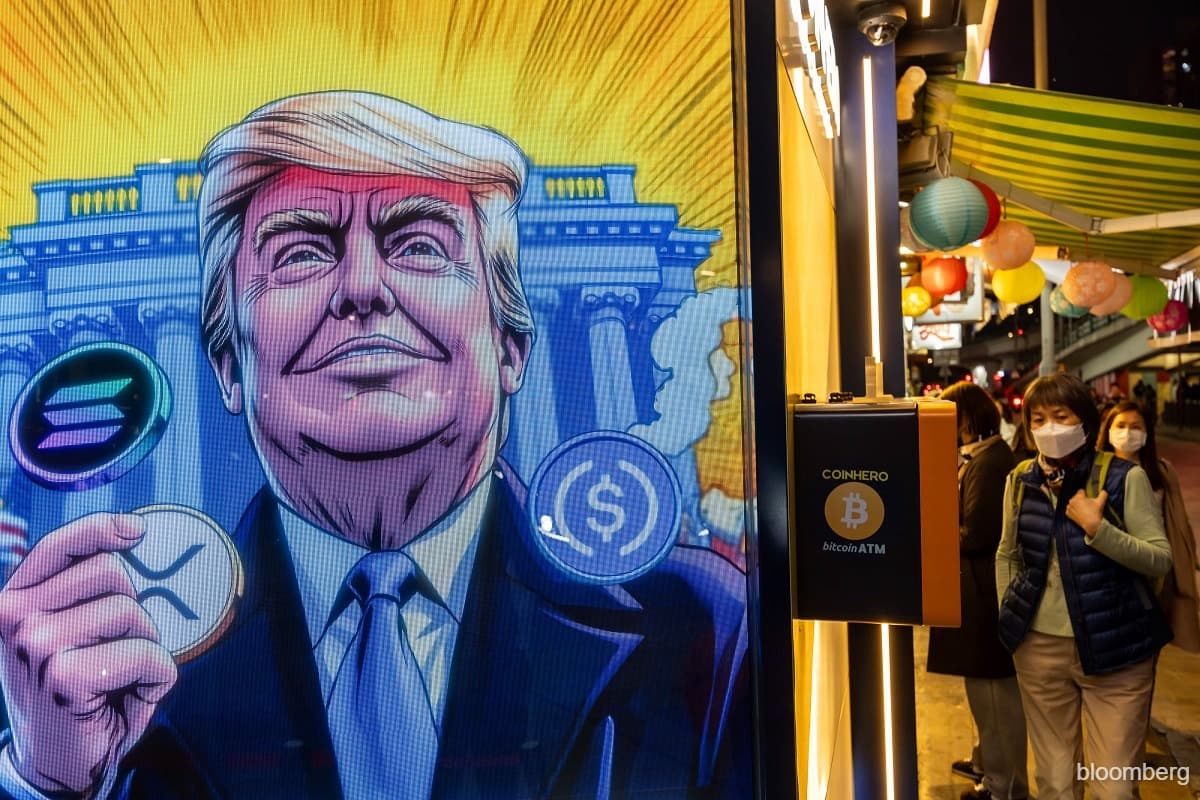
Trump, who has earned more than US$1.4 billion (RM5.7 billion) from his family's crypto ventures, had urged Congress to pass it. Trump courted cash from the crypto industry on the campaign trail during the 2024 election, calling himself a "crypto president."
His regulators, particularly the US Securities and Exchange Commission and the US Commodity Futures Trading Commission, will now be positioned to fill the crypto policy void, but efforts to write favorable rules for the digital asset industry could prove challenging.
Industry experts have said that only Congress can create a lasting regulatory framework. Without legislation, regulations will be vulnerable to the shifting political climate and court challenges, creating lingering hazards for the crypto industry, said executives and analysts.
The Trump administration's own extensive rollback of dozens of SEC and consumer watchdog policies introduced under former Democratic president Joe Biden has underscored that risk.
Bitcoin, the world's largest cryptocurrency, fell more than 5% as the vote appeared on track to fail, its biggest daily percentage decline since June. Shares of crypto exchange Coinbase and stablecoin issuer Circle fell as much as 10%.
Uploaded by Magessan Varatharaja