

KUALA LUMPUR (Sept 15): Global networking devices and accessories provider TP-Link Distribution Malaysia Sdn Bhd has launched WiFi 8, a new technology designed to strengthen coverage, manage congestion and reduce interference.
TP-Link manufactures computer networking equipment and smart home devices, including mesh systems, WiFi routers, security cameras and robot vacuums.
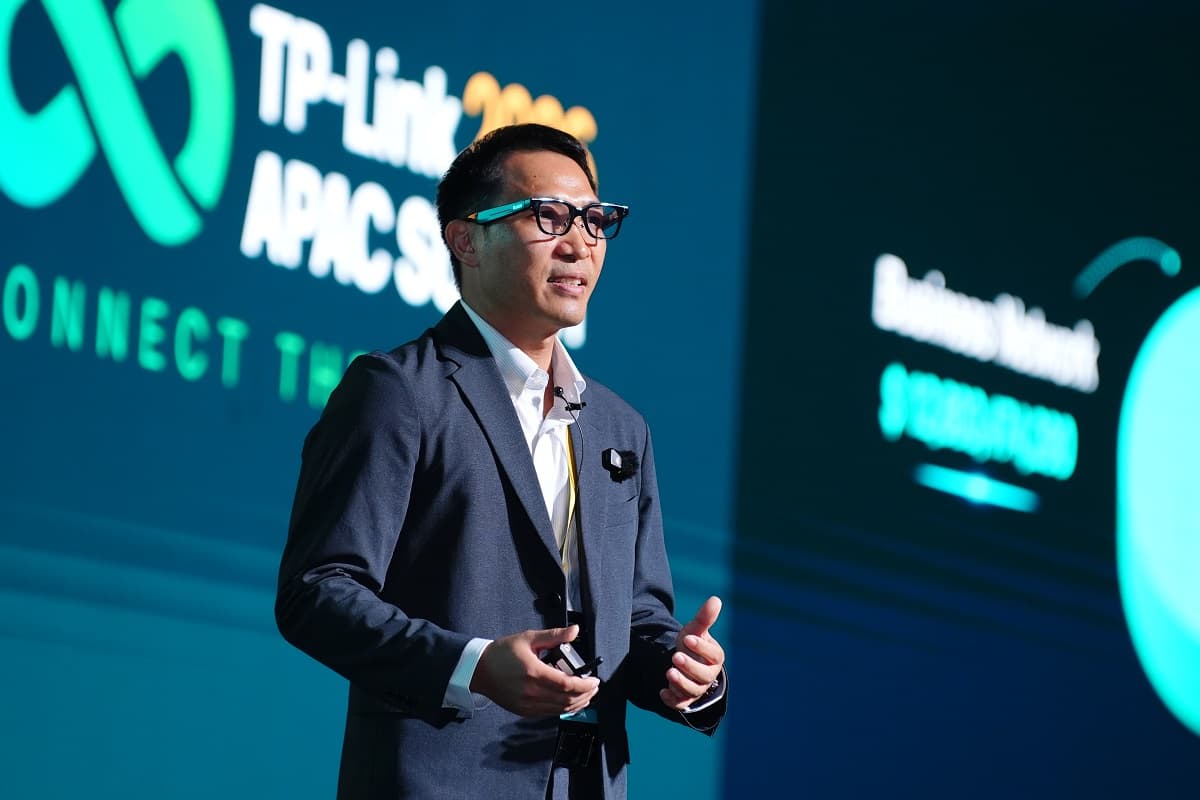
“Over the past two years, artificial intelligence (AI) has reshaped our world at a pace we have never seen before, from AI to AI agents and digital humans to intelligent robots operating in the physical world. Our networking and security sectors are also evolving at a dramatic pace…We are stepping into a new era with greater connectivity, rapid change, and new opportunities,” said Brian Dong, TP-Link’s Asia-Pacific (Apac) vice-president, during TP-Link’s Apac Business-to-Business Summit 2026 on Tuesday.
“That's why we are here today. We are not just here to look back at the growth over the past two years. More importantly, we are here to answer one question: How do we connect the future?” he added.
The models will be categorised into five tiers: Max, Pro X, UR and Basic, and can be installed on walls, ceilings and outdoors. The Pro model is expected to be available in the first half of 2027, while the remaining models will be available in the second half.
For home users, TP-Link will offer two models: the Archer 8 Ultra router and the Deco 8 Ultra whole-home mesh system. Both can be connected instantly with a simple tap using NFC, without the need for passwords, and are already available for pre-order on the company’s website.
Once commercially available in the first half of 2027, WiFi 8 is expected to deliver up to 30% higher throughput, up to 24% better interference handling and up to 15% stronger mesh performance compared with WiFi 7.
Dong also said TP-Link has collaborated with University Malaya, Multimedia University Cyberjaya and Mara University of Technology to introduce Omada networking courses and hands-on training in classrooms and campus laboratories to build technical capabilities for increasingly connected and AI-enabled environments.
“We plan to sign with another 12 more universities in Malaysia and we will roll out similar partnerships in India, the Philippines, Indonesia and Vietnam,” he said.