

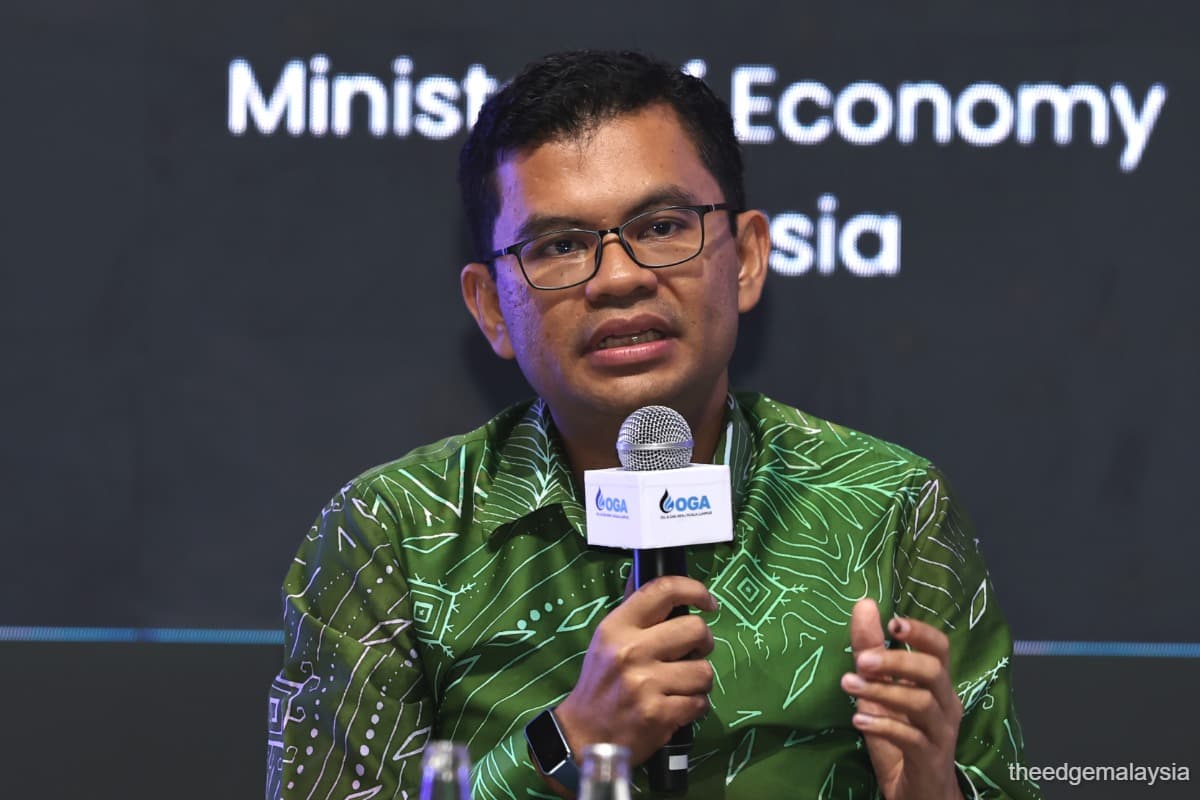
KUALA LUMPUR (Sept 9): Energy reform can no longer be viewed solely as a sectoral or regulatory matter, but must be recognised as an integral part of Malaysia’s broader economic agenda, said Economy Minister Akmal Nasrullah Mohd Nasir.
“Energy reform is no longer only a sectoral or regulatory matter. It is central to economic policy,” he said at the Energy Regulatory Insights 2026 forum organised by the Energy Commission.
He noted that the cost, reliability and carbon profile of energy would increasingly influence investment decisions, industrial competitiveness, technology deployment and the ability to protect the interests of the people.
Akmal Nasrullah outlined three key priorities for the next phase of reform: building a competitive and progressive energy market, modernising the electricity grid, and treating energy efficiency as an energy resource in its own right.
Developing a competitive and progressive energy market, the minister noted, requires a clear, predictable regulatory framework with transparent access arrangements.
Such regulations are necessary to shield consumers and maintain system reliability while offering the legal certainty that private entities need to invest capital and innovate, he said.
Akmal Nasrullah said expanding generation capacity requires a modernised, intelligent, and visible power grid. Upgrading this infrastructure, he said, is vital to stabilise variable renewable energy, manage battery storage systems, and safely integrate high-demand industrial consumers like artificial intelligence (AI) data centres.
At the same time, scaling up power generation demands a modern, intelligent, and secure electricity grid. This infrastructure overhaul is essential to balance fluctuating renewable energy, manage battery storage, and safely accommodate high-demand users.
The minister added that the government elevates energy efficiency into a primary resource. By actively curbing power waste, the nation aims to reduce corporate operational expenses, relieve grid strain, and cut greenhouse gas emissions, he said.
“Efficiency reduces operating costs, eases pressure on the system and strengthens competitiveness,” Akmal Nasrullah noted.
The two-day Energy Regulatory Insights forum brought together policymakers, regulators, industry players, investors, and others to discuss the reforms needed to strengthen Malaysia’s energy system and support long-term economic growth.