

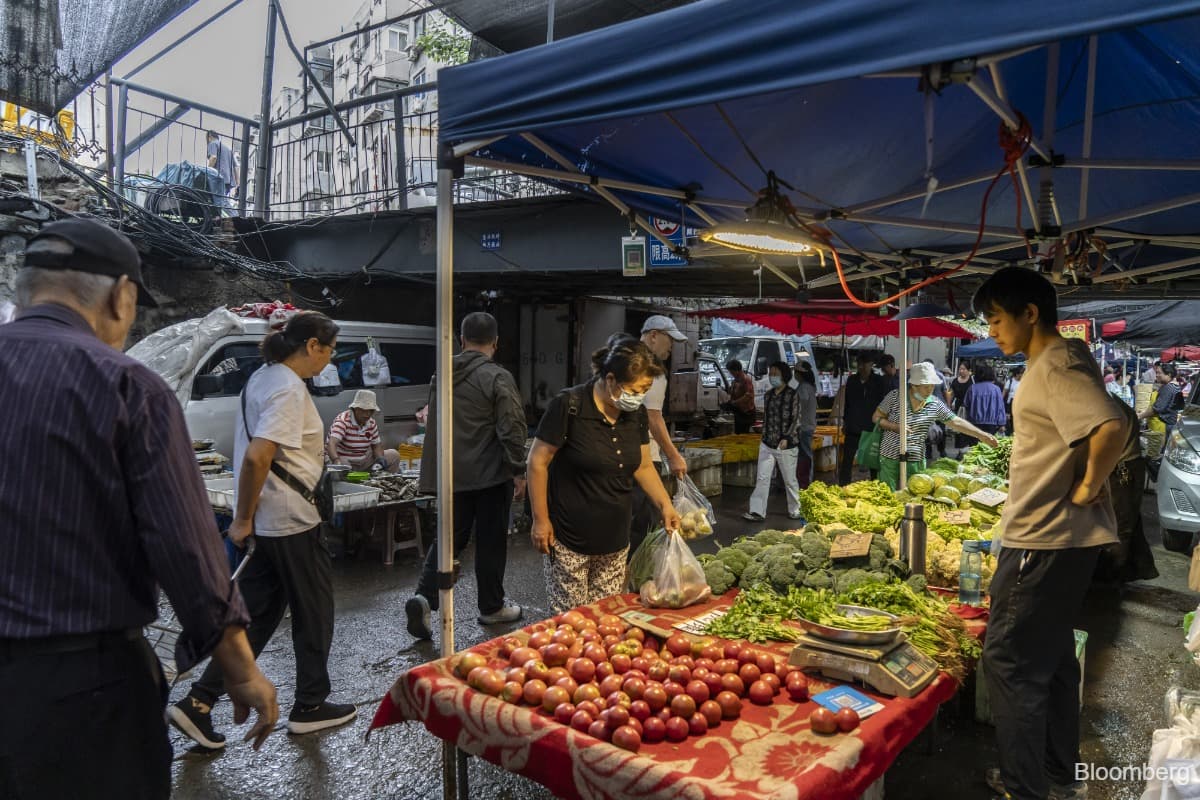
(Sept 9): China’s consumer inflation accelerated for the first time since April and factory-gate prices grew faster than expected, as more expensive food and energy revive cost pressures.
The consumer price index (CPI) rose 0.8% in August from a year earlier, in line with forecasts and up from 0.5% in the previous month, according to data released by the National Bureau of Statistics on Wednesday.
Producer inflation rebounded to 3.8% from 3.5% in July, exceeding the median forecast of 3.6%. The core CPI, which strips out volatile food and energy prices, rose for the first time in four months to 1%.
Energy prices contributed 0.28 percentage point to the headline year-on-year gain for consumer inflation, NBS statistician Dong Lijuan said in a statement. Some food costs are also starting to pick up because of seasonal factors and weather conditions, with prices for fresh vegetables, eggs and pork rising in monthly terms.
The yuan was little changed after the date release, hovering near the strongest level since early 2023. The yield on 10-year government bonds was also steady at 1.68%.

Just months after emerging from a record bout of deflation, China is struggling to maintain upward momentum for prices during a deepening economic slowdown and amid a fiscal pullback by the government. Frail consumer spending has also limited the extent to which factories are able to pass on their growing production expenses from higher global prices for oil, chips and metals.
Still, the resumption of hostilities between the US and Iran is stoking fears of deeper disruptions through the Strait of Hormuz, affecting supplies of oil, gas and other commodities and boosting energy prices and inflation. Brent oil moved closer to US$100 a barrel on Wednesday after the US struck Iranian tankers near the vital crude-export hub of Kharg Island.
Adding to the higher costs of energy, a shortage for semiconductors and other electronics has sent some chip prices soaring as much as 700% over the past year. Prices of non-ferrous metals like copper have also surged, fuelled by anticipation that President Donald Trump will expand US tariffs to imports of refined metal.
Booming demand stemming from AI is also starting to feed into prices. The cost of tablets, computers and phones all climbed at double-digit rates from a year ago, reflecting a global investment supercycle in artificial intelligence.
A rebound in global gold prices last month added to factors boosting consumer inflation again. The CPI category of “miscellaneous goods and services” — which includes jewellery — rose 7.3% from a year earlier, reversing a slowdown that started in March. Gold jewellery became 34% more expensive.
Increases in the PPI index are still mostly driven by commodities and products benefiting from higher oil and chip prices. Industries related to coal, metals, energy, chemicals and electronics reported a surge in output prices.
Prices of consumer durables at the factory gate rose 1.2% in August, the fastest pace in data going back to 1996. The huge upswing was probably a result of higher chip costs pushing up prices of home appliances.
Uploaded by Chng Shear Lane