

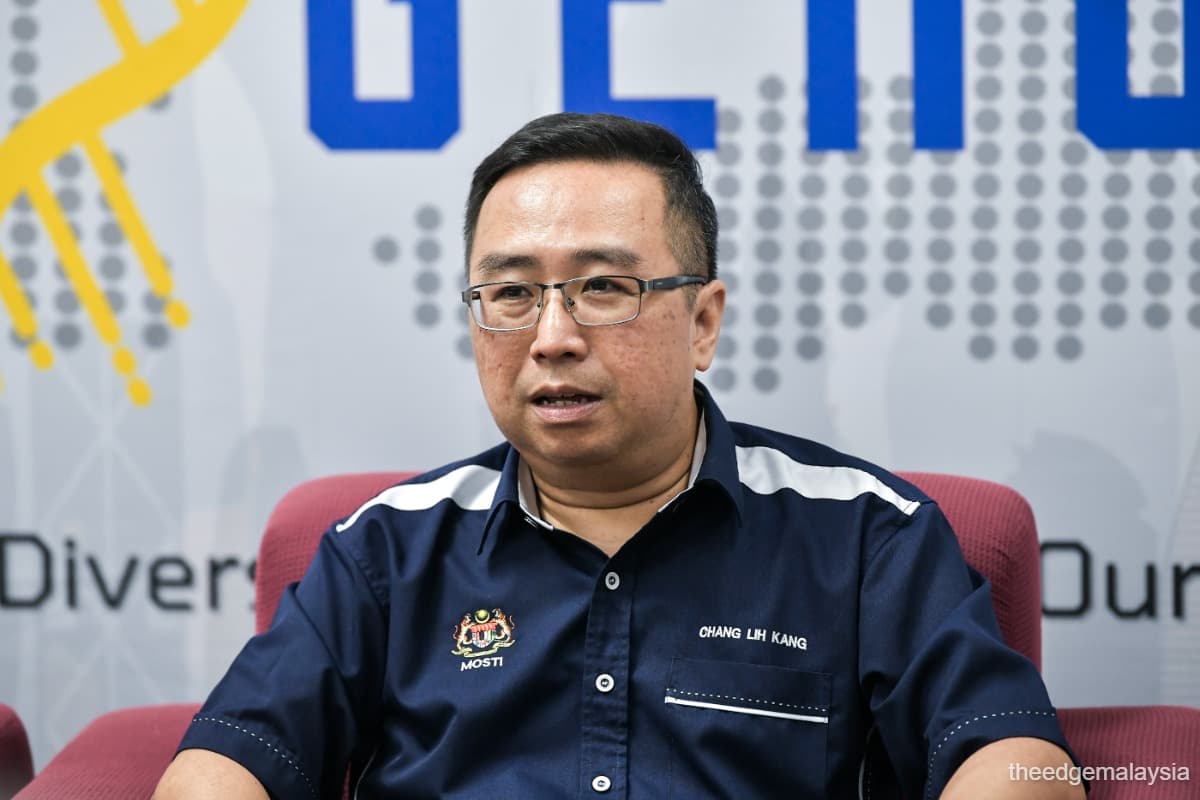
GEORGE TOWN (Sept 8): Malaysia is already studying the potential role of nuclear energy in its future energy mix, with the government also undertaking preparatory work in technology, talent and regulatory development.
Minister of Science, Technology and Innovation Datuk Chang Lih Kang said, however, the ongoing preparations did not mean the government had decided to adopt nuclear energy as a source of power.
"Of course, we are now doing the preparatory work. It does not mean that we have already made a decision but we need to be prepared so that our regulatory framework is ready, our talent is ready, and at the same time, we need to ensure the industry is also ready.
"Three areas fall under the Ministry of Science, Technology and Innovation's (Mosti) portfolio in relation to the nuclear energy preparedness efforts (technology, talent and regulatory development), while the other areas will be considered by the Ministry of Energy Transition and Water Transformation (Petra)," he said.
He told reporters this after officiating the ninth edition of the Engineering, Science and Technology Congress (ESTCON 2026), organised by Universiti Teknologi PETRONAS (UTP), here on Tuesday. The event was also attended by UTP Chancellor Tan Sri Dr Mohd Hassan Marican.
Chang said that Malaysia's growing energy demand, driven by the expansion of strategic sectors such as semiconductors, advanced manufacturing, artificial intelligence (AI), cloud computing and hyperscale data centres, required the country to consider a full range of options for its longer-term energy needs.
He said the preparations required more than technological assessments, stressing that Malaysia also needs strong scientific and engineering capabilities, a robust regulatory and safety framework, a highly competent workforce and domestic industry readiness.
"Malaysia must ensure that its economic and technological growth are supported by energy that is secure, affordable and increasingly sustainable, as well as that Malaysia must also strengthen its capabilities in strategic and emerging technologies, including AI, advanced materials, space and nuclear technologies," he said.
Chang noted that the efforts were aligned with the National Science, Technology and Innovation Policy 2030, which provides strategic direction for strengthening Malaysia's science, technology and innovation (STI) capabilities through research and development, future-ready talent, technology adoption and innovation.
The minister also said Malaysia's STI ambitions also extended to the regional level, with greater Asean cooperation needed in areas such as energy connectivity, digital infrastructure, research and emerging technologies.
He added that such collaboration would be crucial in strengthening the region's collective resilience and competitiveness amid rapid technological change, climate challenges and geopolitical tensions.
Uploaded by Liza Shireen Koshy