

(Sept 8): Canada imposed tariffs of 15% to 50% on hundreds of products from the US on Tuesday, as Prime Minister Mark Carney bets that standing up to President Donald Trump will eventually help Ottawa’s negotiating position with its biggest trading partner.
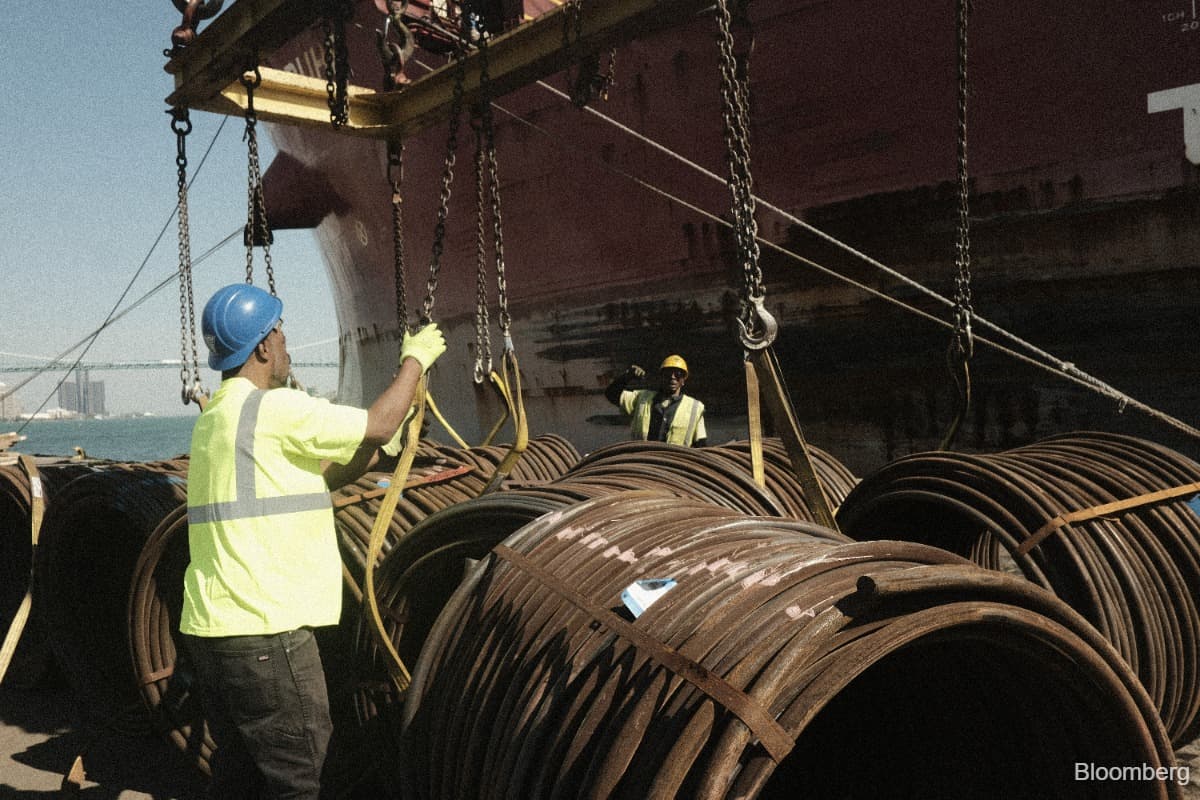
Carney’s government increased the import tax on many US steel items to 50% from 25%, and applied tariffs to a range of consumer goods — motorcycles, cosmetics, cheese and more — at 12.01am New York time.
The measure will hit US exporters particularly hard in states such as Michigan and Ohio that do a lot of business with Canada and host heated races in November’s midterm elections.
It’s a calculated risk for Carney, who a year ago removed many of the counter-tariffs his predecessor, Justin Trudeau, had implemented. Trump administration officials have repeatedly said they won’t tolerate retaliation and noted that only two countries, Canada and China, have used counter-tariffs.
US officials have declined to specify how or when Trump may respond with fresh measures of his own.
“Canada’s retaliatory tariffs are meant to make the cost of this trade war real enough for American businesses and consumers that Washington sees a clear incentive to return to the table,” said Brian Clow, who was a senior Canadian adviser on trade and US relations under Trudeau. “Canada isn’t imposing these tariffs because it wants a trade war. It’s imposing the tariffs because it wants the trade war to end.”
Trump on Monday threatened in a social media post to bar sales of Bombardier Inc jets in the US, accusing the Canadian company of living “off American buyers”.
Bombardier has more than 2,800 US-based suppliers. Its Global 7500 jet has wings made in Texas, avionics made in Iowa and motors made in Indiana, for example.
Shares of Bombardier, which is based in the Montreal region, were down 3.3% as of 9.40am in Toronto on Tuesday.
US and Canadian negotiators sought for weeks to reach a deal to lower trade tensions and had appeared to agree on the broad terms. Trump even announced on Aug 18 that they had a preliminary deal and gave three days to work out the details. Then it fell apart.
From the US Trade Representative’s (USTR) perspective, the deal the US offered to Canada “is probably not on the table anymore”, Kate Kalutkiewicz, a former USTR negotiator who now leads the trade practice at McLarty Associates, told Bloomberg Television on Tuesday. “They are going to wait for Canada to come back.”
The collapse of those talks ushered in two weeks of venting and criticisms from both governments. Each side blamed the other for torpedoing an agreement in the final hours. They were still sniping over the weekend: Treasury Secretary Scott Bessent on Fox News compared Canada to a “little yippy dog” barking at a much larger one.
Trump lobbed another veiled threat on Sunday, saying in a Truth Social post “Canada’s (currency) dollar imbalance with the US is unacceptable. It has been that way for years — but no longer!” The White House declined to clarify what he meant.
US tariffs of 50% on about US$20 billion (RM81 billion) worth of Canadian goods took effect on Aug 22. Canadian officials announced the details of their counter-tariffs three days later, which target a roughly equal dollar amount of American goods.

The Trump administration has threatened to respond with additional measures against Canada, teeing up the prospect of the trade dispute spiraling even further. US Trade Representative Jamieson Greer has signalled that more tariffs and even outright bans on certain imports from Canada are possible, but the timeline is unclear.
In the meantime, Trump signed an order to rename Lake Ontario as “Lake America” on US maps and posted numerous social media messages disparaging Canada. His officials openly accused Carney of sabotaging the negotiations.
“They decided for political reasons, domestically, they’d rather fight with Donald Trump, even if it’s bad for the economy of Canada,” Commerce Secretary Howard Lutnick said on Bloomberg Television.
A Canadian official, speaking on condition they not be identified, said that as of Sunday afternoon, no new meetings were scheduled with the US administration. Neither the White House nor Greer’s office responded to requests for comments in the days before Carney’s newest tariffs were set to take effect.
‘Written in pencil’
Carney, 61, has said the White House made “unacceptable” demands that would have infringed on Canadian sovereignty and hurt its industries, including heavy trucks.
The prime minister also took a verbal jab at the Trump administration’s willingness to tear up or ignore trade agreements such as the US-Mexico-Canada Agreement. “We recognised that sometimes its signature was written in pencil,” he said.
Public opinion surveys show support for Carney’s decision to walk away from negotiations and to punch back with counter-tariffs. A poll conducted by Nanos Research for Bloomberg News last week found nearly three-quarters rated his handling of the trade file as “good” or “very good”.
While the talks collapsed in sudden fashion, both sides have signaled since then that some sticking points have been resolved.
The Americans have dismissed Carney’s claim that French language rights are a deal-breaker — an issue the Canadians have publicly noted is effectively resolved.
While Carney suggested last week to reporters that the US was willing to extend auto tariff relief to medium- and heavy-duty vehicles, a US official, speaking on condition of anonymity, called that claim false.

Even with other issues unresolved, there are reasons to believe that it’s in Canada’s interest to try to negotiate a truce and de-escalate the situation.
The performance of the Canadian economy has been uneven. After a period in which it stalled, growth bounced back in the second quarter. The number of people with jobs has increased by just 3,400 per month this year, on average. The lay-off rate is higher in industries dependent on US demand for exports, according to data from Statistics Canada.
Canada’s counter-tariffs may help protect some domestic manufacturers, but they will increase costs and leave many of its industries worse off, according to a report from Tony Stillo and Michael Davenport of Oxford Economics. They estimate that the combined effect of the US tariffs, Canadian retaliation and related federal support programs will reduce output by about 0.3%, compared with its baseline forecast.
That report takes into account only the tariffs that have been announced — not the possibility of another ratcheting up of the trade hostilities.
‘Durable’ deal
After talks collapsed last month, Trump announced that he would hike tariffs on autos to 50%, from 25% currently, and also impose a 50% rate on auto parts, with both effective Jan 1. He hasn’t yet taken formal steps to implement those levies and it’s not clear whether that amounts to his promised retaliation on Carney’s tariffs.
Carney said last week his government is seeking a “durable” agreement. “We’re ready to sit down and strike that deal when the Americans are ready,” he said, while reiterating that he won’t sign anything unless it allows the Canadian automotive, steel and aluminium industries to stay competitive.
House Speaker Mike Johnson also called for talks to resume.
“I think everybody wants that to happen,” Johnson said last Thursday, a day after Greer briefed House Republicans. “We need Canada to come to the table, and be in good faith, and work through this, because it’s very important for both countries, and the members of this body believe that, and I think most Canadians do as well.”
Uploaded by Tham Yek Lee