

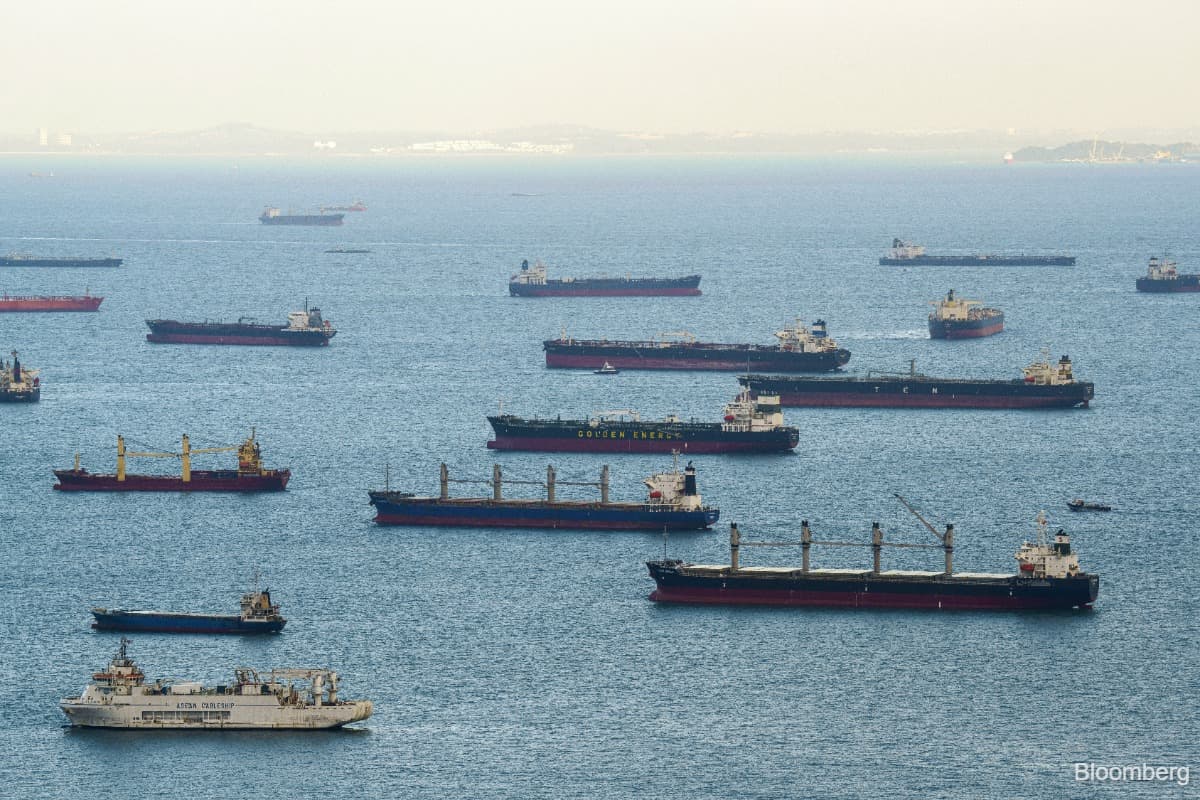
(Sept 7): Global oil markets are showing fresh signs of strain after months of war, as conflict-weary traders, anxious buyers, and under-pressure executives huddle in Singapore for the region’s main industry gathering.
More than six months after the US-Iran conflict erupted, Brent crude is threatening to spike back above US$100 a barrel, fresh vessel attacks in the Strait of Hormuz are jeopardising a further recovery in flows, and among products, diesel faces extreme tightness. The outlook for Chinese demand — a key swing factor in the global market — remains murky, complicating forecasts.
Crude markets have been stress-tested in 2026 by the hostilities in the Middle East, as well as the conflict between Russia and Ukraine. With oil inventories being drawn down, winter now approaching in the Northern Hemisphere, and inflation concerns picking up, all those issues — and more — will be on the agenda at this year’s Asia Pacific Petroleum Conference by S&P Global Energy, which kicks off on Tuesday and runs through most of the week.
“Conversations will no doubt centre around the lack of inventory buffers, ‘unsolvable’ diesel markets, Hormuz transits, and the Middle Eastern and Russia-Ukraine conflicts,” said Amrita Sen, founder and director of Energy Aspects Ltd, and a veteran market analyst who’ll be attending APPEC.
Singapore makes for a natural venue as the region’s principal crude-trading hub, as well as a major centre for refining, financing and logistics. Headline speakers this year include Russell Hardy, head of Vitol Group, as well as representatives from Middle Eastern producers, and banks including Goldman Sachs Group Inc. The main venue will be downtown, but that’ll be complemented by a vast array of smaller, glitzy, after-hours parties.

Import-reliant Asian economies sit at the heart of the unfolding energy-market stress as they were most vulnerable when Iran choked off energy flows through the Strait of Hormuz. The subsequent US blockade of the Islamic Republic’s ports has also been disruptive, particularly for main buyer China.
With Brent currently above US$96 a barrel and freight rates booming, participants will come to APPEC with very different perspectives. While international traders, non-Middle East producers and shippers are enjoying fat profits, the situation has been far more challenging for buyers, especially in Asia.
What delegates will address is a market still in flux. Greater volumes of crude have been covertly ferried through Hormuz in recent weeks under US protection, the Trump administration has claimed repeatedly. Still, alternative barrels including Russia’s ESPO, US West Texas Intermediate, and African grades are still being bid up, with interest from India and some European buyers.
Tough talks
Beyond the plenary sessions, and the myriad, sought-after roof-top parties, much of APPEC’s value lies in sideline sessions between producers and buyers. This year, Persian Gulf suppliers like Iraq and Saudi Arabia will likely face negotiations with long-term customers over cancellations and costly diversions to far-away ports, as well as arrangements for next year’s cargoes.
“This year may well redefine oil-market pricing and relationships between key producers and consumers, with Hormuz flows unlikely to ever get back to pre-conflict levels,” said Energy Aspects’ Sen.
Since the outbreak of the war, market relationships and pricing structures have shifted. The United Arab Emirates made the shock move to quit the Opec cartel. Shortly afterward, Abu Dhabi National Oil Co — the nation’s lead producer — implemented a new pricing methodology that stands to alter regional trading dynamics.
At the same time, the magnitude of China’s appetite — or relative lack of — for oil will also be crucial to the outlook for balances and prices. In the early months of the war, Beijing scaled back monthly purchases, helping to rein in global demand and preventing prices from staying above US$100 a barrel for long.
“The biggest thing learnt over the last six months is the adaptability of the oil market, which has been possible largely due to China,” said Warren Patterson, head of commodities strategy at ING Groep NV. “Had China not demonstrated its ability to be a swing buyer, the market would look very different.”
Among products, diesel’s predicament stands to be a significant talking point, with a Russian export ban curbing global flows, while Hormuz transits remain problematic. Highlighting the squeeze, retail nationwide pump prices for the industrial fuel in the US have rallied to a record.
“Asia faces a difficult journey in a return to normalcy as it tries to restore oil supply lines,” said Patterson. “Supply from the Middle East is now irrevocably riskier, and as much as there’s been a push for diversification, refiners are still coming back to oil from the Persian Gulf.”
Uploaded by Chng Shear Lane