

(Sept 7): US bond investors are preparing for more turbulence across the maturity spectrum, with potential catalysts in the week ahead that may trigger big moves for both short- and long-term securities.
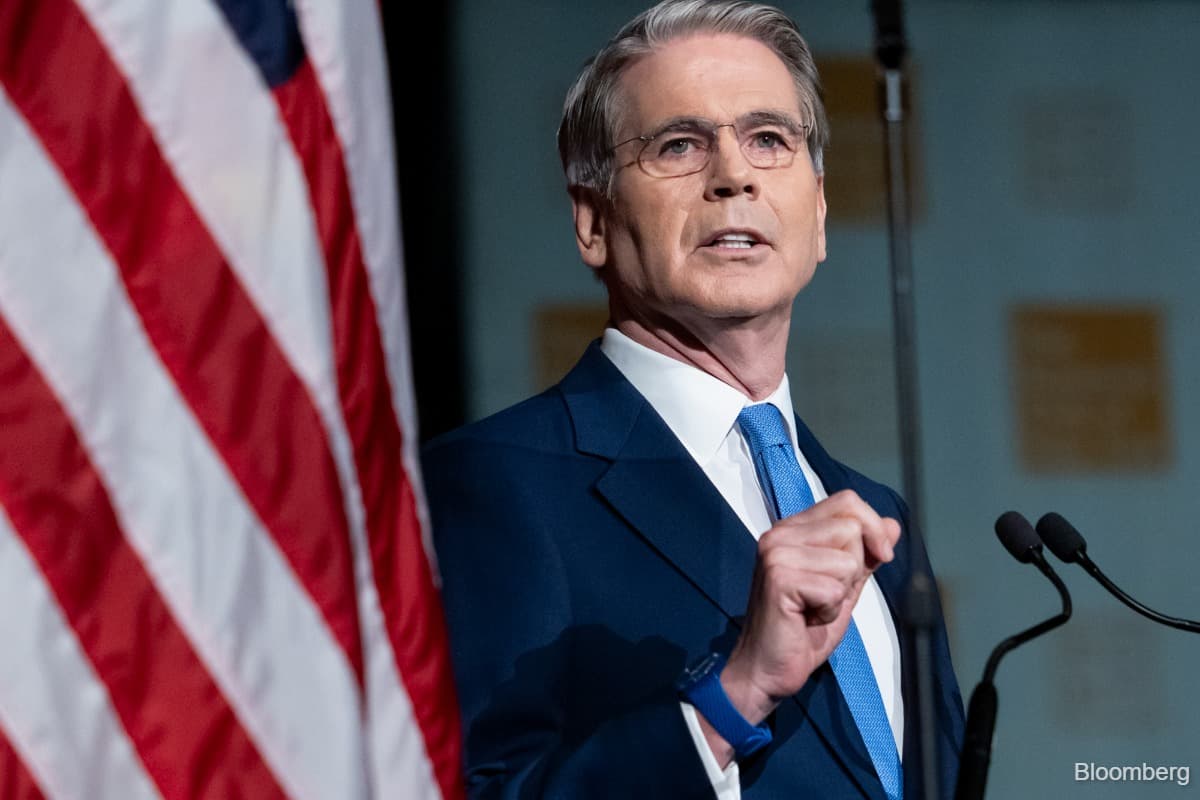
Coming off of the long US Labor Day weekend, after an already volatile week for government debt, traders will focus in on two key calendar items they expect will provide insights into the policy intentions of Treasury Secretary Scott Bessent and Federal Reserve Chairman Kevin Warsh.
On Wednesday, the Treasury is scheduled to announce details of abond buyback to be conducted the next day, under an expanded plan for at least double the original maximum amount — with multiples of three to five considered possible. Then Friday brings fresh data on inflation, which Warsh and his colleagues have suggested will be crucial in determining whether the Fed hikes interest rates later this month.
The two events tee up a potentially turbulent holiday-shortened week as investors continue to contend with competing forces governing US monetary, which tends to drive short-term yields, and fiscal policy focused on reining in longer-term borrowing costs.
On Friday, the yield curve flattened, with short-term yields rising and long-bonds holding steady, after US job growth data topped forecasts in August. That prompted traders to boost bets on a Fed hike this month, though lack of clarity over the Treasury and the Fed outlook limited the scope of the moves.
The jobs report “was the appetizer — the main course is on Sept 11 with the inflation data,” said Tim Musial, head of fixed income for CIBC Private Wealth. Meanwhile, the Treasury’s buybacks, unlike fundamentals such as growth and inflation, are “a challenge you can’t really forecast. Maybe you take a little less risk in that environment.”
The expanded buybacks program, which took investors by surprise because it was announced outside the Treasury’s regular quarterly announcement schedule, came after 30-year yields rose to the highest level since 2007 — a level they remain close to at around 5.25% as of Friday.
The department’s announcement said it would “at least double” the size of the operations from the previous amount of US$2 billion, providing wriggle room to let Bessent keep his options open. Anything more than US$4 billion could spur a bond rally.
Meanwhile, Warsh said in his Jackson Hole address last month that “the Fed’s predominant focus right now should be on prices.” Economists polled by Bloomberg forecast a 3.4% year-over-year increase for the August CPI, with the core gauge that strips out the volatile food and energy categories rising 2.4%.
As of Friday, investors were pricing in a roughly 60% chance of a quarter-point hike this month, based on the swaps market. The Fed’s next scheduled interest-rate announcement is Sept 16.
Uploaded by Isabelle Francis