

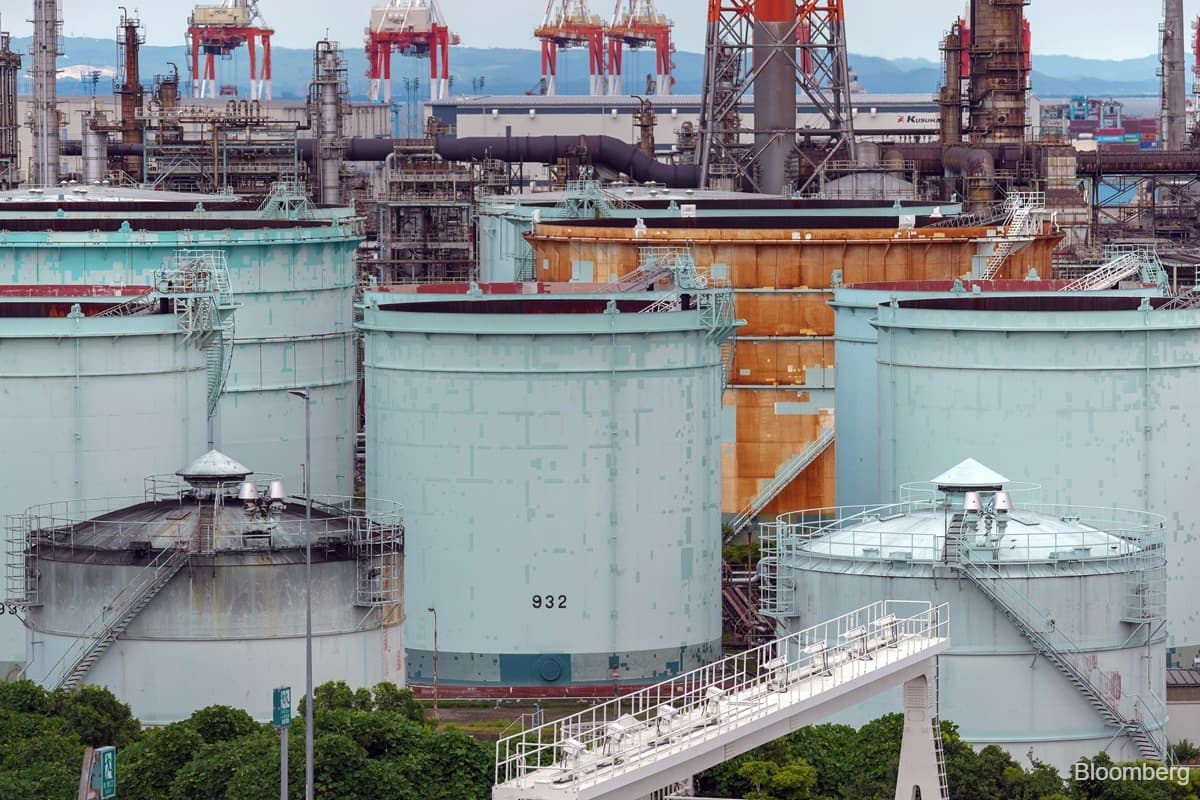
(Sept 3): Refiners in India and China, the world’s two biggest oil importers, are stepping up spot purchases of Middle Eastern crude and pushing prices higher.
Oil processors in both countries are bidding more aggressively for Persian Gulf barrels, competing with buyers in South Korea and Japan for supplies threatened by a flare-up in US-Iran hostilities. Benchmark Dubai futures have climbed to nearly US$100 a barrel, the highest since May, while physical premiums for Oman and Murban crude have also surged on concerns over disruptions from Iran and its proxies, such as Yemen’s Houthis.
New Delhi-backed refiners, led by the country’s biggest processor Indian Oil Corp, have accelerated purchases of Middle Eastern crude in recent days, said traders familiar with the matter. More buying may follow, including by private mega refiner Reliance Industries Ltd., they added, asking not to be named due to the sensitivity of the matter.
IOC and Reliance didn’t immediately respond to separate requests for comment.
Chinese state-owned PetroChina Co recently bought millions of barrels of crude from Saudi Arabia, Iraq and the United Arab Emirates on the spot market. Buyers have also purchased oil from as far afield as Brazil, Canada and Argentina, while some UK Forties crude is headed to China’s Sinochem. Rising refinery run rates are supporting demand for the feedstock.

While buying remains below prewar levels, the rush for cargoes is putting intense pressure on Middle Eastern crude prices. Abu Dhabi’s Murban commands a premium of more than US$30 a barrel to Dubai for delivery to East Asia, traders said. That’s at least US$10 more than the cost of delivering West Texas Intermediate oil from the US.
Supply remains constrained, leaving prices vulnerable to further gains. At least two Indian refiners have seen some August cargoes delayed into September or October. Traders are watching for any potential knock-on impact with evidence emerging that attacks on tankers late last month curbed supplies.
About six million to eight million barrels a day of Middle Eastern crude flowed through the Strait of Hormuz last week, though the recent attacks in the waterway may have reduced volumes. The US blockade has also curbed Iranian shipments to China.
Observed crude exports from the world’s biggest exporter Saudi Arabia have plunged to the lowest in records going back to early 2017, tanker-tracking data compiled by Bloomberg, Vortexa and Kpler showed.
Uploaded by Liza Shireen Koshy