

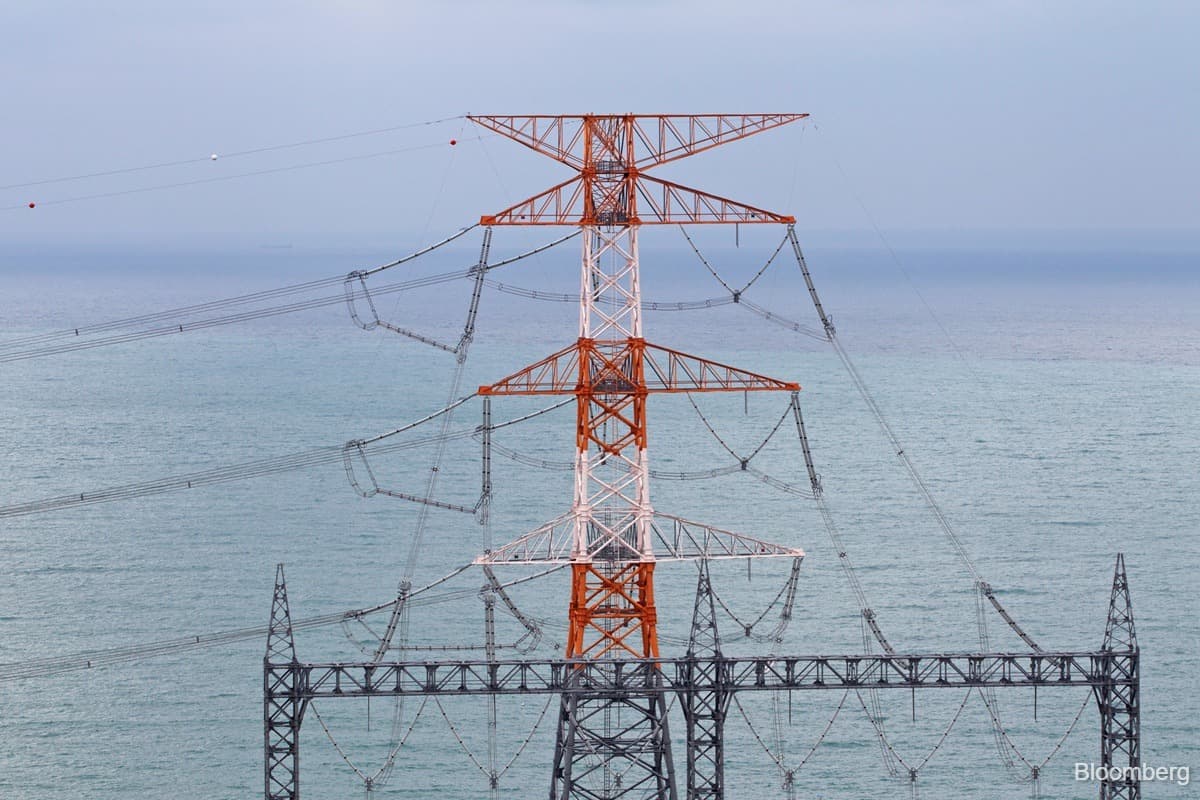
Korea National Oil Corp and Korea Gas Corp will be combined, as will five units of utility Korea Electric Power Corp, Vice Minister of Finance and Economy Heo Jang said at a press briefing. Korea Coal Corp, which has closed all its mines, will be liquidated, and four regional port authorities will also be consolidated.
The reorganisation — which should help the country better cope with surging demand from artificial intelligence and the semiconductor industry — is intended to combine institutions with similar functions, integrating subsidiaries and smaller entities, the government said. In all, the plan will affect 109 public institutions, or roughly 20% of the total, Heo said.
“The government has developed a plan to redesign the functions and roles of public institutions so they can focus on their core responsibilities by streamlining overlapping and redundant functions, shedding non-core activities, and better integrating fragmented work,” Heo said.
State-owned KEPCO has struggled for years to balance surging fuel costs with government efforts to maintain affordable electricity for its consumers and a growing tech sector. The war in the Middle East has heaped more pressure on the nation, forcing its companies to rush to replace oil and gas supplies disrupted by the near-closure of the Strait of Hormuz.
Authorities plan to move quickly on mergers and closures that don’t require legislative changes, he said, while working with the National Assembly, local governments and affected institutions on measures that require changes to existing laws or regulations.
Workers will be protected through the change, with the government shielding compensation and working conditions, Heo said.
Governments across Asia are grappling with a similar dilemma as higher fuel costs threaten to drive up inflation and weigh on economic growth. Japan has subsidised electricity bills for households and businesses, while Thailand is considering a separate power tariff for data centres as it seeks to attract investment without pushing up costs for other consumers.
Uploaded by Liza Shireen Koshy