

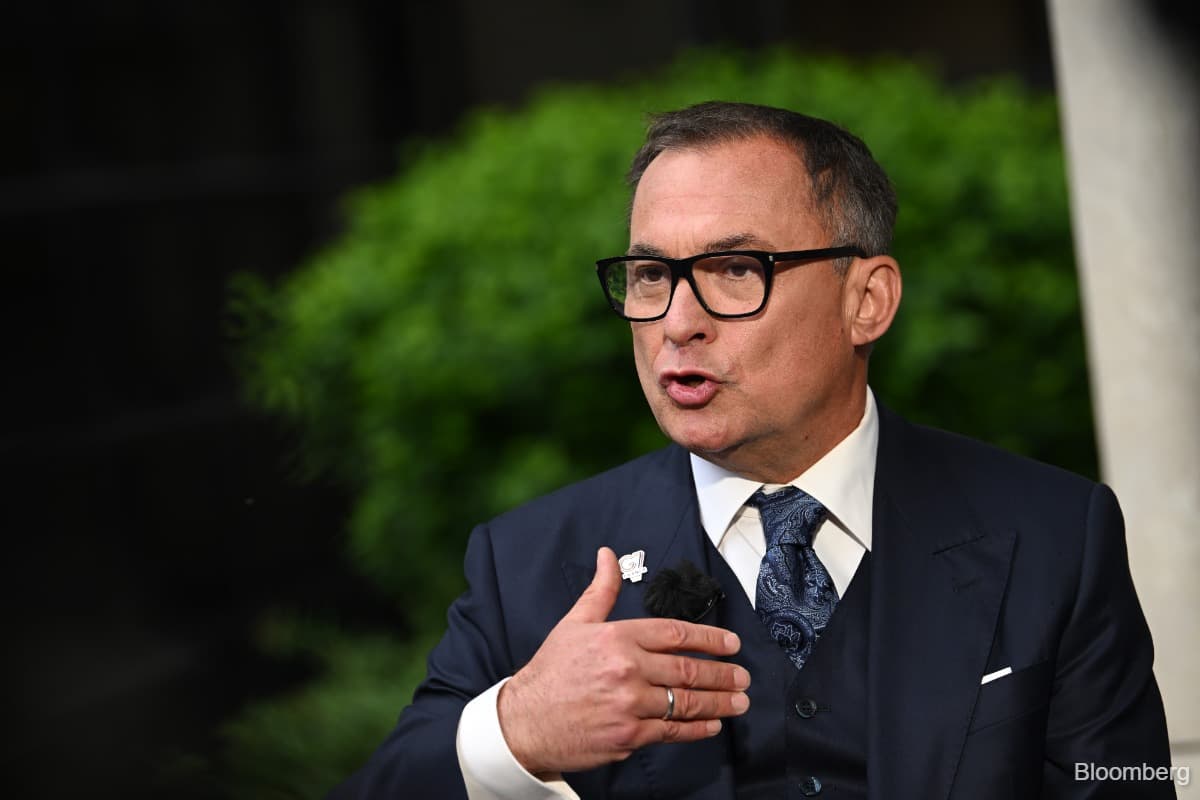
(Aug 2): Governing Council member Joachim Nagel indicated that the European Central Bank will raise borrowing costs next week, though he stayed wary of what comes after that.
“Markets are pricing in a probability of more than 95% that we’ll raise interest rates at our September meeting, and I’d say that the markets have a rather good understanding of how we’re likely to respond at this stage,” he told Le Monde in an interview published Wednesday.
However, the Bundesbank president did not commit to potential further moves, saying that “our meeting-by-meeting approach has served us well in the past and will certainly do so in the future”.
“Beyond that September meeting, however, I’m cautious about giving any specific guidance,” he said. “Oil and gas prices keep fluctuating. Financial markets are highly volatile. There is a great deal of uncertainty. It’s an uncomfortable situation — also from a monetary-policy perspective.”
Policymakers have widely telegraphed another rate hike next week following a quarter-point move in June. Euro-area inflation jumped to 3.3% in August, data on Tuesday showed, while the economy is proving more resilient than expected to headwinds including the Iran war.
“Inflation isn’t close to our medium-term target,” Nagel said. “It stands at around 3% rather than 2%. And according to the June projections, inflation will return to 2% over the medium term only if interest rates are higher.”
He warned that the likelihood of second-round effects, when inflation spreads to other parts of the economy and to wages, increases when price gains remain elevated for an extended period.
Commenting on the recent increase in global bond yields, Nagel said that it “complicates the situation”.
“Market participants are now demanding higher returns globally because they’re facing numerous uncertainties,” he said. “Within the ECB’s Governing Council, we’re taking these developments into account. The best we can do is focus on our mission: ensuring price stability in the euro area.”
Uploaded by Arion Yeow