

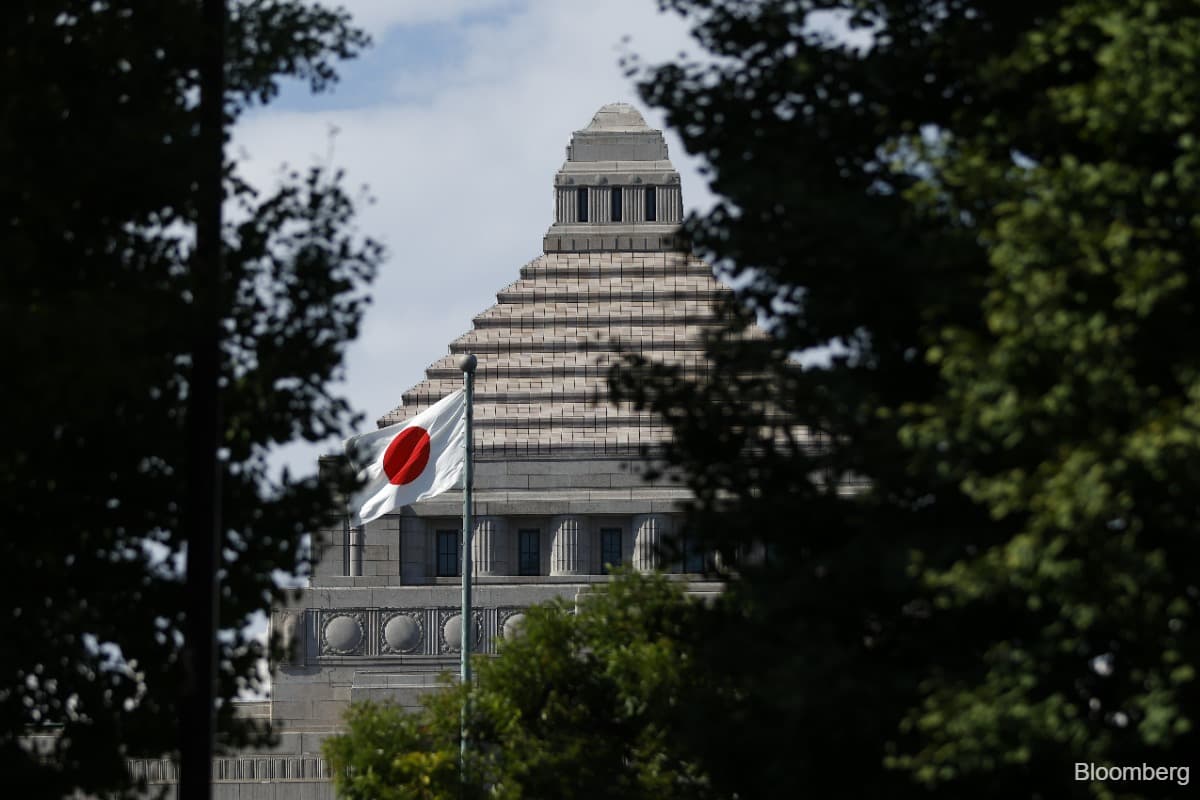
(Aug 31): Japan’s Industry Ministry is seeking an unprecedented ¥7.8 trillion (US$49 billion or RM200 billion) to accelerate investment in semiconductors, artificial intelligence (AI) and other strategic industries at the heart of Prime Minister Sanae Takaichi’s growth agenda.
The Ministry of Economy, Trade and Industry made the request Monday for the fiscal year starting in April 2027, as Takaichi calls for ¥370 trillion in public and private investment across key industries over 14 years.
The unusually large request also reflects an overhaul of the budget process that allows ministries to submit proposals without a spending ceiling in a single round, as the government seeks to reduce its reliance on supplementary budgets.
Asked whether the request was the biggest ever by the ministry, Yuko Tamai, a METI official who briefed reporters on the budget proposal, said the ministry hadn’t examined historical requests to make that determination. But she said the amount exceeds the combined ¥5.27 trillion allocated to METI in the current fiscal year’s initial budget and the previous year’s supplementary budget.
Of the ¥7.8 trillion requested, ¥6.31 trillion is earmarked for investments under the “strong and prosperous Japan” category, reflecting Takaichi’s initiative for revitalising the economy. The sum includes roughly ¥2 trillion for artificial intelligence, semiconductors and robots; ¥680 billion for securing critical minerals, including rare earths; ¥220 billion for strengthening naphtha supply capabilities; and ¥180 billion for enhancing defence and dual-use capabilities in cooperation with the Defense Ministry.
Those areas reflect the geopolitical and economic-security challenges Japan faces as global powers compete for supremacy in key technologies, the war in Iran disrupts supplies of oil and petroleum products, and China uses its dominance in rare earths as a source of diplomatic and economic leverage.
METI’s request, along with those from other ministries, will go to the Finance Ministry, which will compile the annual budget and determine how to fund the spending measures.
The focus will be on whether Japan, the most indebted developed economy, can finance the investments without further worsening its fiscal position. While inflation is boosting government tax revenue, the balancing act is daunting as Takaichi also seeks to cut the sales tax on food for two years without relying on debt-financing bonds.
Uploaded by Chng Shear Lane