

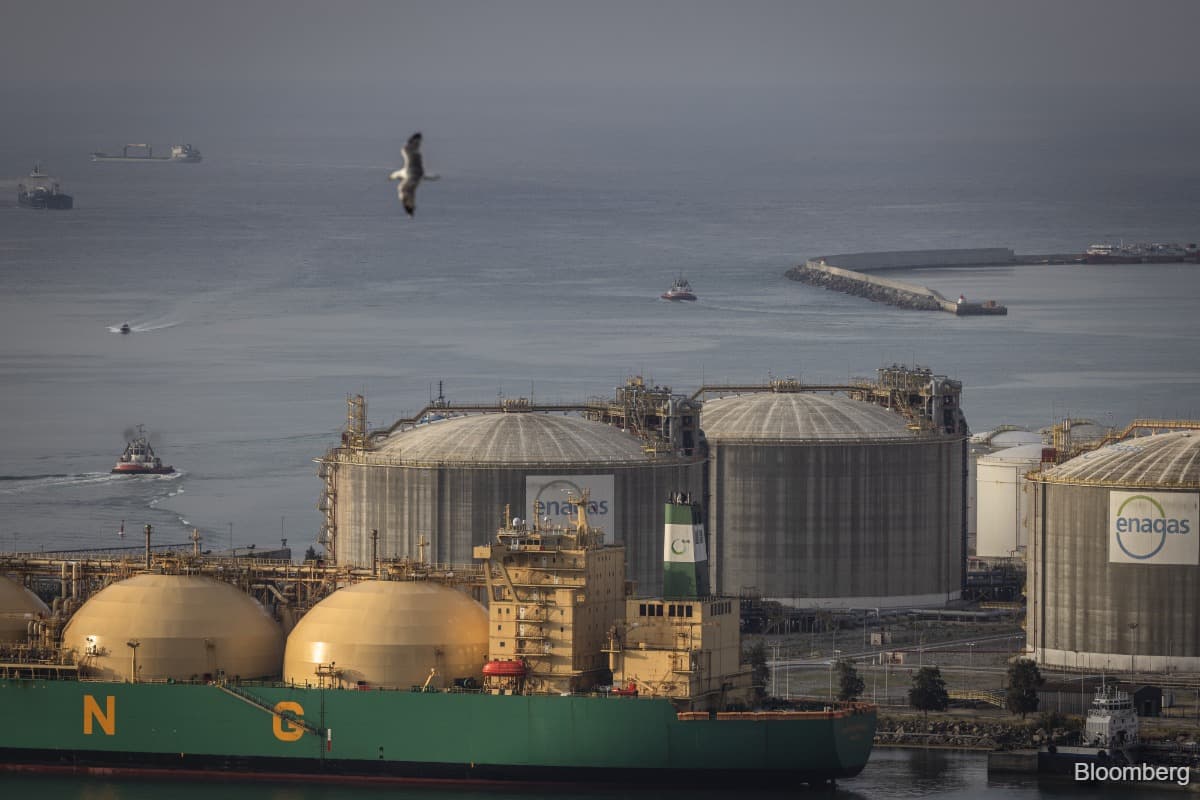
(Aug 26): Natural gas has overtaken oil to become the biggest concern for European bond traders as depleted supplies of the key fuel threaten a resurgence in inflation.
European gas prices are near five-month highs and winter contracts cost more than twice as much as they did a year ago. Yields on 10-year German and UK debt have touched levels not seen in decades even as Brent crude trades 30% below the peak hit on the back of the US-Iran war.
Investors are concerned that rising gas prices will reignite inflation, forcing central banks to increase interest rates more aggressively than markets currently expect. Gas plays a central role in the region’s economy, accounting for 21% of the EU’s energy mix and between 25% and 35% for the UK.
“The natural gas price is more relevant to the UK and Europe and never really recovered in any of the ceasefires and continues to leg higher,” said Emma Moriarty, portfolio manager at CG Asset Management. The firm has boosted the position of inflation-linked government bonds in its flagship multi-asset fund to a near-record 49%, prompted by the risk of sustained price pressures.

Bond yields have spiked on other worries too, including unsustainable public finances, a flood of borrowing by hyperscalers and unpredictable US policymaking. But market participants say gas is now the biggest energy-related risk to the outlook for European and UK interest rates, even though prices remain way below highs hit after Russia invaded Ukraine in 2022.
“Natural gas prices have taken over as the key driver of yields,” said Jamie Searle, European rates strategist at Citigroup. “Since the beginning of July, duration has continued to track natural gas prices and paid somewhat less attention to oil,” he added, pointing to the correlation with benchmark 10-year bonds.
The war in the Middle East prompted governments and companies to delay refilling tanks, hoping that the conflict would be short and prices would moderate. Meanwhile, extreme heat boosted demand over the summer, leaving gas storage just 63% full, the lowest for the time of year since 2009.
The Strait of Hormuz typically accounts for about 20% of global LNG supply and unlike in oil, there are no alternative routes to get that gas to market and few strategic stockpiles to help absorb the shortfall.
Strategists at RBC Capital Markets including Megum Muhic wrote in a note on Aug 13 that a “potential energy crisis is emerging in gas markets", one with “far wider inflation pass-through than oil".
Asymmetric risks
The European Central Bank has already increased rates once this year while the Bank of England has been on hold. Money markets are pricing one hike by both central banks by the end of this year, followed by another one by September 2027.
Some market participants say those assumptions may have to change, given the risk of higher gas prices and the lack of agreement between the US and Iran on reopening the Strait of Hormuz.
“This latest inflation threat stemming from energy storage difficulty and the impact of the summer heat wave and drought makes us more cautious,” said Steven Barrow, head of G10 strategy at Standard Bank. “We have our trigger finger ready to adjust our rate forecasts upwards.”
Even a breakthrough in the Middle East that sends oil prices lower may not be enough to ease the pressure on interest rates if gas supply concerns continue, according to RBC’s strategists.
“This leaves the risk profile for rates asymmetric: limited upside for markets, significant downside if the situation escalates,” they wrote.
Uploaded by Arion Yeow