

(Aug 24): Cathy Hepworth, who heads US$1.5 trillion (RM6.1 trillion) asset manager PGIM’s emerging-markets debt team, doesn’t hesitate when asked about her highest-conviction theme across the developing world: “Carry, carry, carry.”
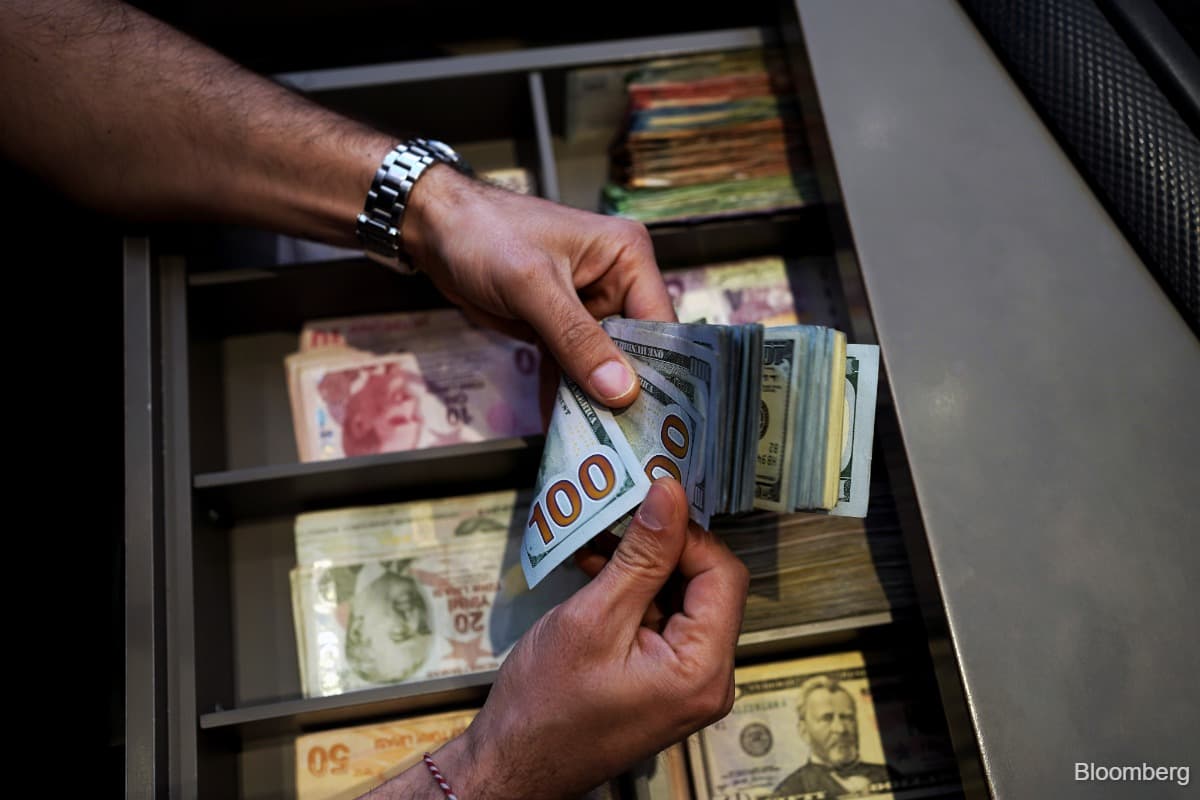
She’s referring to a popular but often risky trade in which investors borrow cheaply in currencies like the US dollar, Japanese yen, or euro, and put the money to work in higher-yielding currencies like the Turkish lira, where interest payments on bonds or money-market funds can be as much as 40% or higher.
Carry trades funded by the US dollar are on their longest winning run since 2008, yielding positive returns for a seventh successive quarter.
“It’s a carry world,” said Hepworth, who joined PGIM in 1989 and helped establish its emerging-markets debt management effort in 1995. “There’s a ton of money looking for yield.”
The emerging-market carry trade has returned about 22% since the end of 2024, according to a Bloomberg gauge of eight major EM currencies, handily beating all other major classes of global bond trades. Investing in US Treasuries has earned just 5.9% over the same period, while dollar bonds from developing world governments returned 14% and EM corporate debt 10%.

Returns have been amplified by a dollar that’s weakening against major emerging-market currencies outside Asia and cheapening versus low-rate peers like the euro and Swiss franc also used to fund carry trades. That makes for a heady mix in Colombia, which offers a 12% bond return with 45% spot appreciation. Even in Türkiye, where the lira has lost 26% against the dollar, yields above 32% on 10-year local bonds have kept investors in profit.
Emerging market carry enthusiasts just got more encouragement from the US Treasury, which announced Wednesday it will buy back more long-dated debt. Efforts to engineer US yields lower could reduce the attractiveness of dollar-denominated debt relative to assets elsewhere — including those in the developing world.
“The US administration’s seemingly low tolerance for rising US bond yields catalyzes the long EM carry trade,” Daniel Von Ahlen, head of macro strategy at TS Lombard, wrote in a note to clients. He added that the firm’s EM FX carry regime indicator “has improved again which reinforces our conviction.”
MSCI’s emerging-market currency index, which also accounts for interest income, has repeatedly hit records this year, gaining 3.6% since the end of 2025 and 11% since the end of 2024. Both analyst consensus estimates and market-based forwards pricing point to that trend continuing. Meanwhile, a Bloomberg gauge of EM local-currency bonds rose to a fresh record on Friday as it stayed on course for a fourth successive year of gains.
“We expect positive total returns for EM currencies over the next 12 months — and interest-rate carry is likely to be the main driver of returns following the significant spot appreciation seen in recent quarters,” said Alejo Czerwonko, chief investment officer for EM Americas at UBS Global Wealth Management in New York.
Central banks, especially in Latin America and eastern Europe, have kept their policy interest rates high to curb post-pandemic inflation, helping to underpin carry trades. Middle East tensions and elevated energy prices are also acting as a deterrent to easier monetary policy.

In the past 12 months, dollar-funded carry trades have earned 48% in Colombian pesos, 23% in Turkish liras, 21% in Brazilian reais, 19% in Mexican pesos, and 18% in South African rand.
Czerwonko favours trades such as the South African rand and Mexican peso, funded with currencies including the euro and Canadian dollar. PGIM’s Hepworth likes some frontier markets in sub-Saharan Africa, as well as Türkiye, Colombia and Brazil.
The trade risks becoming a victim of its own success: with so much money chasing it, some worry it’s getting overcrowded.
But the biggest threat to returns is a change in expectations for US interest rates to go higher, which would likely see the dollar regain some ground against other currencies. For now, recent US economic data and comments from Federal Reserve officials support delaying any hikes until next year.
“Inflation should improve enough to keep the Fed at bay,” said Kamakshya Trivedi, chief FX and emerging markets strategist at Goldman Sachs Group Inc. “There is a near-term threat from higher long-end rates, but as long as moves are not too rapid, EM currencies with high real rates should continue to deliver positive total returns.”
That creates a backdrop with the ideal conditions for EM carry trades to thrive: wide rate differentials, low currency volatility and a stable economic backdrop.
“I do not think the US data is weak enough to reverse the risk appetite that has been supporting the EM carry trade,” said Ning Sun, a senior emerging-market strategist at State Street in Boston, who has been favouring the Colombian peso along with South Africa’s rand and Türkiye’s lira. “I still like the carry strategy.”
Uploaded by Magessan Varatharaja