

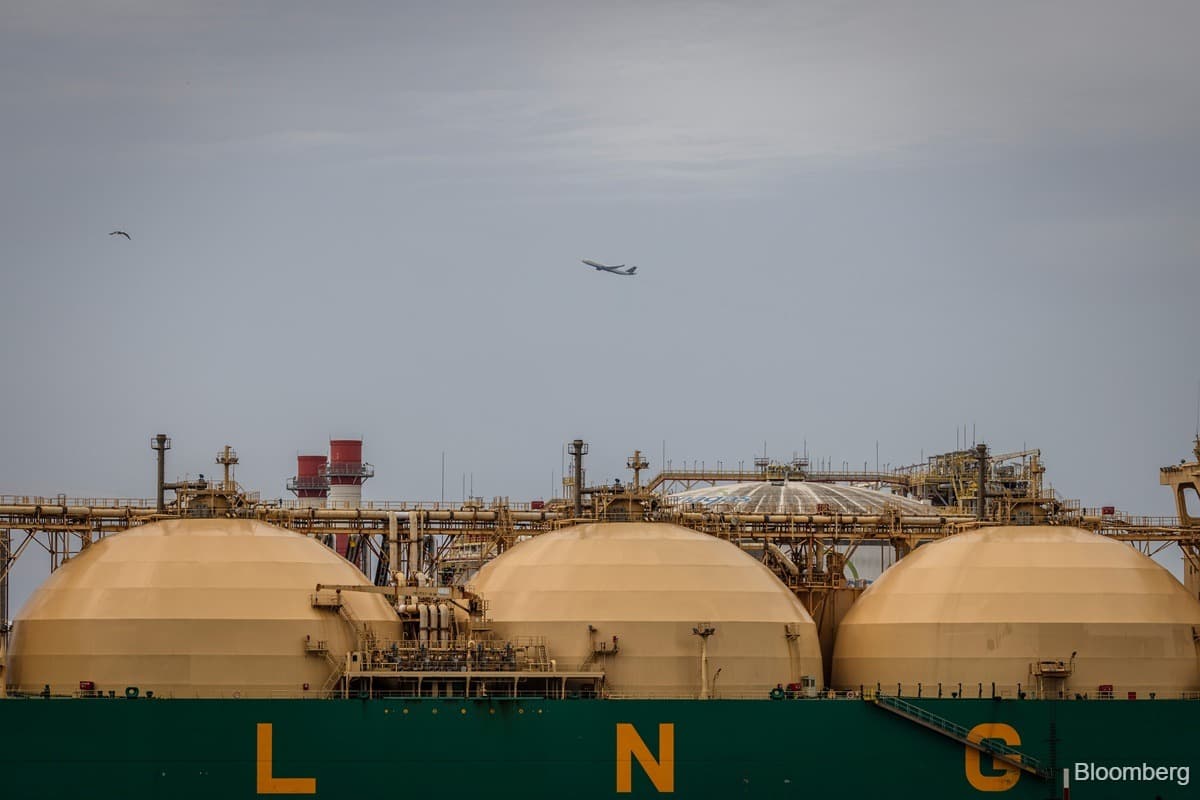
Even a recent rally in Dutch front-month futures, Europe’s gas benchmark, won’t be enough to divert sufficient liquefied natural gas from Asia in the event that Middle East supply disruptions extend into next year, analysts Samantha Dart and Laura Cyr wrote in a note. The futures rose to a five-month high above €65/MWh last week.
With the US-Iran war reducing shipments via the Strait of Hormuz to a trickle, heightened competition with Asia for limited LNG cargoes has created procurement challenges for European buyers. Inventory restocking of the fuel, which is widely used for electricity generation on the continent, is normally carried out in summer months but has lagged this year.
At current rates, Northwest European gas storage will end this month at 51% full, or 3.4 percentage points below Goldman’s base case, the analysts said in the note dated Sunday.
The conflict in the Middle East has severely constrained global energy flows just as Europe is under pressure to replenish gas inventories ahead of winter, when demand rises. With little prospect for a resolution in sight, US President Donald Trump has announced plans to inflict what he called an “economic D-Day” on Iran.
At current levels, prices “will not be enough for Europe to manage storage through winter,” the analysts wrote. “In a scenario where Middle East energy exports normalise only gradually through 2027, we estimate that December 2026 TTF would likely need to move above €100/MWh,” they said. That’s 110% above Goldman’s €50/MWh base case, they added.
One bright spot for Europe, however, may lie in the weather forecast. While Goldman’s latest outlook assumes average winter temperatures, a report published by Rystad Energy AS this month said that, if a “super” El Niño weather pattern adds at least 2C (3.6F) to the historical average, gas demand may be reduced, offsetting low inventories.
Uploaded by Liza Shireen Koshy