

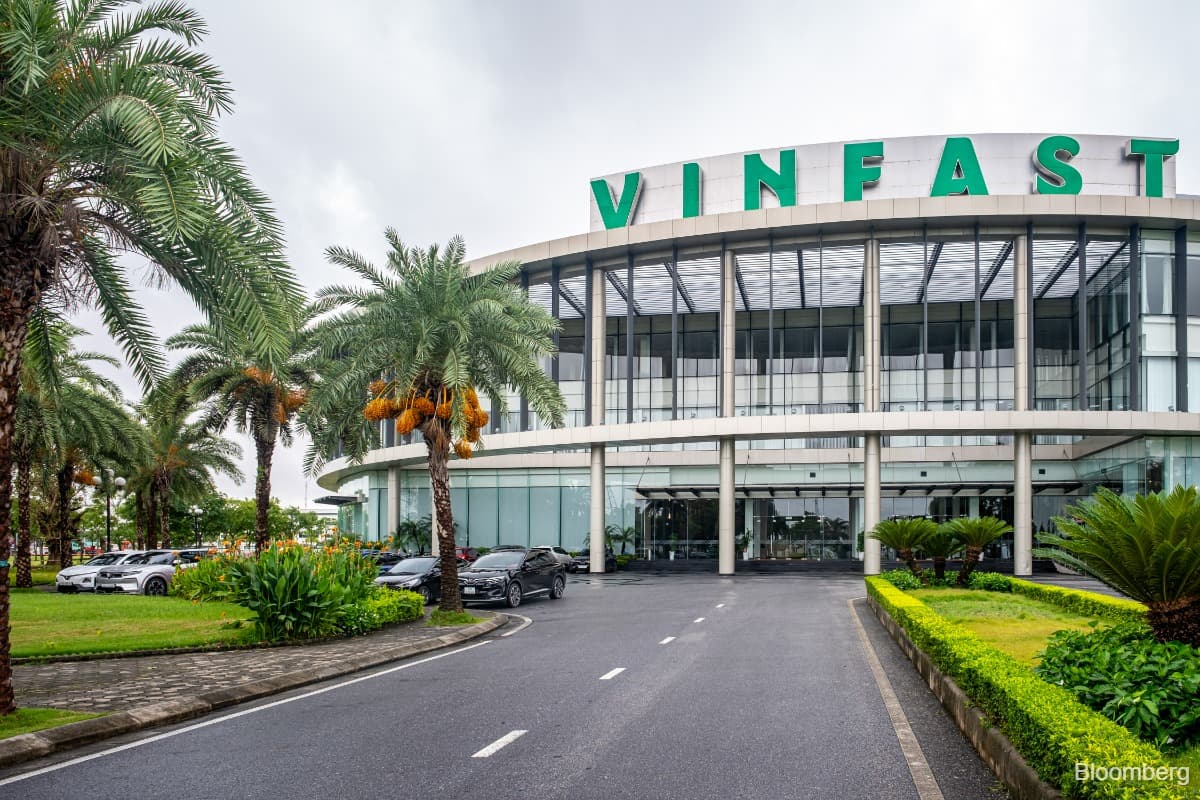
(Aug 22): Vingroup JSC is among over 100 Vietnamese companies added to FTSE Russell’s Global Equity Indices late Friday, marking a key step in the country’s long-awaited transition from frontier to secondary emerging market status.
Vingroup was joined by Hoa Phat Group JSC, Vietnam Prosperity Joint Stock Commercial Bank and Vinhomes JSC as new constituents of the closely watched benchmarks including the emerging-market gauge following a semi-annual review, according to a statement by the index provider. As many as six stocks were also added to the widely followed FTSE All-World Index, the statement showed.
“There could be some positive sentiment towards these names,” Ruchir Desai, a fund manager at Asia Frontier Capital in Hong Kong said ahead of the review.
The additions mark a milestone for Vietnam after years as a frontier market, putting its equities in the same emerging-market ranks as China, India and Indonesia. Investors will now be watching whether the upgrade can attract fresh foreign inflows after a prolonged stretch of overseas selling.
The upgrade is also the latest sign of Vietnam’s emergence as an investment destination in the past decade. The country is one of the fastest growing economies in the world, with newly empowered General Secretary To Lam racing to move the Southeast Asian nation away from low-cost manufacturing and toward tech-driven innovation.

Vingroup shares have already attracted investors positioning for potential index upgrade. The stock has rallied 21% this year, compared with a near 1% decline in the benchmark VN Index. Vingroup surged more than 700% in 2025 as expectations of a reclassification mounted.
FTSE Russell confirmed in April that Vietnam had met the criteria for secondary emerging market status. The transition will be implemented in four tranches starting Sept 21 through 2027. The index compiler previously estimated the upgrade may redirect as much as US$6 billion (RM24.24 billion) into the market.
Vietnam is also seeking a similar upgrade from index provider MSCI Inc, which in June pointed to low free-float levels at some firms and continued limits on foreign ownership as among hurdles for reclassifying Vietnamese stocks.
While Vietnam has advanced its capital market reform agenda, curbs on foreign ownership still affect more than 10% of the local equity market, MSCI said.
For now, analysts expect the potential inflows from FTSE’s decision to provide a counterweight to persistent foreign selling this year. Overseas investors have sold about US$3.5 billion of Vietnamese stocks in 2026 through Aug 21, according to Bloomberg-compiled data. That follows a record US$4.7 billion of net outflows last year.
Uploaded by Chng Shear Lane