


Aug 21): The head of CME Group Inc told the chairman of the Commodity Futures Trading Commission (CFTC) that the agency needed to do more to prevent manipulation on prediction markets as the trading startups grow into multibillion-dollar businesses.
The platforms, which the agency views as derivative exchanges under its jurisdiction, have soared in popularity over the past 18 months. Polymarket and Kalshi are the two largest players in the space and both say they are opposed to insider trading and actively police the markets.
Kalshi and Polymarket US are overseen by the CFTC while Polymarket’s main business operates offshore.
CME chief executive officer Terry Duffy pointed to a high-profile case accusing a US Army soldier of placing offshore Polymarket bets about the ouster of then-Venezuelan President Nicolás Maduro as an example. That soldier has pleaded not guilty to the charges. Duffy also referenced a CFTC investigation into a White House teleprompter operator who allegedly placed bets on Kalshi about President Donald Trump’s speeches.
In both situations, Polymarket and Kalshi said they referred the suspicious trades to authorities.
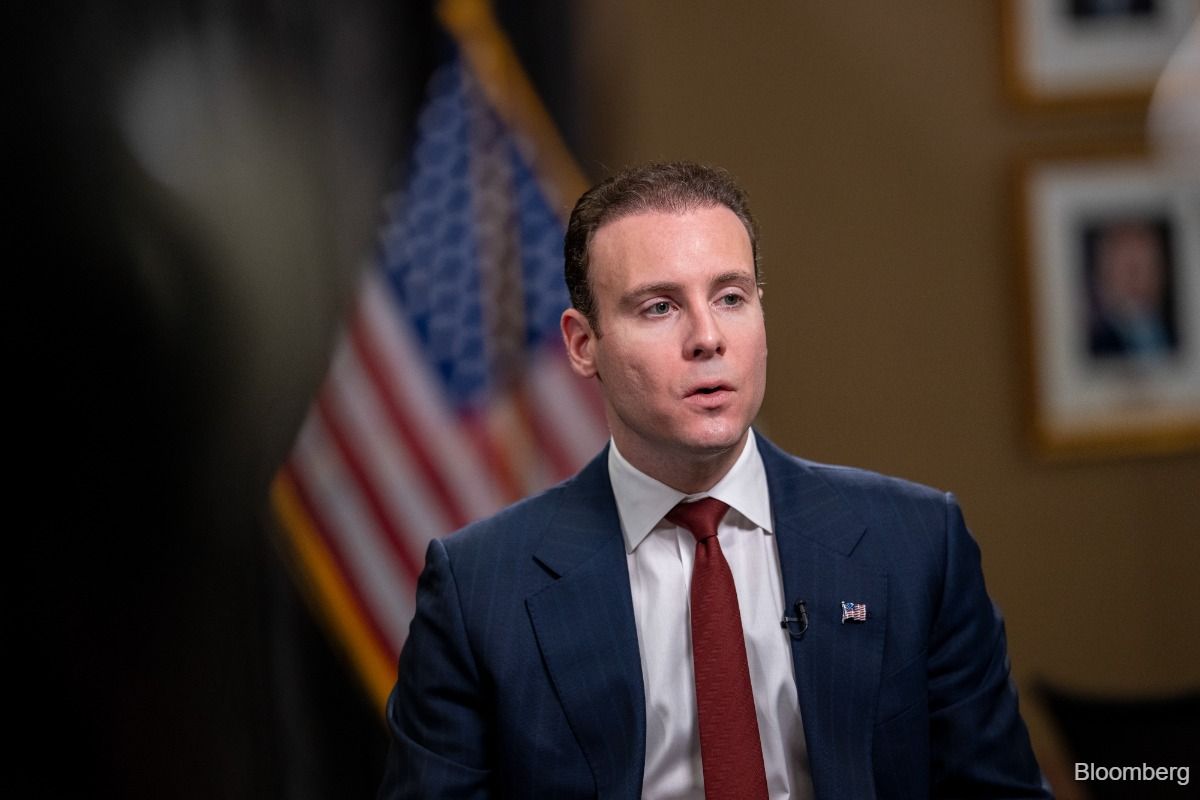
There are “definitely people that are manipulating these contracts. That is not good for our industry,” Duffy said on Thursday at a meeting with the CFTC and industry executives. “We’re not a bunch of carnival barkers at a circus.”
CFTC chairman Michael Selig shot back “that’s fake news” and dismissed the criticism.
“Fake news? OK, that’s a cute comment,” Duffy said.
The exchange at the inaugural meeting of the agency’s much-touted innovation committee showed the cracks in the relationship between the industry stalwart and the CFTC. It also showed tensions between traditional corners of the market and buzzy newcomers.
During the event, Kalshi co-founder Luana Lopes Lara asked the CME chief if his exchange had ever had any market manipulation issues. Duffy said his regulatory department had more employees than all of Kalshi.
“Maybe you should learn a bit about efficiency then,” Lopes Lara said.
Meanwhile, Polymarket founder Shayne Coplan said his firm’s trading was on a blockchain that could be observable at any time, providing the trading history of every participant and a “level of transparency that’s unprecedented,” Coplan said.
“No one I think is here saying, hey, ‘We don’t want to be held accountable for mistakes or missteps,’” he said.
A representative for Kalshi declined to comment further on the matter. Polymarket didn’t immediately respond to a request for comment.
CME’s main rival, Intercontinental Exchange Inc (ICE), has invested more than US$1.6 billion (RM6.47 billion) in Polymarket. ICE CEO Jeff Sprecher said earlier on Thursday that his company was looking at participating in Polymarket’s latest funding round.
CME is also at odds with the CFTC over perpetual futures, never-expiring, highly leveraged derivatives popular in digital asset markets. The company sued the regulator in June after Kalshi got signoff from the CFTC to offer so-called perps tied to crypto tokens.
Uploaded by Felyx Teoh