

MUMBAI (Aug 20): India's securities regulator on Wednesday banned two firms from the market for allegedly manipulating trades on a newly launched closing-price mechanism used to determine the final official price of a security at the end of a trading day.
The regulator said the alleged violations by the firms, Copthall Mauritius Investment and Mansi Share and Stock Broking, happened on Aug 13 when weekly derivatives contracts linked to the BSE Sensex expired.
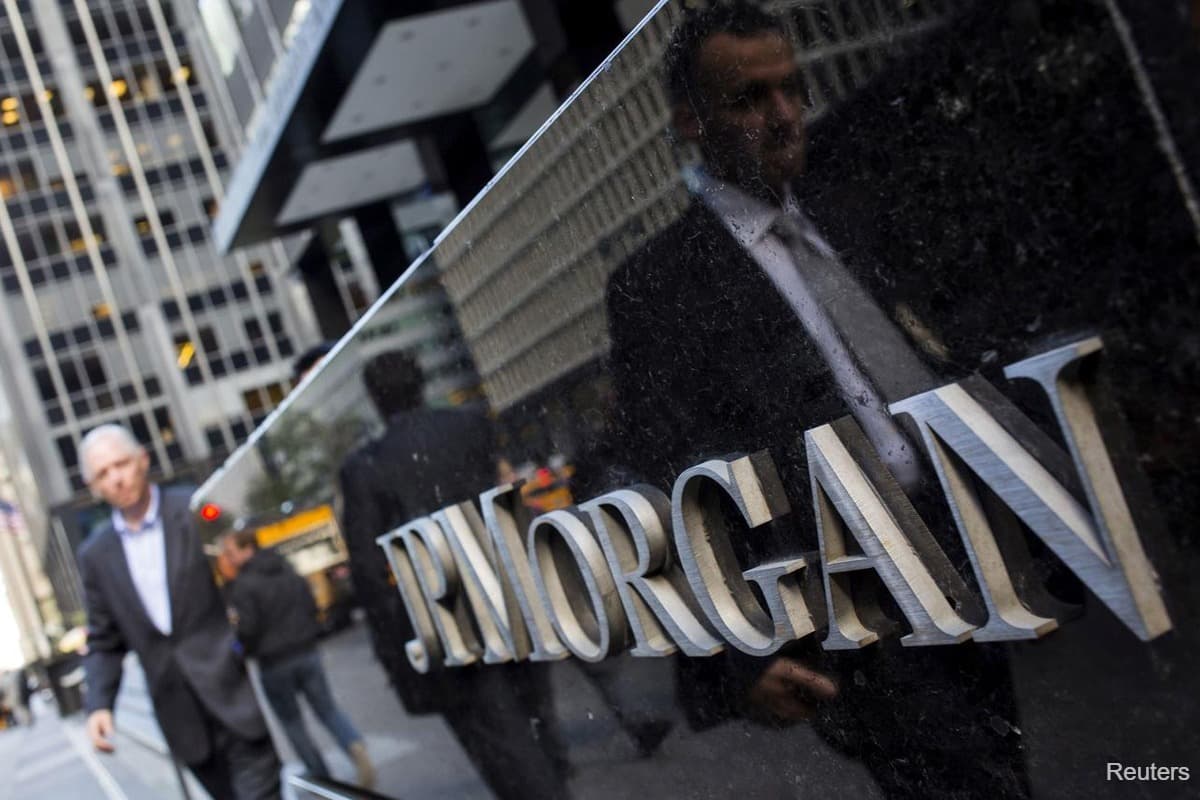
Public records show that Copthall is a Mauritius-based entity owned by JPMorgan Chase.
A JPMorgan spokesperson declined to comment, while Mansi Share was not immediately available for comments.
The Securities and Exchange Board of India (Sebi) ordered impounding a total of 36.8 million rupees (US$384,324 or RM1.6 million) from the banned firms, it said in an interim order.
In an interim order pending further investigation, Sebi said aggressive buy orders by Copthall and large sell orders by Mansi during the newly introduced closing auction session (CAS) for determining closing prices distorted the prices of Sensex constituent stocks.
The regulator said Mansi later cancelled much of its sell-side activity.
Sebi estimated wrongful gains of about 29.6 million rupees for Copthall and 7.2 million rupees for Mansi.
The CAS, which was introduced in India on Aug 3 to improve price discovery, is a 20-minute auction window that starts at 3.15pm IST after regular trading ends.
In its first two weeks, the new mechanism, introduced to align with global practices, has triggered sharp swings in the Nifty 50 and BSE Sensex benchmarks, as well as in options contracts linked to the indexes.
"Any manipulation or unfair practices employed to disturb the fair discovery of prices in the CAS has to be dealt with sternly by the regulator," Sebi said, adding that such conduct could "undermine the integrity of the CAS mechanism" and disrupt the orderly functioning of securities markets.
According to the regulator, the CAS is transparent, making it easier to catch such manipulation.
The regulator, in an order issued within six days of the alleged manipulation, added that it had so far not found any evidence that the two firms acted together.
Uploaded by Tham Yek Lee